 Japanese
  English
  Spanish
  French
  German
  Russian
  Korean
  Portuguese
 木工塗料には多くの種類があります。オイル仕上げ、溶剤系塗料、そして水性木工塗料です。水性木工塗料の塗布においては、一般的に「薄塗り」を複数回行うことが推奨されています。これは、水性塗料の乾燥速度が遅く、硬度の上昇も緩やかであるため、良好な施工結果を得ることが困難であるためです。しかし実際の生産・応用では、生産性向上のために水性木工塗料を一度で厚塗りすることが求められます。特に、窓枠や枠組など、板面への要求がそれほど高くない木材表面の塗装などにおいて、このような施工法はすでにかなり一般的になっています。.
この分野は、中圧混合ガススプレー塗装が特徴で、工程が単純で生産性が高くなっています。施工の特徴は、粘度が高く、一度の塗装で最大250μmの厚膜が得られることです。. この工程を使用する際、最も困難な問題の一つは消泡です。.
スプレー塗装時に発生する大量の気泡が膜の乾燥過程で除去できず、板面上に多数のピンホールが生じます。.
これが、水性木工塗料、特にワニス(その中でも、消泡を特に困難にする樹脂である70% – 90%を含む)が、家具などの他の専門分野へと拡大する上での大きな障壁の一つとなっています。窓やドアの塗装では、約3分の2がマットワニス塗装です。したがって、中圧ガス混合スプレー塗装における水性マットワニスの消泡性能を研究することは非常に重要です。.
XJY シリコーンズ — 塗料用途におけるシリコーン製造の第一選択肢

泡の発生方法
製造時の泡
 |
塗料の製造工程では、高速で原料を分散させて成分を均一に混合する必要があるため、大量の気泡が発生します。これらの気泡が保管後も除去できない場合、施工中の消泡に悪影響を及ぼすことは避けられません。. |
高樹脂分の水性木材ニスの製造過程では、粘度が高い場合に泡を除去することが難しく、施工や保管のニーズを満たすために粘度を低くしすぎることはできません。中圧エアミックススプレーガンを使用する場合、施工粘度は一般的に80KU以上です。粘度90KU(30°C)では、単純に脱泡問題を解決することは難しくありません。しかし、実際の製造過程では、施工時に立面での厚塗りダレの問題から、塗料のチキソトロピーを向上させる必要があります。チキソトロピーの向上により脱泡がより困難になります。したがって、塗料の製造中にはレオロジーと脱泡のバランスが必要です。.
一方、適切な製造工程を策定することで、塗料製造中に発生する泡を大幅に減らすこともできます。例えば、 艶消しニスの製造では、艶消し粉を最初にスラリーにして、艶消し粉を樹脂に分散させる際の高速分散により発生する大量の泡を避け、攪拌を開始する前に消泡性の良い消泡剤を適量添加し、高速分散前に塗料を適切な粘度に調整し、分散液面の振動時に多くの空気が塗料に入るのを避けるなど、これらすべてが塗料製造における気泡の発生を減らすことができます。.
施工時の泡
1. 基材
木材塗装の場合、木材表面自体に多くの毛細管があるため、下地はしばしば最初にシールされます。下地のシールが不十分だと、木目下地の毛細管内の空気が塗装施工中に逃げ出し、塗膜の湿潤膜に入り込んで泡を形成します。泡が破れないと、ピンホールやクレーターが形成されます。水性塗料の施工工程、特に全密閉塗装では、施工粘度が高いため、一度の吹き付けが厚くなり、施工中の塗膜の湿潤膜の脱泡がより困難になります。したがって、水性塗料の全密閉塗装では、一般的に1~2回の密閉プライマーで下地の毛細管内の空気をできるだけ追い出す必要があります。そうしないと、空気が後工程の厚い塗装に入ると、形成された泡を除去するのが困難になります。.


2. エアブラシ
Construction tools are also a factor in the formation of bubbles in the paint. In the construction of water-based furniture coatings, the primer and top coat of the middle coat are all applied by spraying. Generally speaking, the better the atomization, the less likely to generate air bubbles during construction. Therefore, the effect of spraying with an air cup gun is better than that of medium-pressure mixed air spraying. There are two main reasons: First, the atomizing air pressure is relatively large when spraying with an air cup gun, generally 0.6-0.8MPa, and the paint is fogged. After spraying, it reaches the surface of the construction object at a high speed, so that even a small amount of air bubbles can be broken when the paint liquid particles “hit” the surface of the object, while the atomizing air of the medium-pressure mixed air spray gun is only 0.1 ~ 0.2MPa, its The atomization effect is worse than that of the air gun, and the speed of the paint liquid particles reaching the surface of the object is also lower than that of the air gun, so the foam breaking during the construction process is poor. Second, the viscosity of air gun spraying is lower than that of the medium-pressure air-mixing spray gun, which also makes the atomization and foam breaking off the paint liquid during the construction of the air cup gun easier and the defoaming in the later surface drying process.

一方、施工中のスプレーガンのオイルとエア量の調整も、気泡の発生に影響を与える重要な要因です。. エアスプレーガンであれ中圧エアミックススプレーガンであれ、オイル量とエア量は柔軟に調整でき、その配分の比率は depends on the viscosity of the paint or the construction effect to be achieved by the object to be coated. For example, in the construction of semi-open coating, it is sometimes required to spray “dry” (small oil volume and large air volume), while in the fully closed coating, it is generally necessary to spray “wet” (a slightly larger oil volume and a large air volume). slightly smaller). Generally, I should be applied before construction by adjusting the amount of oil and gas to make the paint atomization reach the best state, so as to achieve the best construction effect.
水性木工塗料業界における消泡に影響する要因
1. 樹脂
In the defoaming experiment of water-based high-viscosity matte varnish, the resin is the most critical factor affecting the difficulty of defoaming. At present, there are three main types of waterborne wood coatings, waterborne polyurethane (PU), waterborne acrylic (AC), waterborne polyurethane and waterborne acrylic composite (PUA). Due to the different synthesis mechanisms, the defoaming difficulty of the three types of resins is also quite different.
水性PUとPUAの脱泡は比較的容易であり、水性ACは比較的困難です。これは、前者が合成工程で乳化剤を使用しないかほとんど使用しないためです。乳化剤自体が界面活性剤の一種であり、攪拌時に泡を形成しやすいからです。しかし、国内の水性家具塗料市場では、水性AC製品は価格、乾燥速度、耐水性において大きな利点があるため広く使用されています。特に、コアシェルポリマーエマルジョンは低い造膜温度を持ち、カーボンフットプリントを大幅に削減し、VOC含有量が低く、造膜後の硬度、弾力性、耐ブロッキング性に優れています。屋外木製品の表面塗装に広く使用されています。パック。.
ACタイプのエマルジョンでは、エマルジョン合成時の乳化剤の種類や合成方法が異なり、脱泡の難易度も異なります。例えばアニオン性エマルジョンシステムは粒子径が小さく、泡立ちやすいです。セッケンフリー重合とコアシェル重合を用いた水性ACエマルジョンは、従来の水性ACエマルジョンよりも脱泡性能が優れています。実験によると、コアシェル重合エマルジョンを使用すると、高粘度艶消しニスを調合する際の製造工程での脱泡の難しさを大幅に低減できます。.
2. 粘度
塗料の粘度が高いほど、塗料缶内での保管中であれ、塗布後の表面乾燥過程であれ、脱泡が難しくなります。 塗布において。実際の製造では、沈降やタレなどを防ぐために、塗料は常に一定の粘度範囲内に制御する必要があります。水性木材塗料の中圧エアミックススプレーでは、塗料の施工粘度を80KU以上に保つ必要があり、完成品の出荷粘度は多くの場合90KU以上であり、温度上昇や施工時の加水による粘度変化に対応するために粘度調整が必要です。塗料のレオロジーに応じて、塗料の粘度は一般的に90~120KU(25℃)に制御すべきです。
3. 消泡
高粘度の水性艶消しニスでは、樹脂含有量が高く粘度が高いため脱泡が困難です。製造では、消泡剤の使用量と種類が比較的多く、一般的には2~3種類の消泡剤を併用し、それぞれ高速分散の前、中、後に抑泡、脱泡、消泡の役割を果たします。消泡剤やその他の助剤を樹脂とよく混合するためには、高速で分散させる必要があり、これにより大量の泡が発生します。したがって、高速分散前に抑泡性の良い消泡剤を一定量添加することは非常に必要です。.
水性木材塗料に一般的に使用される消泡剤には、鉱物油系とシリコーン系の2種類があります。前者は低コストで消泡能力が弱く、主に85%のキャリアオイルと15%の疎水性粒子から構成されています。疎水性粒子は一般にフュームドシリカ、ステアリン酸金属塩などから構成されています。. この種の消泡剤は塗膜を黒くしやすく、低光沢パテやプライマーに使用できます。後者は主に強疎水性シリコーンエマルジョンとポリエーテル変性ポリジメチルシロキサンから構成され、光沢や透明性に影響を与えず、水性木材塗料の主要な消泡剤です。ただし、一部の鉱物油変性消泡剤がシリコーン消泡剤よりも効果的であるとの指摘もあります。したがって、消泡剤の選択は異なる樹脂や実験結果に基づくべきです。.
4. 増粘剤
水性高粘度艶消しニスの製造において、増粘剤の選択は非常に重要であり、製品の保管中または施工中の消泡能力の鍵となります。現在、一般的に使用される増粘剤には、会合型とアルカリ膨潤型の2種類があります。前者はより良いレベリング性とせん断粘度を提供し、後者は保管安定性と耐ダレ性を向上させます。製造において、前者は脱泡と消泡に有利ですが、後者は泡を安定化させやすいです。.

しかし、前者は流動性が良いため、施工時の耐汚染性が大幅に低下します。したがって、塗料の保管安定性を維持するために、施工時の耐流れダレ性と耐汚染性を向上させる必要があります。水性艶消しニスは、高粘度であっても特定のアルカリ膨潤型増粘剤と組み合わせることがあります。これら2種類の増粘剤には多くの種類があり、その組み合わせ方は樹脂が選定された後の実験結果に依存します。.
5. マット剤、および湿潤分散剤
In the water-based matte varnish sprayed by medium pressure air mixing, the matte powder is generally selected as a matting agent, rather than matting wax slurry. Because the medium-pressure air-mixing spraying does not have high requirements on the feel of the board surface, and at the same time, it should also consider defoaming, price, and system thickening reasons. The cost for using matting wax slurry (powder) is high, and it is easy to produce foam during dispersion, and it is difficult to eliminate.
In high-viscosity varnishes, the anti-settling of the matting powder should be ignored, but it’s important for the defoaming property. Generally, the hydrated surface is easier to defoam compared with the untreated surface, and less oil absorption is easier to deform than the larger oil absorption. Experiments show that the selection of different wetting and dispersing agents has a great influence on the defoam system. The better the dispersing agent wets the surface of the matting powder, the more conducive to the defoaming of the system.
6. 製造工程の設計と管理
In coating production, the design and control of the process are also very important. In the production of water-based coatings, in order to mix the resin and other components uniformly and generate fewer air bubbles, it is necessary to formulate a suitable production process and strictly control it.
For example: in the production of matte varnish, additives and matting powder are generally added to the resin and then dispersed with high speed. During the process, a large number of air bubbles will be generated. When the viscosity is low, bubbles will be eliminated after lasting for 24 hours, but when the viscosity is high and the system with strong changeable ability, it is difficult to eliminate these bubbles for a long time. At this time, the matting powder is made into a slurry and added, which can effectively reduce the generation of foam. On the other hand, when adding defoamer or other additives that are not easy to disperse, it is best to dilute them and add them slowly in a dispersed state to minimize the speed required for dispersion and reduce the time for uniform dispersion; some are easy to foam additives such as some wax slurry, etc., should be added in later low-speed dispersion process as much as possible.
Conclusion
 |
水性木材塗料の高粘度施工は、一度の施工厚を向上させ、生産効率を高め、施工中のダレや泡の可能性を低減できますが、施工中の脱泡の難しさを増し、施工後の板面効果に大きく影響し、水性木材塗料の他の用途分野への拡大に対する主な障壁となります。. |
水性高粘度ニスの脱泡の研究において、樹脂と増粘剤の選択が最も重要であり、次に消泡剤、艶消し粉などの添加剤の選択、最後に製造工程の最適化と粘度調整です。優れた製品は、良好な物理的・化学的耐性だけでなく、良好な施工性能も備えていなければなりません。この2つがうまく組み合わさって初めて、優れた塗装効果を発揮し、消費者の要求を満たすことができ、水性木材塗料の開発はより迅速になるでしょう。.
XJY–First choice シリコン supplier コーティング用
| XJY Silicones, one of China’s leading silicone MQ樹脂 メーカーは、シリコーン業界で30年以上の研究開発・製造経験と15以上の関連特許を有し、お客様のニーズに応じて製品をカスタマイズすることもできます。 coating 要件。. | 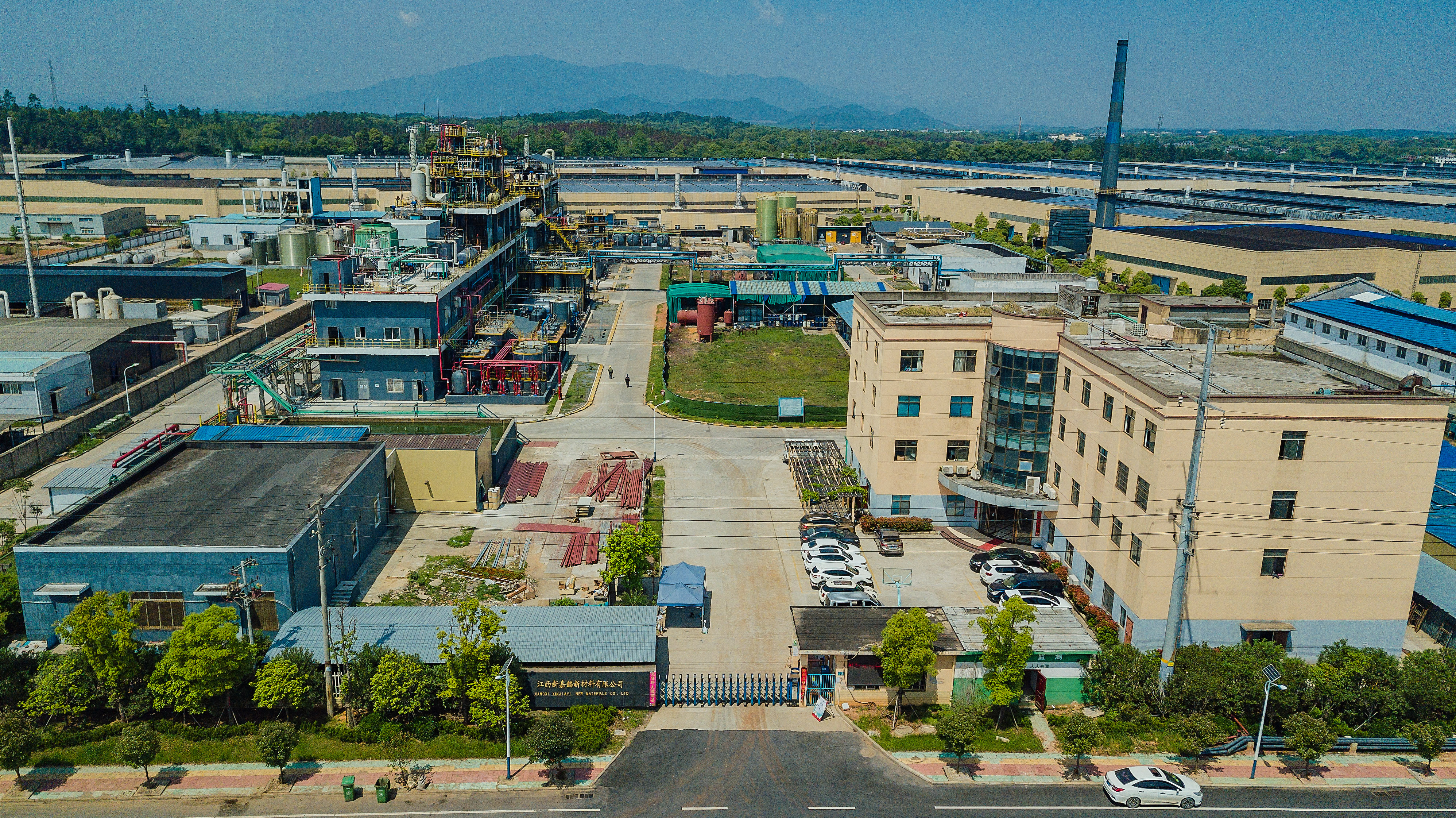 |
XJY-701 ポリメチルヒドロシロキサン: 塗料レベル調整剤
XJY-703 ヘプタメチルトリシロキサン: 塗料添加剤
XJY-707 ヒドリド末端ポリジメチルシロキサン: 塗料添加剤
XJY-8205 シリコーンMQ樹脂: 工業用粘着性、防水性
XJY-801 ポリメチルシルセスキオキサン: 潤滑性、耐傷性、分散性、疎水性の向上