 English
  Spanish
  French
  German
  Russian
  Japanese
  Korean
  Portuguese
 In cutting-edge industries such as advanced manufacturing, precision electronics, new energy vehicles, and healthcare, the physical and chemical boundaries of materials are constantly being broken. Engineers face unprecedented challenges today: How can a coating withstand 650°C without peeling? How can electronic protection films guarantee “zero residue” after rigorous high-temperature testing? How do we give liquid silicone rubber (LSR) extreme optical clarity and tear strength?
The answers to these complex questions often lie at the very foundation of the formulation—High-Performance Silicone Resins.
What is silicone resin used for? Generally, silicone resin is applied to significantly improve the performance, durability, and high-temperature resistance of diverse applications, including coatings, adhesives, and electronics.
What is the difference between silicone and silicone resin? While standard silicone is often a flexible, linear polymer like silicone rubber or oil, a silicone resin features a more rigid, highly cross-linked three-dimensional network structure. This structural difference allows resins to act as robust reinforcing materials rather than soft elastomers.
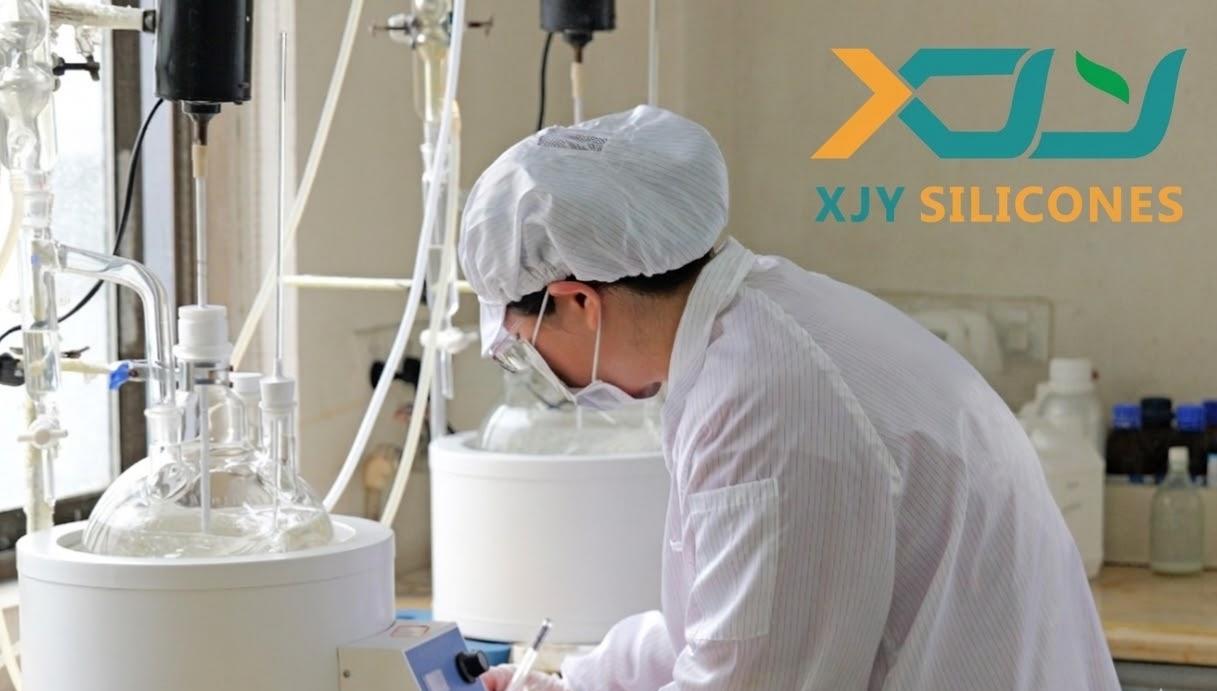
As a “National Specialized and Sophisticated ‘Little Giant’ Enterprise” deeply rooted in silicone materials since 2003, Jiangxi New Jiayi New Materials Co., Ltd. (XJY Silicones) has built a rare, full-matrix product line backed by fully automated, continuous silicone resin production capabilities. This article provides a comprehensive overview of XJY Silicones’ five core material matrices, serving as your ultimate selection guide from molecular-level design to mass production.
1. The Core Foundation: MQ Silicone Resin (Nanoscale 3D Reinforcement Expert)
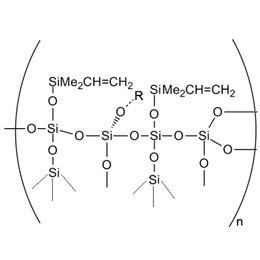
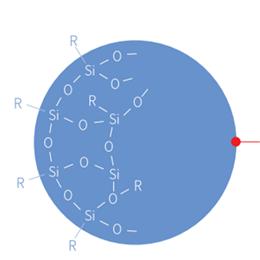
What is MQ silicone resin? And what is MQ material? The term “MQ” stands for a highly specialized organic-inorganic hybrid polymer. The unique three-dimensional structure of MQ silicone resins, composed of monofunctional (M) and tetrafunctional (Q) siloxane units, contributes to their excellent mechanical properties and durability.
The M unit caps the molecule, while the rigid molecular chains of the Q unit create the core structure. The properties and applications of MQ silicone resins vary significantly based on the molar ratio of M to Q units, which affects their morphology and physical characteristics such as density and viscosity. By adjusting this ratio, manufacturers can tailor the hardness and surface adhesion. The presence of non reactive organic groups or residual hydroxyl groups further dictates how the product behaves in a given system.
MQ resins are rarely used alone; they are typically added to other silicone systems to dramatically enhance their performance.
Preparation and Production MQ silicone resin production methods can be categorized into the sodium silicate method and the orthosilicate method, each with distinct characteristics and advantages. The sodium silicate method is characterized by a wide source of raw materials, low cost, and a simple production process, while the orthosilicate method offers high product yield and easy control of molecular weight. During the preparation and production of MQ silicone resin, trace additives such as catalysts may be added to enhance performance and optimize the production process, although they remain in very small quantities after the reaction. Sodium silicate remains one of the main raw materials used globally for economical scale-up.
Types of MQ Resins MQ silicone resins can be categorized into several types, including methyl MQ silicone resin, methyl phenyl MQ silicone resin, methyl vinyl MQ silicone resin, and methyl hydrogen-containing MQ silicone resin. The introduction of different organic groups in MQ silicone resins, such as phenyl or vinyl groups, can enhance specific properties like heat resistance, hydrophobicity, and compatibility with other materials.
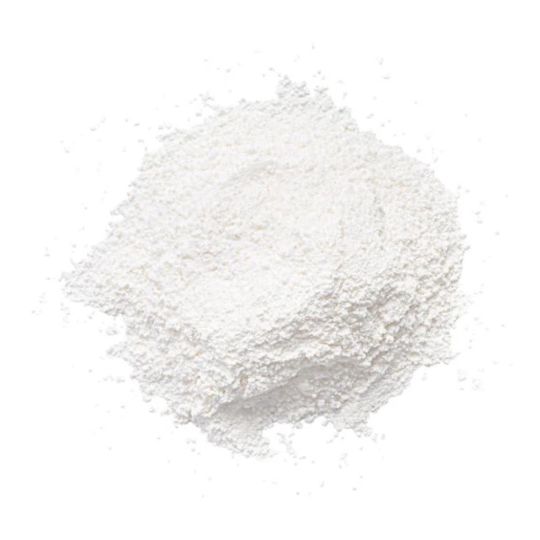
By precisely controlling these units and supplying them as either a solid powder or dissolved in a solvent, XJY Silicones provides highly customized resins for niche markets:
- Methyl MQ Silicone Resin (XJY-8205 Powder / 8205M Solution): Features excellent film-forming and anti-transfer properties. MQ silicone resins are known for their strong hydrophobicity and water repellency, allowing them to form films upon curing, which enhances their application in coatings and adhesives. Furthermore, MQ silicone resin is widely used in personal care products, such as skin care formulations and cosmetics, where it enhances texture and provides water repellency. The film forms a durable, waterproof, and breathable protective layer that is resistant to sweat and sebum, making it a perfect addition to sunscreen formulations to protect the skin from water wash-off.
- Vinyl MQ Resin (XJY-8206 Powder / 8206N Solution): Offers multiple gradients of vinyl content ranging from 0.3% to 4.5%. Designed specifically for addition-cure Liquid Silicone Rubber (LSR), LED encapsulation, and Optical Clear Adhesives (OCA). MQ silicone resin serves as a reinforcing filler in liquid silicone rubber, significantly improving its mechanical strength and transparency, making it suitable for high-end applications like medical devices and aerospace components. High-purity versions of silicone MQ resin offer over 98% light transmittance, making them ideal for high-end optical components. It gives the silicone rubber excellent mechanical properties, including high tear strength.
- Hydrogen MQ Resin (XJY-8207 Series): Acts as an efficient three-dimensional crosslinker, widely used in addition-cure liquid silicones and release coating networks.
- Spherical Silicone Resin (XJY-801 Polymethylsilsesquioxane): Provides precise particle size control from 1-20μm. It is an ideal light diffusing agent for PC/PMMA/LED covers and significantly improves the scratch resistance and slip properties of specialty coatings and films.
2. Crossing Temperature Extremes: Silicone Pressure Sensitive Adhesives (PSA)
When bonding in extreme temperatures or dealing with Low Surface Energy (LSE) substrates, traditional acrylic and rubber adhesives often fail. XJY Silicones’ PSAs completely eliminate residue and detachment issues thanks to their exceptional weatherability, electrical insulation, and broad operating temperature range. At the core of these adhesives, silicone MQ resin acts as a primary reinforcing and tackifying agent in silicone pressure-sensitive adhesives (PSAs).
- Platinum Cured System (XJY-302 Protection Film Series): Represents the highest standard for modern electronic protection films. The platinum-cured system produces no byproducts, offers ultra-low migration, and possesses excellent aging stability. The XJY-302 series covers a full gradient of peel forces in our product table, from 0-1g/inch (ultra-low peel, e.g., 302-2) to 800-1100g/inch (high peel, e.g., 302-5). Formulators can easily blend high and low-tack PSAs to achieve precise adhesion control.
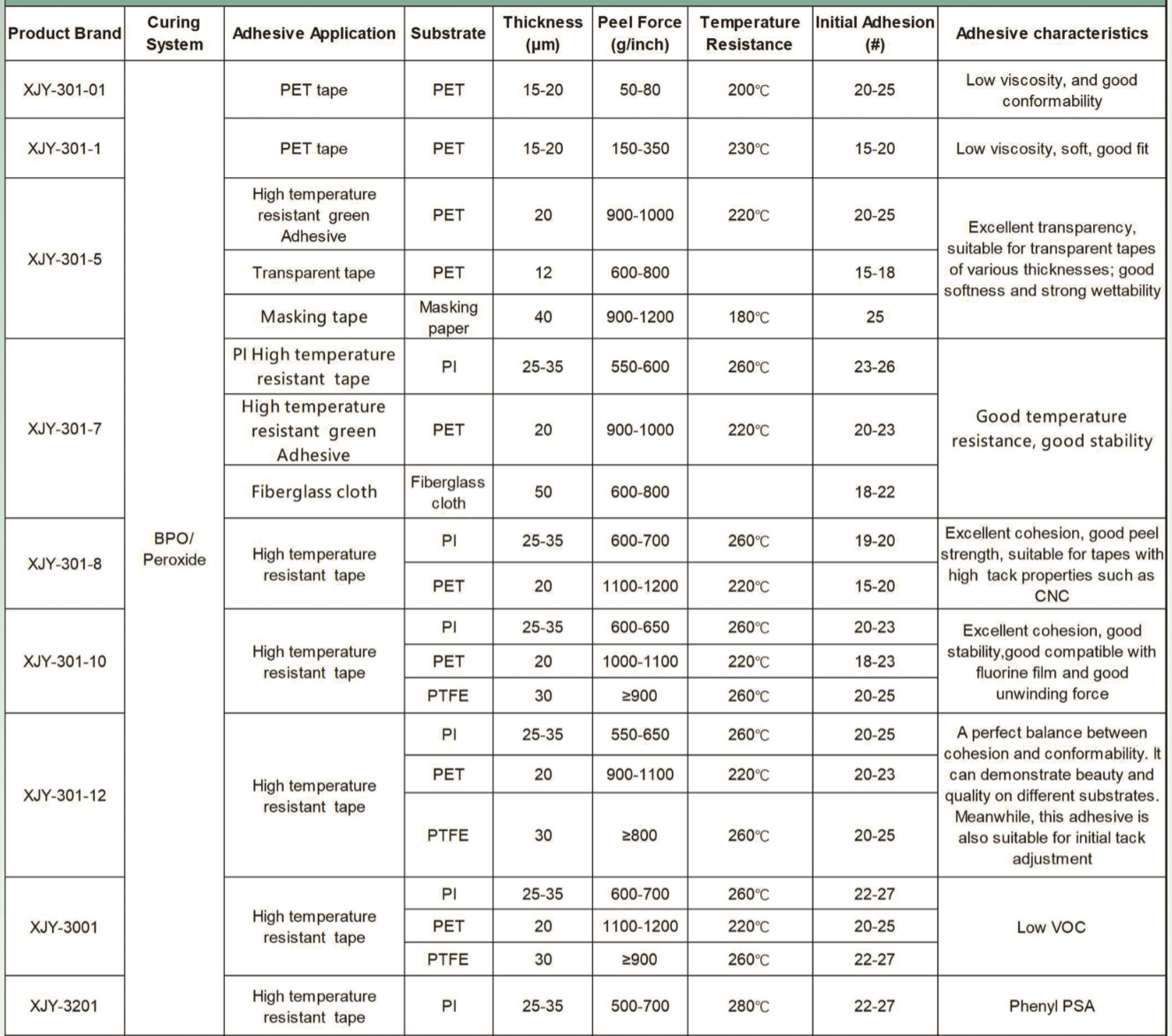
- Peroxide (BPO) Cured System (XJY-301 Series): Known for high temperature resistance and strong holding power, making it the perfect match for Polyimide (PI) high-temperature masking tapes, PET green tapes, mica tapes, and specialty industrial splicing tapes.
- High-Efficiency Additives: We supply XJY-7130/7101 fast crosslinkers and XJY-4200B strong anchorage agents to ensure a perfect bite between the adhesive layer and the substrate, preventing delamination.
3. Challenging the 650°C Limit: High-Temperature Coating Resins & Eco-Friendly Intermediates
Whether for exhaust pipes, industrial chimneys, or heat-resistant grills, extremely high-temperature environments demand stringent color retention and corrosion resistance. MQ silicone resins exhibit high-temperature resistance, capable of withstanding temperatures from -60℃ to 300℃, making them suitable for various high-performance applications. Furthermore, XJY Silicones’ methyl phenyl silicone resins break the performance ceiling of traditional coatings through the synergistic effect of siloxane bonds and phenyl groups. In the electronics industry, methyl phenyl MQ resin is utilized for LED packaging, providing high transparency and improved thermal stability, which enhances the lifespan of the devices.
Beyond electronics and industrial metal coatings, in construction, MQ silicone resin is used in waterproofing applications, where it can form a protective layer that enhances the durability of concrete against freeze-thaw cycles.
- Solid Flake Resins (XJY-8010A / 8010B / 8250A): 100% solids methyl phenyl/methyl silicone resins designed exclusively for modifying high-temperature powder coatings.
- Solvent-Based High-Temp Resins (XJY-8330A / 8650A, etc.): Classic methyl phenyl solution resins. From formulating 250°C black enamel to 650°C aluminum silver paint, they exhibit unparalleled adhesion and thermal stability.
- Waterborne & Solvent-Free Eco-Systems: In response to strict global environmental regulations, XJY Silicones has launched XJY-8331W / 8532W / 8501W waterborne silicone resins and XJY-8066 / 8001M solvent-free reactive diluents, empowering downstream enterprises to transition to low-VOC or even zero-VOC green production.

4. The “Blood-Making Hub” of Silicones: Hydrogen Silicone Oils & Modified Intermediates
Abundant silicon-hydrogen bonds (Si-H) are the foundation for various addition reactions and graft modifications. XJY Silicones offers a robust library of specialty intermediates:
- Hydrogen Silicone Oils (XJY-701 / 702): Available in various standard hydrogen contents from 0.18% to 1.62%.
- Specialty Terminated/Lateral Hydrogen Oils: Includes Heptamethyltrisiloxane (XJY-703), hydride double-end-capped (XJY-706), hydride-terminated PDMS (XJY-707), and T-type crosslinkers (XJY-711). These high-purity intermediates are the core puzzle pieces for synthesizing agricultural penetrants, polyether-modified silicone oils, advanced fabric waterproofing agents, and specialty block copolymers.
5. Breaking Interfacial Barriers: Industrial Release & Defoaming Additives
To solve interfacial challenges in polyurethane molding, coating manufacturing, and chemical separation processes, XJY Silicones has developed a professional-grade additive series that acts as a highly effective release agent and surface modifier:
- Semi-Permanent / Permanent Release Resin (XJY-RA-09/03): Exhibits long-lasting film adhesion at high temperatures. Highly suitable for polyurethane (PU) shoe sole demolding, automotive bumpers and dashboards (microcellular PU parts), and metal die-casting.
- High-Efficiency Defoaming & Waterproofing Series: Includes solid resins like XJY-6010/6011 and MDT liquid silicone oils like XJY-6310. Utilizing special spatial siloxane structures, they deliver rapid foam breaking, long-lasting foam suppression, and outstanding water-repellent properties.
Conclusion: Why Choose XJY Silicones?
In the second half of the material science revolution, “standardized raw materials” are no longer enough to build technological moats. True competitive advantage stems from molecular-level customization capabilities and ultimate batch-to-batch consistency.
As a professional Custom Silicone Resin Manufacturer, Jiangxi New Jiayi (XJY Silicones) not only provides hundreds of standardized specifications but also leverages its deep R&D heritage to offer global customers system-level services—from lab-scale custom synthesis to 100-ton mass production.

_2-1.jpg)