
 English
  Spanish
  French
  German
  Russian
  Japanese
  Korean
  Portuguese
 Other Silicone products

For more information, please contact us.
Optical materials
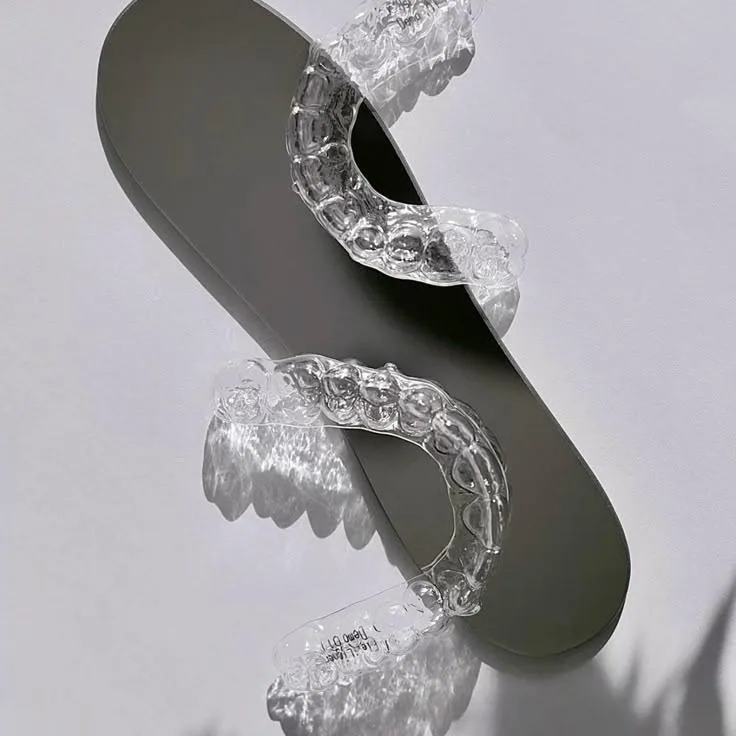
Methyl vinyl silicone resin also holds significant application potential in the field of dental materials, primarily used in oral-related material systems based on VMQ silicone rubber or addition-curing silicone rubber.
Benefiting from its controllable vinyl structure, this type of silicone resin facilitates the formation of a uniform and stable crosslinked network, maintaining good dimensional stability and physical properties even in the humid oral environment. Through optimized formulation design, these materials can achieve excellent elastic recovery, tear resistance, and surface smoothness, making them suitable for dental applications demanding high precision molding, operability, and material stability. Additionally, methyl vinyl silicone resins offer good transparency and aging resistance, exhibiting minimal yellowing or performance degradation during prolonged use and storage. This supports the aesthetic stability and reliable performance of dental materials.
VMQ Silicone Rubber and Silicone Elastomer Systems
Methyl vinyl silicone resin is widely used in VMQ silicone rubber and silicone elastomer systems, serving both as a structural resin and as a functional modification and reinforcement component. In high-transparency, high-hardness VMQ silicone rubbers, the vinyl groups in its molecular structure provide stable, controllable crosslinking sites for addition-curing systems. This facilitates the formation of a dense, uniform crosslinked network, thereby enhancing the rubber’s hardness, resilience, and structural stability. Simultaneously, this resin can function as an organic reinforcing filler. When synergized with inorganic fillers like silica, it enhances tensile strength and tear resistance while improving processing flow and molding stability. It is suitable for various processing techniques, including compression molding and injection molding. In low-hardness VMQ silicone elastomer systems, balancing soft tactile feel with mechanical properties is achieved by adjusting vinyl content and molecular structure. This enables the production of low-modulus, high-resilience silicone elastomers suitable for flexible seals, shock absorption, and silicone products demanding superior tactile feel and durability.

Silicone Gel
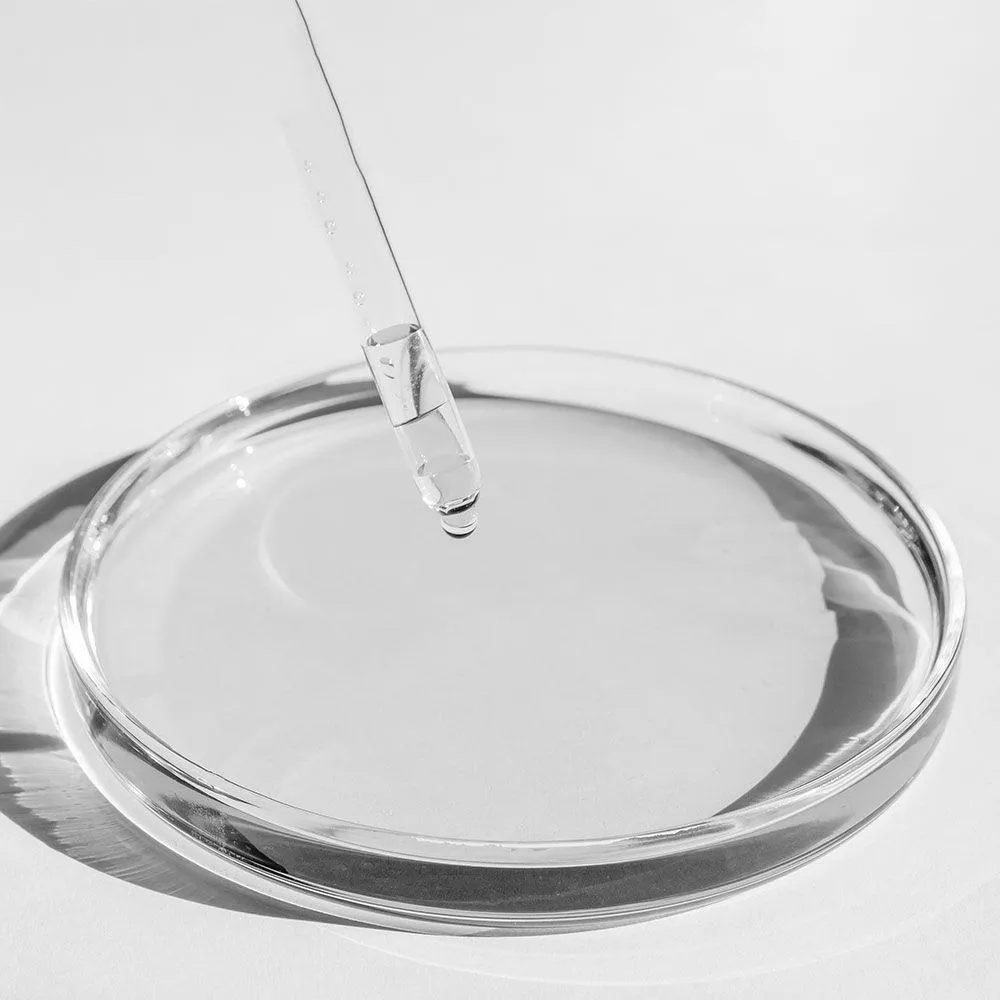
Methacrylate silicone resin is also a key component in silicone gel systems, serving to regulate gel network structure and crosslinking density. Through optimized formulation design, silicone gel materials with high transparency, low internal stress, and controllable flexibility can be achieved. These gels are commonly employed for cushioning, protection, and encapsulation of electronic components. They also hold promising applications in optical protection and specialized flexible materials, particularly excelling in scenarios demanding high transparency and pliability.
Optical materials
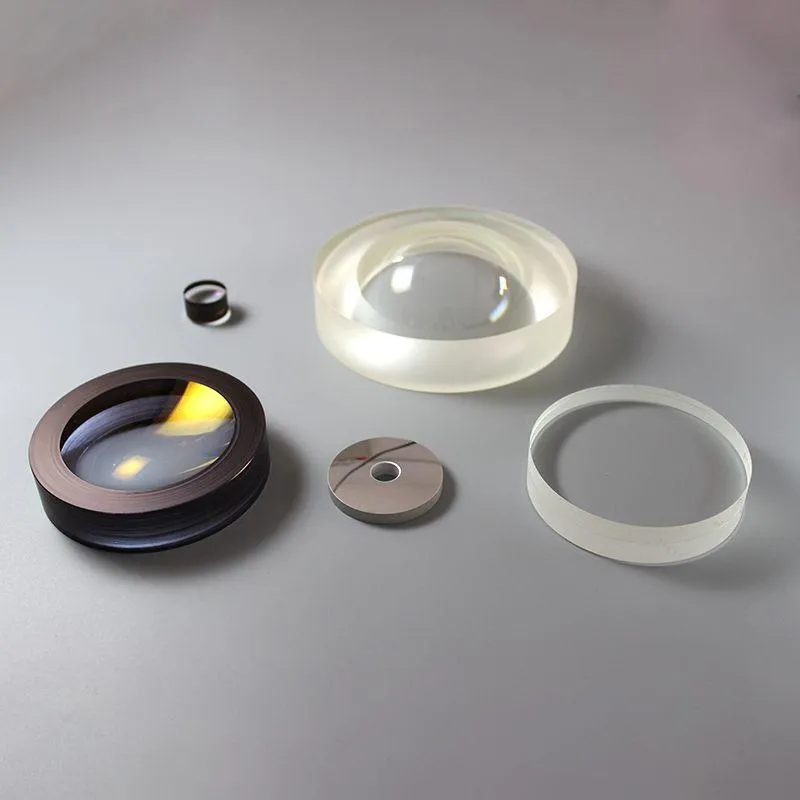
Leveraging the uniform crosslinking properties imparted by its vinyl structure, methyl vinyl silicone resin can be used to produce silicone materials that combine high transparency with excellent tear resistance. Compared to traditional systems, these materials significantly enhance mechanical strength and durability while maintaining optical performance. They are suitable for silicone rubber products and industrial applications demanding both high transparency and structural reliability.
LED and Electronic Packaging Applications
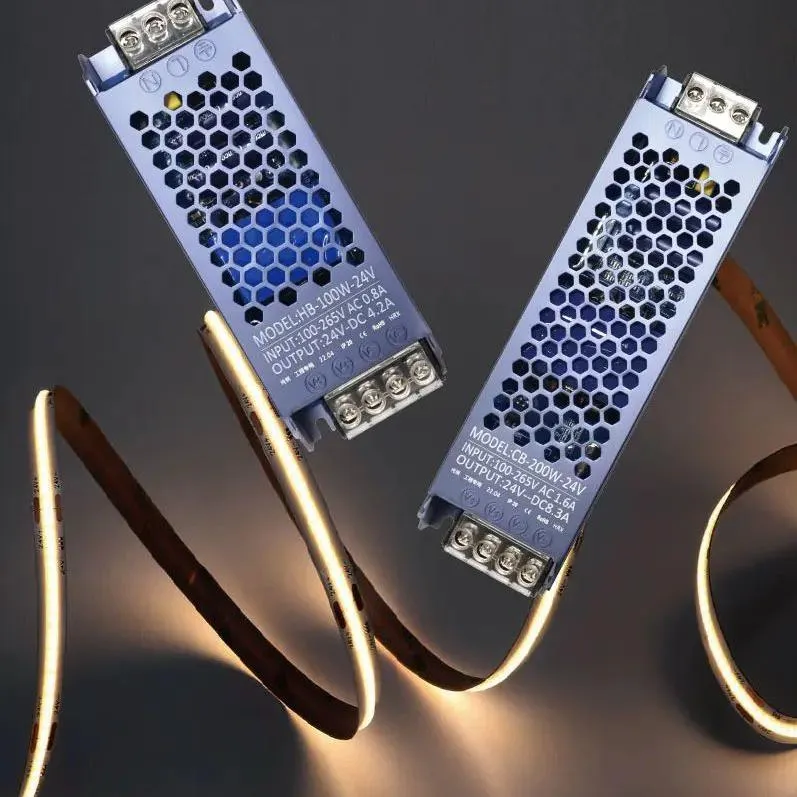
In the field of LED packaging and electronic materials, methyl vinyl silicone resin is commonly used as the base resin or key modifying component for encapsulation silicones. Its excellent transparency, heat resistance, and low tendency to yellow make it highly suitable for LED chip encapsulation, optical lenses, and protective materials for electronic components. Under prolonged exposure to high temperatures and light, these silicone resin systems maintain stable optical properties and structural integrity, positioning them as promising functional materials for electronic packaging applications.
Why choose MQ RESIN?
Choosing MQ resin means combining performance, stability and formulation freedom in one material. MQ silicone resin offers high heat and UV resistance, excellent film-forming, and very low surface energy, so it improves adhesion, cohesion and durability on many substrates. MQ resin is also easy to formulate with silicones, oils and solvents, allowing low dosage with strong effects—an efficient way to upgrade existing products or design new high-performance systems

MQ VS Polyurethane/Epoxy
| Aspect | MQ Silicone Resin | Polyurethane / Epoxy |
| Heat resistance | Excellent, stable >200 °C | Good–very good, may yellow or embrittle |
| Weathering / UV | Outstanding, minimal chalking | Often needs UV stabilizers |
| Film character | Thin, flexible, high gloss, low surface energy | Thicker, harder, higher surface energy |
| Adhesion role | Boosts adhesion / cohesion at low dosage | Main structural binder, higher loading |
| Typical use | Additive for durability, release, long-wear films | Base resin for structural and protective coats |