silicone waterproof

Home
silicone waterproof

Silicone Waterproofing Solutions

Multi-component synergy to build a long-lasting protective barrier

XJY Silicones’s Waterproofing product Series is built on the molecular-level synergistic effects of MQ silicone resin and polysiloxane (PDMS). With its unique cage-like cross-linked structure, MQ silicone resin serves as the “rigid skeleton” of the protective system, providing exceptional mechanical strength and structural support. Meanwhile, PDMS, with its excellent flexibility and spreadability, acts as the system’s “flexible link,” ensuring comprehensive coverage of the substrate surface. When combined, these two components rapidly form a dense, continuous hydrophobic nano-protective film on the substrate surface, fundamentally delivering multiple protective effects—including waterproofing, stain resistance, and weather resistance—to meet a wide range of protective needs, from everyday consumer applications to industrial-grade requirements.

XJY-711

Hydrogen terminated methylhydrogensiloxane dimethylsiloxane copolymer

XJY-707

Hydride terminated Polydimethylsiloxane

XJY-706

1,1,3,3-Tetramethyldisiloxane(TMDSO)

XJY-702

Methylhydrosiloxane, Dimethylsiloxane Copolymer

XJY-701

Polymethylhydrosiloxane

XJY-8205 MQ Resin Powder

Silicone Methyl MQ Resin

For more information, please contact us.

Product Selection Guide

To address different application scenarios, performance priorities, and budget constraints, we have compiled a comprehensive product selection guide covering three major categories—oil-based compounds, pure powders, and eco-friendly emulsions—to precisely meet your specific needs.

1. Oil-Based Composites and Pure Powder Solutions

for High Solid Content, Strong Penetration, High Adaptability
Heavy-Duty Oil-Based: XJY-9800

A high-end mixture precisely compounded with MQ silicone resin and PDMS. It features high solid content and excellent film-forming density. The hydrophobic protection lifespan lasts for several years, with weather resistance, acid/alkali resistance, and abrasion resistance all at industry-leading levels.

Applicable Scenarios:

Professional outdoor gear (hardshell jackets, tents, climbing ropes), high-end industrial fabrics (conveyor belts, waterproofing membranes), OEM automotive seals, and protective casings for precision electronic components where extreme protection performance is required.

Core Advantages:

Maximized protection. Performance does not degrade under high temperature, high humidity, and strong UV environments, making it the preferred solution for high-end waterproofing applications.

Economical Oil-Based: XJY-9100

A compounded system in the same series, retaining the core MQ/PDMS synergistic structure. It meets mainstream demands for basic water and stain resistance while offering significant cost advantages and outstanding cost-effectiveness.


Applicable Scenarios:

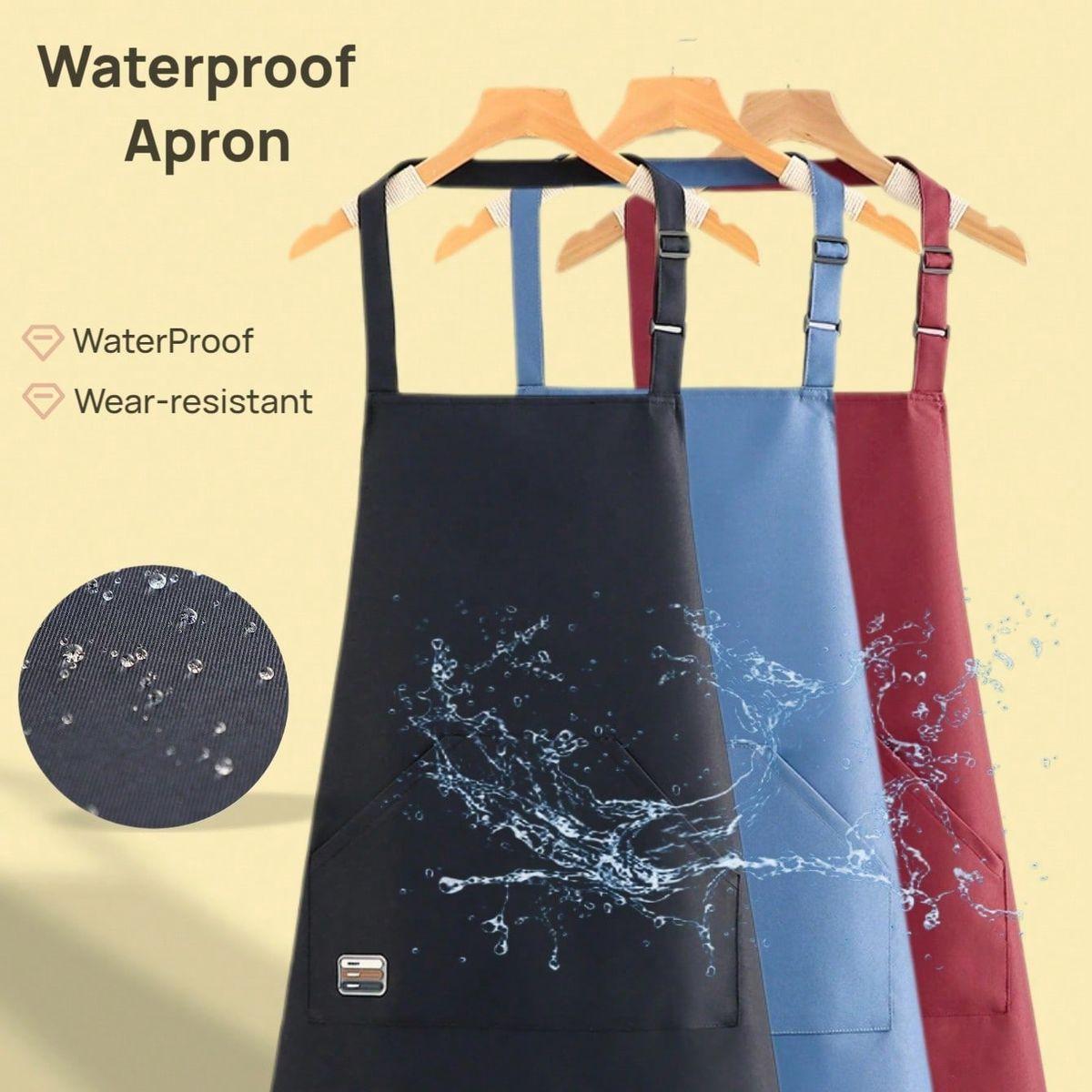
General outdoor clothing, waterproof home fabrics (waterproof aprons, outdoor cushions), and other scenarios that are cost-sensitive and require moderate protection.

Core Advantages:

Achieves stable protection at a lower cost, balancing performance and economy, suitable for large-scale mass production scenarios.

Pure Resin Powder: XJY-8570

High-purity MQ silicone resin solid powder with no solvent residue. It can be flexibly dissolved according to customer needs to achieve customized compounding.

Applicable Scenarios:

Waterproof fabrics, automotive detailing, waterproof waxes, and other scenarios requiring flexible system adjustments.

Core Advantages:

High purity and strong compatibility. It can be freely combined with different PDMS models and solvent types to accurately customize exclusive protection formulas.

2. Eco-Friendly Emulsion Solutions

(Water-Based Convenience, Multi-Scenario Adaptability, Environmental Compliance)
High Wash Resistance Type: XJY-1229-1

Core Parameters Reference: Solid content 30%-35%, PDMS content 25%-30%. Storage stability (6 months at room temperature) shows no separation or precipitation. After 50 washes, the waterproof rating remains above 80, with a contact angle ≥130°.

Core Features:

Specifically optimized for wash resistance. The water-based system has no organic solvent volatilization, making it eco-friendly and safe. The hydrophobic effect does not significantly degrade after multiple washes.

Applicable Scenarios:

Outdoor sportswear (quick-dry clothes, ski suits), children’s waterproof clothing, household waterproof textiles (waterproof mattress protectors, waterproof curtains), and other textiles requiring frequent washing.

Ultimate Hand-Feel Type: XJY-0815-2

Core Parameters Reference: Solid content 30%-35%, PDMS content 20%-25%. Good storage stability (6 months at room temperature). Polyester waterproofing score >90%. Treated fabrics see a >30% improvement in softness, with a color change rating ≤1.

Core Features:

While ensuring excellent waterproof performance, it heavily optimizes the fabric’s hand-feel, imparting a delicate, smooth, and skin-friendly touch without affecting the fabric’s original color and breathability.

Applicable Scenarios:

High-end casual wear, waterproof coatings for underwear, lightweight and breathable fabrics, high-end home textile fabrics, and other scenarios that balance waterproofing with wearing experience.

Customized Services & Cross-Industry Application

1. Comprehensive Customized Services

Centered around the emulsion system, we can achieve precise customization of four core indicators based on actual customer needs, fully matching different working conditions:

Solid Content Adjustment: Can be flexibly adjusted within the 25%-40% range to meet the solid content requirements of different padding, spraying, and coating processes.
PDMS Content Optimization: Adjust the PDMS proportion according to waterproofing strength requirements to achieve a balance between “strong waterproofing” and “high breathability”.
Performance Customization & Balance: Targeted enhancement of wash resistance, hand-feel delicacy, and storage stability, or balanced deployment of multiple performances according to customer needs.
Ionicity Adaptation: Supports the customization of different ionic types such as non-ionic and weakly cationic, adapting to the compatibility requirements of various textile auxiliary systems.

2. Potential Cross-Industry Application Expansion

In addition to the core textile field, this series of silicone waterproofing products, with their excellent performance and eco-friendly characteristics, possesses broad potential for cross-industry applications. The following are two major expansion directions:

Automotive Beauty and Care:
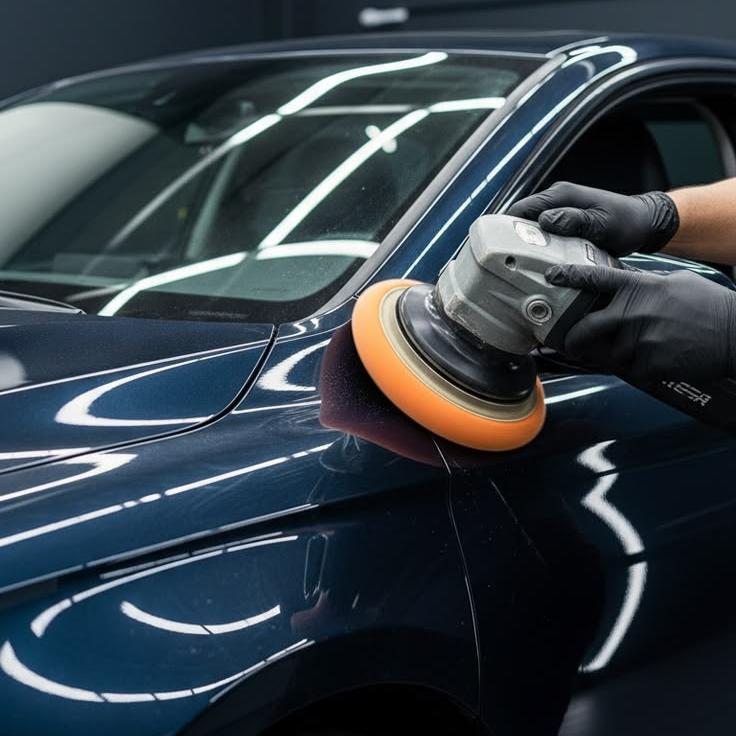
Can serve as the core raw material for automotive waterproof waxes, paint coating agents, and interior waterproof protective agents. When diluted and sprayed on the car paint surface, it quickly forms a hydrophobic protective film, allowing rain to slide off quickly, reducing stain adhesion, and simultaneously enhancing the gloss and wear resistance of the paint. When used for car interiors (seats, floor mats), it can enhance the waterproof and anti-fouling capabilities, extend the service life of the interior, and meet the personalized care needs of the automotive aftermarket.

Fluorine-Free Alternative Upgrades:
As global environmental policies become stricter, traditional organic fluorine waterproofing agents (PFCs) are gradually being restricted due to their environmental persistence. This series of fluorine-free silicone waterproofing emulsions, with its excellent waterproof performance and eco-friendly attributes, has become an ideal alternative to organic fluorine waterproofing agents. It can be widely used in textiles, packaging, building materials, and other fields, helping enterprises achieve green supply chain transformation while complying with international environmental standards and expanding overseas market compliance.

Recommendations and Precautions

Process Operation Guidelines

Textile Applications: When using the padding process, it is recommended to dilute the emulsion to a 5%-10% concentration and use it in combination with 10-20g/L of a crosslinking agent. Curing at a high temperature of 160℃ for 1-2 minutes will maximize the adhesion and durability of the waterproof film. For the spraying process, control the spraying uniformity to ensure there are no missed areas on the substrate surface.

Automotive Care Applications: Must be compounded with other materials before use.

System Compatibility Tips

Oil-Based Products: This series of oil-based products can be compounded with polyurethane (PU), acrylic resin, epoxy resin, and other systems. The recommended compounding proportion is 50%-60%, which optimizes the flexibility, adhesion, and weather resistance of the protective coating.

Emulsion Products: Can be compounded with most textile auxiliaries (such as softeners and antistatic agents). It is highly recommended to conduct a small-scale trial to confirm compatibility before proceeding with mass production.

Storage Conditions: Keep tightly sealed and store in a cool, dry, and well-ventilated place. Avoid direct sunlight and exposure to high temperatures. Keep oil-based products away from fire sources, and protect emulsion products from freezing.

Performance Testing Reference

Waterproof Performance: Can be verified through contact angle testing, waterproof rating tests (e.g., AATCC 22, GB/T 4745), and washability testing.

Weather Resistance: Can be verified through UV aging tests and high-low temperature cycling tests.

Hand-Feel Performance: The tactile feel and smoothness of the treated fabric can be evaluated using subjective hand-feel assessment methods or a softness tester.

Compliance Certification and Export Support

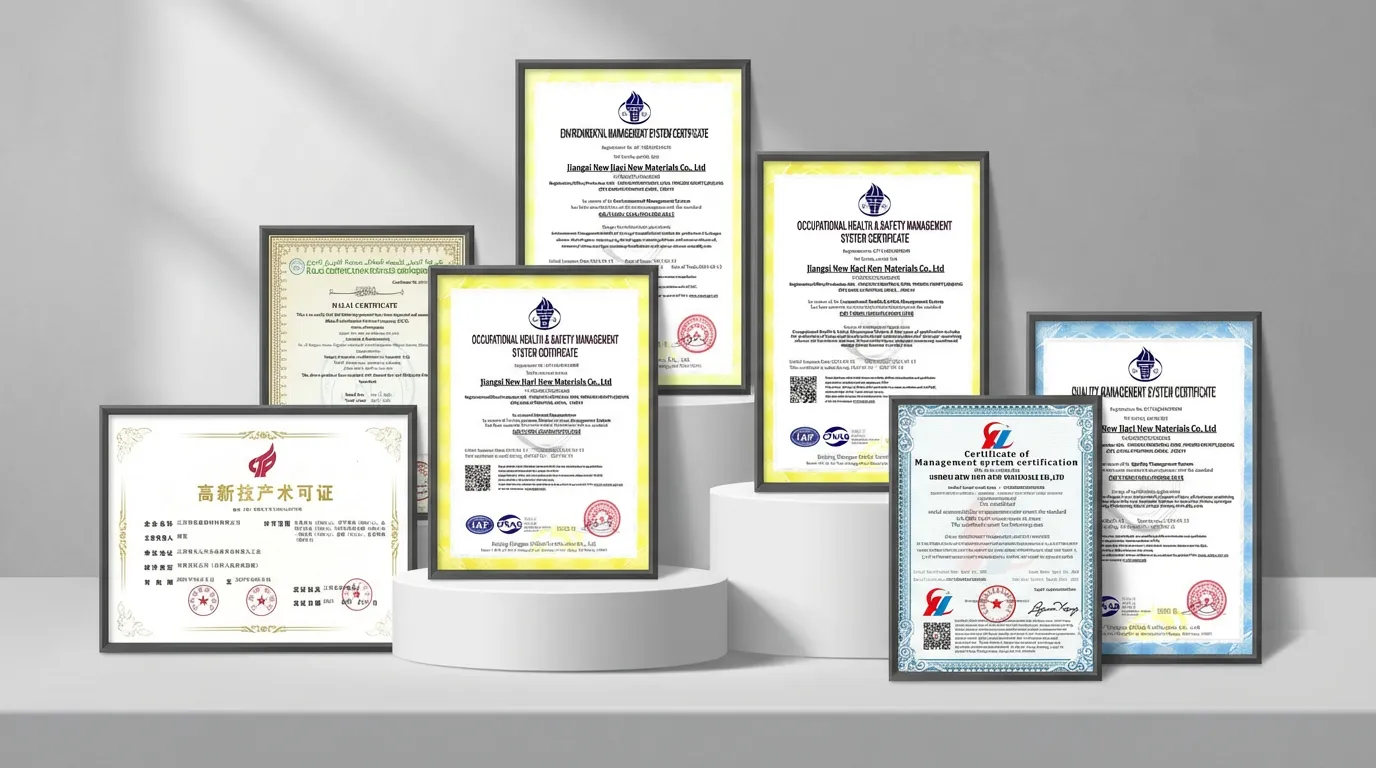
  • International certifications: REACH (EU), ISO 9001, ISO 14001, ISO 45001, SA 8000, HALAL, and other certification certificates.
  • Exportable documents include: COA, MSDS, certificate of origin, animal-free testing, Origin declaration, and vegan certification.
  • Customized Services: Small-batch trial orders (minimum 1kg), technical guidance on formulations, and personalized product modification services (e.g., particle size customization, modification).

What are the advantages of silicone on fabric?

  1. The silicone-coated outer surface of textile can enhance softness smooth feels, reduce shrinkage, improve wrinkle recovery, tensile strength, wear-resistance and elastic recovery, and hydrophobicity or water absorption.
  2. Silicone defoamer has the characteristics needed to control foam in the harsh textile processing environment.
  3. The temperature range of flexibility and stability of silicone textile surface coating is wider than that of organic coating. Therefore, the coating will not become hard and brittle in cold weather and will not degrade when heated.
  4. When used in clothing, the silicone coating is breathable, comfortable and suitable for skin contact, so it is even used for athletic wear and medical applications.
  5. In automotive, manufacturing, construction and athletic wear goods, seam sealers applications, silicone coatings are strong and durable, and can be heat-resistant, cold-resistant, moisture-resistant, UV-proof, fireproof, flame resistance and wear-proof.
  6. Silicone enables manufacturers to go beyond simple coating, waterproofing and softness to produce functional fabrics, smart textiles and high-performance textiles for industrial applications.
  7. Because the silicone is easy to deal with and the cost-effectiveness is low, the performance-to-price ratio of practical use is very high.

Benefit from the manufacturing advantages

1. Pre-production samples for all orders before production starts

2. Free packaging services

3. Precision manufacturing on branded CNC equipment

4. Experienced engineers to monitor the entire production process

5. Stable after-sales service

6. 24-hour warehousing service and logistics support

7. Wholesale and retail experience

8. Quality control, including raw material incoming inspection, process intermediate product inspection, finished product factory full analysis inspection

9. Invest more than 12% of sales in R&D each year

Applications

1. Silicone softener

Textile softener is a kind of textile auxiliary, which can adsorb on the surface of industrial textiles fibers and smooth the fibers, which can change the hand feeling and make the product more comfortable. Among them, silicone softener is a kind of softener with superior performance, outstanding effect and wide application. This type of softener is an emulsion or microemulsion of polysiloxane and its derivatives, which not only makes the textiles soft and smooth but also has good breathability, surface gloss, wear-resistance, wearing comfort, water repellent, high-temperature resistance, anti-ultraviolet and other functions; in addition, such materials are non-toxic and harmless, friendly to the human body and environment, low cost, suitable for different textiles, and have broad application prospects.

Four stages of development of Silicone softener:

  1. The first generation of silicone softeners: emulsification of dimethicone by mechanical emulsification
  2. The second-generation silicone softener: amino-hydrocarbyl modified silicone oil, referred to as amino-silicone oil, can be regarded as the product of partial methyl groups (including lateral and terminal positions) in dimethyl silicone oil being replaced by amino-hydrocarbyl groups.
  3. The third-generation silicone softener: that is, polyether-modified amino silicone oil, which refers to the hydrosilation addition reaction of side-chain hydrogen-containing silicone oil with allyl epoxy compounds and allyl polyethers to obtain side-chain polysiloxanes. The intermediate of ether epoxy silicone oil, and then the organic amine is used for ammonia dissociation ring-opening reaction to obtain polyether-modified amino silicone oil. After the treatment, the fabric is not only soft and smooth but also has excellent hygroscopicity.
  4. The fourth generation of silicone softener: block modified silicone oil. It has been greatly improved in terms of softness, washability, elasticity and hydrophilicity, which meets the various needs of users for fabrics, and has become the mainstream direction of the development of silicone softeners.

How to choose silicone products for fabric and textile?

XJY-701 Polymethylhydrosiloxane, XJY-702 Methylhydrosiloxane Dimethylsiloxane Copolymer, XJY-707 Hydride Terminated Polydimethylsiloxane, and other products can be used to make softeners. The active -H group in such hydrogen-containing silicone oils can be used to make interrupted silicone softeners or polyether-modified silicone oils.

2. Silicone water repellent

Silicone water repellent adhesive is a silicone polymer compound that is uniformly coated on the surface of the fabric. It forms one or more films on the surface of the fabric by bonding. It can not only improve the appearance and style of the fabric, but also increase the function of the fabric so that the fabric has special functions such as waterproof, water pressure resistance, ventilation, moisture permeability, flame retardant, anti-fouling, and shading reflection. It can be used in various fabrics, such as raincoats, ponchos, winter clothes, jackets, work clothes, tents, tarpaulins for cars, etc.

The fastest-growing waterproof fabric adhesives are polyurethane and polyacrylate emulsions, but the polar groups of polyacrylic side chains make water resistance poor and cannot meet the requirements of the textile industry. Silicone improves the waterproof and water-repellent properties of such fabrics, making the fabric soft and breathable, with good water and weather resistance, transparent coating film, and high viscosity to satisfy the market’s needs.

How does silicone water repellent work?

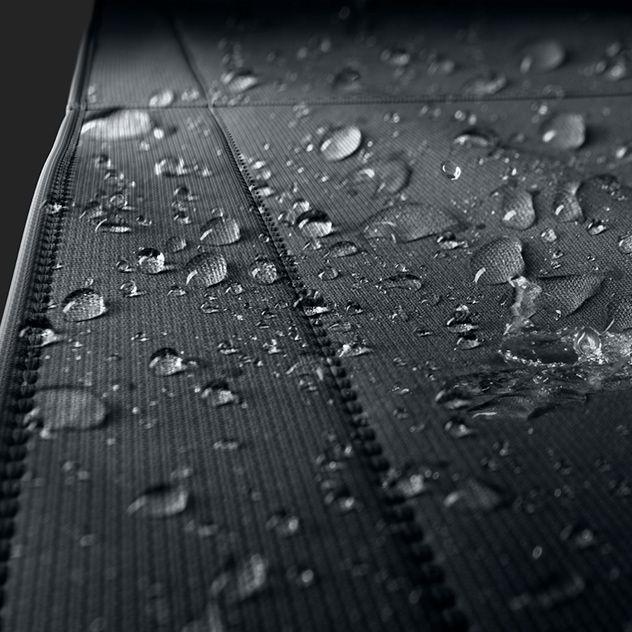
The water repellent refers to reducing the adsorption force of the fabric on water, so that the water will not penetrate the fabric immediately, but form water droplets. Fabrics with a waterproof finish will still penetrate when the water stays for a long time, but have better breathability and comfort. Clothes with waterproof finishing can prevent the fabrics from permeating when exposed to water. When daily clothing is not waterproofed, it will soak through rainwater almost immediately. Textile fabrics with waterproof finishing can give the fabrics moisture resistance and permeability in a short time. Effectively, when encountering a small amount of short-term water, the wetting of the textile fabric can be temporarily avoided; the water droplets on the textile fabric can be wiped off within a certain period of time, and it is still possible to keep the fabric dry.

How to coat fabric with silicone

Silicone leather fabric is the industry’s only environmental alternative to vinyl and polyurethane. Through decades of experience in the silicone industry and several years of research and development, you can use our silicones to develop a new coated fabric with zero PVC and zero solvents while achieving the highest standards for durability, sustainability, stain resistance and cleanability. The performance of silicone fabric is unmatched in resistance to abrasion, cracking, fading, staining and weather, and can be cleaned and disinfected with a bleach solution. In addition, silicone fabrics are PVC, Polyurethane, and BPA-free; made without the use of plasticizers or phthalates.

Products Question

What is the MOQ of MQ resin and VMQ silicone?

For our existing regular in-stock products, the MOQ starts from 1 piece.

If you would like to customize a product with a specific specification, please contact us to determine the MOQ.

Do you offer a delivery service for silicone resins?

Of course, we are happy to provide our customers with a substitute shipping service.

We also offer a courier service with different prices and delivery times depending on your needs.

Your order will be delivered quickly and safely. Our professional team will also help with any urgent.

What is the sample fee for MQ resin and VMQ silicone resin?

Samples up to 1KG are free of charge, and shipping costs are paid on delivery.

For a large amount of sample cost, please contact us to discuss.

What kind of packaging is used for MQ resin and VMQ silicone resin?

Resin powder is usually packed in 25KG cardboard drums.

The liquid is packed in 200KG iron drums.

What is the lead time for production?

For our existing regular stock products, we usually need 7-15 days, the lead time may be longer for higher quantities, depending on the actual delivery date of the factory.

For custom products, please contact us to determine the exact lead time.

Do you provide warehousing services for my product orders?

We offer a professional 24-hour monitored warehousing service for every customer.

What are your payment terms?

For samples, 100% T/T in advance.

For orders: 50% TT in advance, 50% balance before shipment.

For large long-term orders, please contact us to discuss payment terms.

How long is the service life of your silicone resin?

We use high-standard raw materials to produce silicone MQ resin and VMQ silicone resin, which usually last for 1 year in unopened conditions under indoor ventilation and dry conditions.

I would like to know more?

Contact us Now!

Request For Quote

Contact to our expert get the best solution for your requirements.