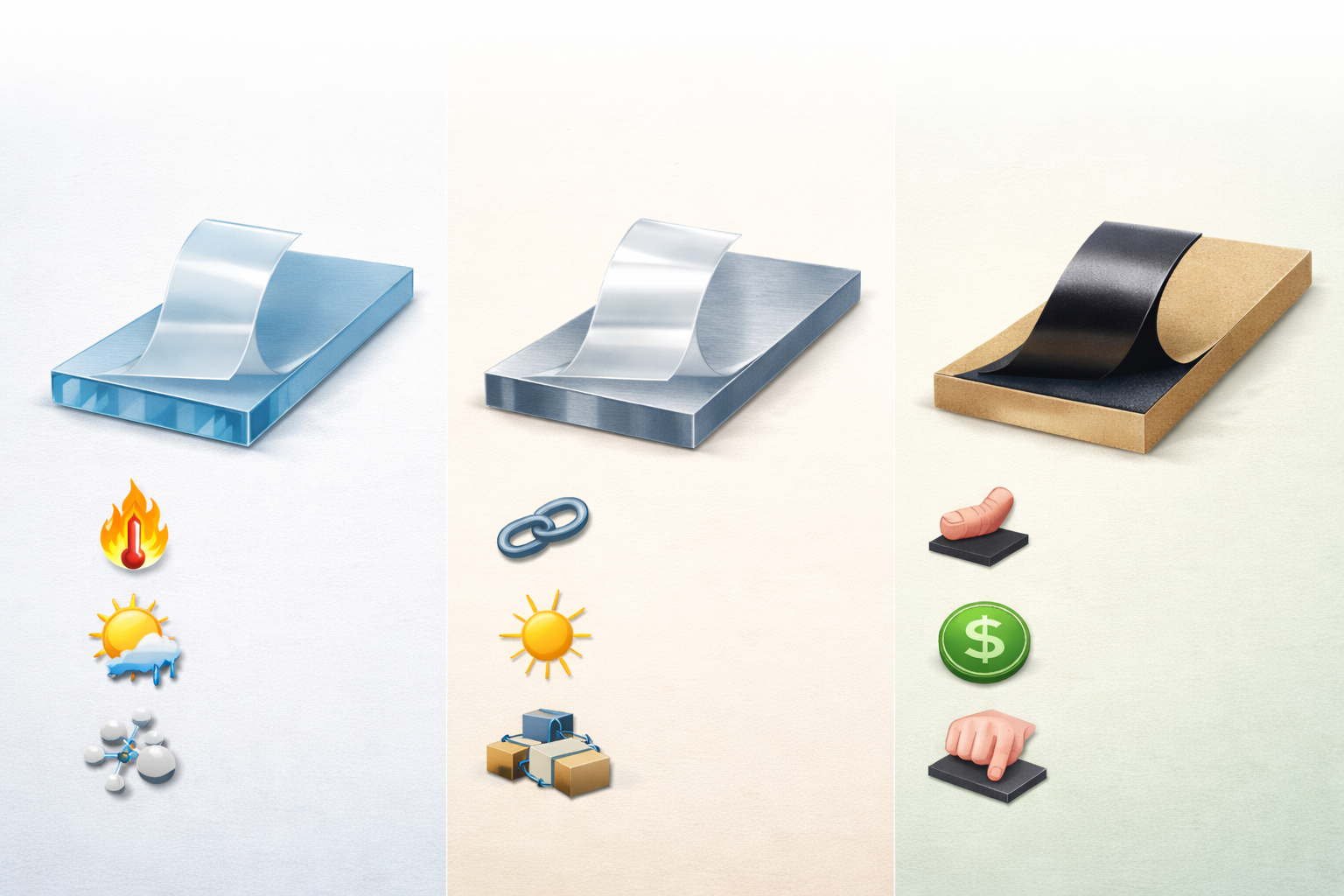
Silicone PSAs made from PDMS show high heat resistance, good low-temperature resistance, weatherproofing, good electrical insulation, and good peel adhesion to low surface energy materials. These PSAs are coated on various backings and made for silicone PSA products like adhesive tapes. It consists of high molecular weight (Mw) PDMS and MQ resin, which is provided solvent-based type using toluene or xylene.
Various applications
- For high heat resistance applications: heat resistant tapes, masking tapes for electrical device/plasma/solder
- For adhesion to the various surfaces: splicing tapes for silicone release liner, tapes for silicone rubber/fluoro resin/polyolefin
- In electrical insulation: binder for mica tapes, electrical insulation tapes
- Low reactivity to living organisms: skin contact application
- Removability and transparent: protective films for optical applications
Different curing/cross-linking mechanisms
Peroxide cure type PSAs make cross-linking by benzoyl peroxide (BPO) or other peroxides. BPO generates methyl radicals from the methyl group of gum eventually leading to the radicals reacting each other. 150°C or more is required for curing and making it necessary for the backing of the tape to be able to endure high temperatures. Benzoic acid (a by-product of BPO) remains in the PSA layer with insufficient cure conditions. On the other hand, the advantages of peroxide cure types are the lack of inhibitors for the catalyst and long pot life.
In addition to cure-type PSAs, cross-linking occurs by a reaction of a vinyl group and a Si-H group catalyzed with a platinum group compound. This reaction requires a lower temperature than peroxide cure types, which allows for backings with lower heat resistance. Some of the disadvantages of additional cure types are inhibitors for the platinum group catalyst. This catalyst is easily inhibited by N, P, S, Sn-containing compounds. We have to avoid contamination with these chemicals. An example of an inhibitor is the tin catalyst for condensation cure type silicones.
Detailed Applications
Silicone PSA for Medical
Medical silicone pressure-sensitive adhesives have developed rapidly in recent years. Because of their non-toxic, non-irritating, physiologically inert, wide operating temperature range, suitable bonding strength and drug penetration, they have been widely used in medical care.
XJY-301-2 series silicone adhesives are pressure-sensitive adhesive products suitable for the medical industry.
Acrylic adhesives are also widely used in the medical industry, but although acrylic pressure-sensitive adhesives have a large peeling force, they are prone to residual glue. At the same time, due to the solvent and the acrylic resin itself, it will cause people allergies, and symptoms include redness and swelling.
Therefore, the physiological inertness, five poisons, and no irritation of silicone can perfectly solve these problems, especially for medical tapes that need to be bonded for a long time.
But usually, the methyl MQ silicone resin in the silicone pressure-sensitive adhesive is produced in the toluene solvent. At the same time, the toluene content of the XJY-301 series is about 0.5%, but toluene is biologically toxic. Therefore, there are new requirements for silicone pressure-sensitive adhesives.
First of all, for the odor requirements of this product, it is required to have a low odor and no irritating odor. It is also required that there is no toluene in the pressure-sensitive adhesive.
Therefore, the XJY-8205 MQ silicone resin of the raw material in the 301-2 series is specially customized. Compared with other XJY-301 series methyl MQ silicone resins, a process of replacing toluene solvent with ethyl acetate solvent is added to ensure that the residual toluene content in the resin is far lower than the requirements of the medical industry.
In addition, other series of 301 pressure-sensitive adhesives are all toluene solvents, while XJY-301-2 uses ethyl acetate as a solvent, and the ethyl acetate solvent is also slightly toxic, but the toxicity to the human body is almost negligible.
However, due to the processing of MQ silicone resin and the change of solvent, the cost of XJY-301-2 will be much higher than that of other pressure-sensitive adhesives.
Silicone PSA for Electronics industry
Electrical insulation is mainly transformer, solenoid winding interlayer insulation and outer encapsulation, wire and cable joint, and terminal insulation.
Polyvinyl chloride tape and polyester tape are commonly used. But when you need heat resistance, silicone adhesive is the first choice, tape-based on glass cloth, polytetrafluoroethylene, or polyimide.
Small transformers and low-voltage coils use polyvinyl chloride, polyester, polypropylene, or pressure-sensitive tape of impregnated and coated paper and cloth as winding insulation, end fixing, and sealing.
For large transformers requiring heat resistance, aromatic polyamide and glass cloth tape should be used, as well as polyimide, polytetrafluoroethylene or silicone impregnated glass cloth tape.
In order to improve the electrical insulation performance of the transformer, the vacuum impregnation of insulating paint is generally carried out, and the pressure-sensitive tape should be resistant to the impregnation of insulating paint.
Silicone PSA for Automotive
Silicone applied in automotive electronic devices are bonding and sealant, potting adhesive, gel, insulation coating, thermally conductive adhesive and other materials. These materials are used to protect the engine control module, the spark wire and ignition module, the power system module, the brake system module, the exhaust control module, the power system, the lighting system, various sensors, connectors, etc.
Silicone pressure-sensitive adhesive is used in all kinds of control modules as the bonding and fixing of components on the circuit board, or for large components, such as capacitance, inductance, and coil as auxiliary fixing to prevent components from falling off due to vibration, and has the function of fixing and damping. In addition, it can also be used as the bonding and sealing of module shell to play the function of sealing, moisture-proof, anti-fouling and anti-corrosion. If the thermal conductive adhesive is used, it has both bonding and heat dissipation functions. It can be used to fix the power device or bond the heat dissipation plate to achieve the bonding and heat dissipation functions.
When driving on the road, cars must withstand the erosion of wind, sand, rain, snow, high and low temperature, vibration and other kinds of ground weather and pollutants. Therefore, various precision electronic control modules (sensors, actuators, regulators and sensitive and complex control systems) must be protected by appropriate protection materials to ensure their stability and reliability.
When driving on the road, cars must withstand the erosion of wind, sand, rain, snow, high and low temperature, vibration and other kinds of ground weather and pollutants. Therefore, various precision electronic control modules (sensors, actuators, regulators and sensitive and complex control systems) must be protected by appropriate protection materials to ensure their stability and reliability. In the automotive electronic application field, the selection of protective materials in addition to the basic requirements of insulation, moisture-proof, anti-fouling, anti-corrosion, thermal conductivity and other characteristics, special requirements of low stress and heat resistance, cold resistance and other properties. Because silicone pressure-sensitive adhesives and sealants have these properties at the same time, their application in the field of automotive electronics has received special attention, and their applications in automotive electronics are becoming more and more extensive.
For more instructive information in your applications? Contact us Now!
XJY Silicones——First Choice of Silicone PSAs
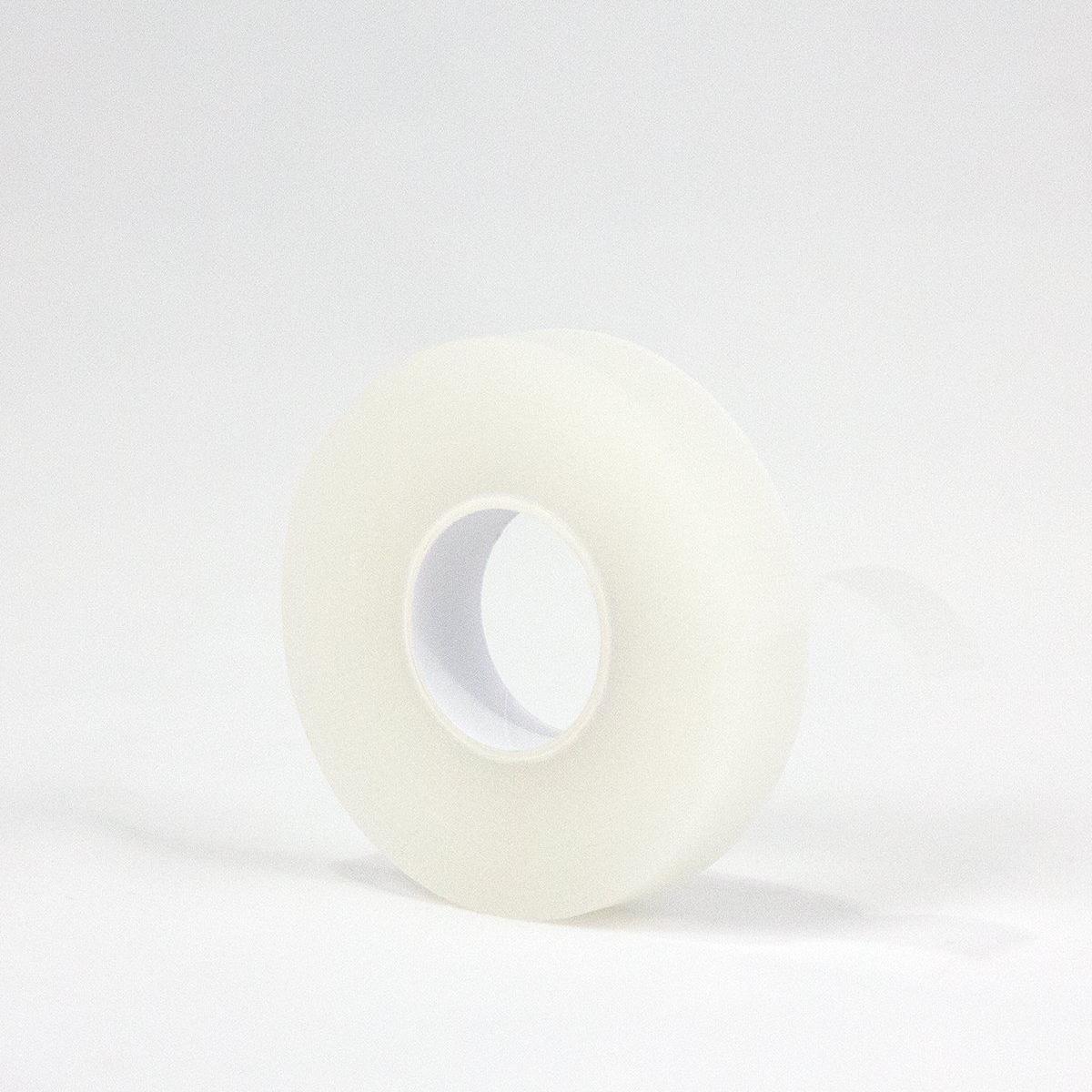
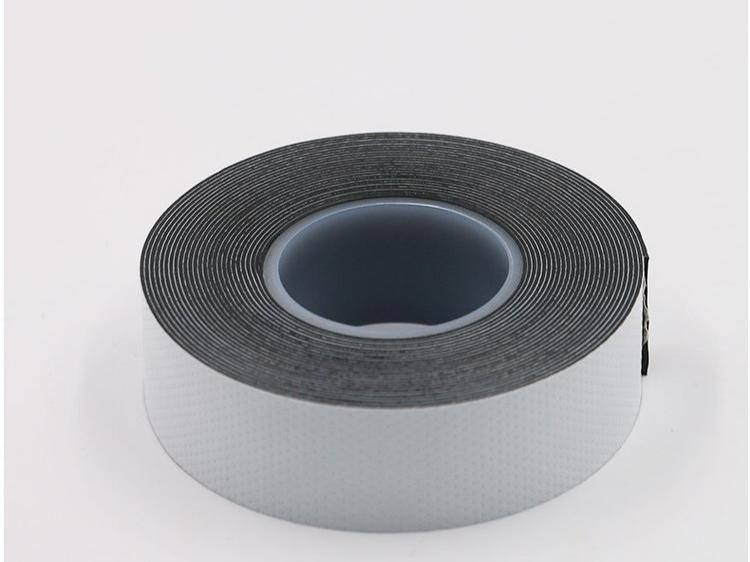
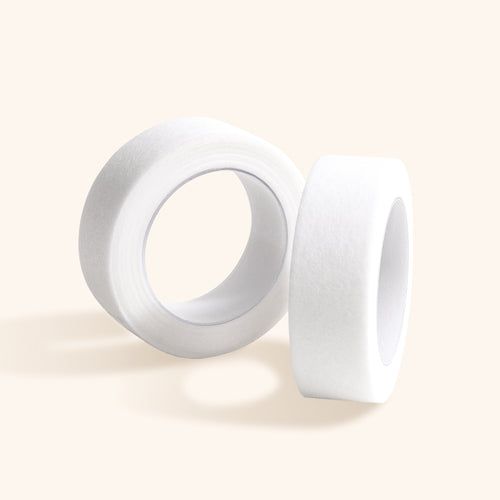
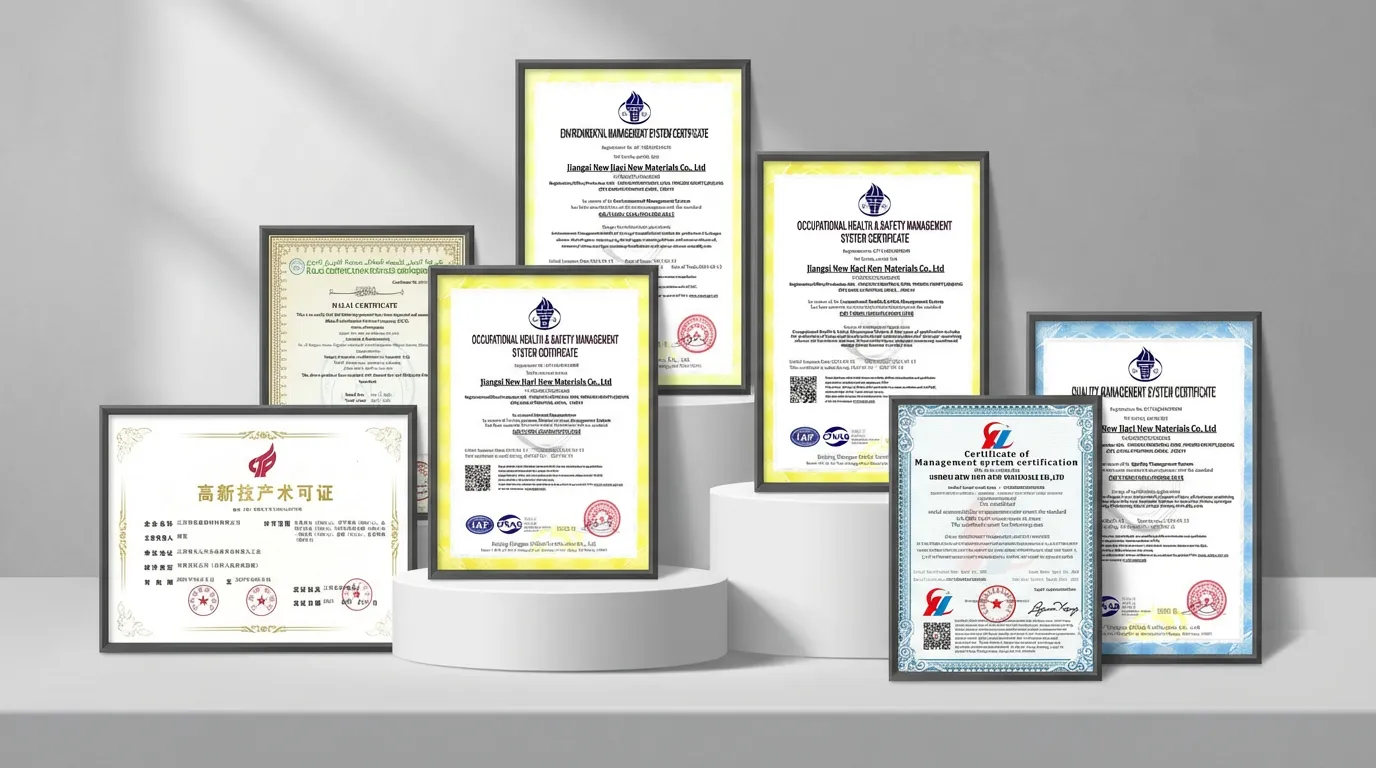
XJY Silicones is one of the leading China silicone PSA manufacturers. We advocate the concept of “zero defects” and “doing things right at one time”, and produce in strict accordance with ISO9001 quality management standards. Our XJY-301 and XJY-302 series silicone pressure-sensitive adhesives can be applied in a wide temperature range, and have good adhesive properties and chemical resistance, which make it can be used in various tape applications: transfer tape, Melamine tape, masking tape, Medical tape, High temperatures green tape, flame spray tapes, plastic films, etc.
|
Melamine tape
|

PET film
|

Medical tape
|

High temperatures green tape
|
|

PTFE tape
|

PI tape
|

Fiberglass cloth tape
|

Protective films
|
Get a sample now!
Product Question
What is the MOQ of Silicone PSA?
For our existing regular in-stock products, the MOQ starts from 1 piece.
If you would like to customize a product with a specific specification, please contact us to determine the MOQ.
Do you offer a delivery service?
Of course, we are happy to provide our customers with a substitute shipping service.
We also offer a courier service with different prices and delivery times depending on your needs.
Your order will be delivered quickly and safely. Our professional team will also help with any urgent.
What is the sample fee for Silicone PSA?
Samples up to 1KG are free of charge, and shipping costs are paid on delivery.
For a large amount of sample cost, please contact us to discuss.
What’s the packaging for your Silicone PSA?
XJY-301/302 Silicone PSA series can be supplied in 190KG or 200KG internally coated open iron drums. If you have special requirements, we can negotiate for customization.
What is the lead time for production?
For our existing regular stock products, we usually need 7-15 days, the lead time may be longer for higher quantities, depending on the actual delivery date of the factory.
For custom products, please contact us to determine the exact lead time.
Do you provide warehousing services for my product orders?
We offer a professional 24-hour monitored warehousing service for every customer.
What are your payment terms?
For samples, 100% T/T in advance.
For orders: 50% TT in advance, 50% balance before shipment
For large long-term orders, please contact us to discuss payment terms.
How long does your Silicone PSA last?
We use high-standard raw materials to produce silicone pressure-sensitive adhesive, the product is valid for 12 months from the production date under the original unopened package, and the storage temperature is 25℃ and below. If the storage period is exceeded, the product should be retested and can still be used if it meets the quality requirements

 English
  Spanish
  French
  German
  Russian
  Japanese
  Korean
  Portuguese