 English
  Spanish
  French
  German
  Russian
  Japanese
  Korean
  Portuguese
 Silicone compounding begins before the cure package is added. The way the resin enters the base fluid affects the preparation work a formulation team needs to manage. When a separate powder-incorporation stage complicates development, a prepared resin-fluid combination offers another route to investigate.
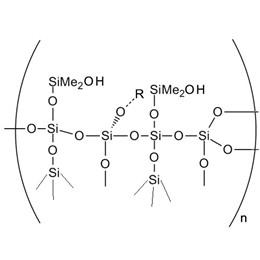
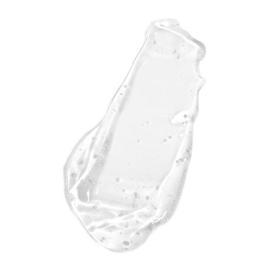
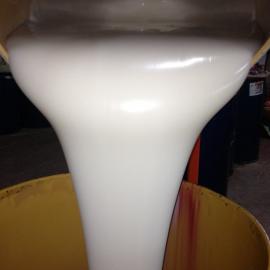
Liquid vinyl MQ resin brings the resin and a compatible silicone fluid together in a supplied material. The XJY-8206N series is documented as methyl vinyl MQ silicone resin combined with vinyl polydimethylsiloxane. This liquid form is relevant to silicone compound development where resin reinforcement, transparent appearance and the incorporation route need to be considered together.
What is the practical value of a resin-fluid blend?
A prepared blend changes the starting point for the formulator. Instead of separately introducing powder resin into a fluid and establishing that preparation stage from the beginning, the team starts with a supplied resin-fluid material. It can then focus on integrating that material into the complete formulation.
This can simplify the sequence of raw-material handling where the selected blend fits the project. It does not establish a guaranteed reduction in mixing time, energy use or overall production cost. Those advantages need to be measured on the actual process.
The XJY-8206N liquid resin series includes different grades. Grade selection remains important because the liquid form alone does not define viscosity, reactive-group content or suitability for a particular compound.
Why combine vinyl MQ resin with vinyl silicone fluid?
The material combines a vinyl-functional resin with a vinyl-functional silicone fluid. In an appropriately designed addition-cure formulation, vinyl functionality participates in the curing chemistry with a suitable silicon-hydrogen crosslinker and platinum catalyst. The resin component provides a route to reinforcement and hardness adjustment within that system.
The liquid series is positioned for applications including addition-molded liquid silicone rubber and LED encapsulation formulations. Its documented transparent appearance makes it a relevant candidate for clear silicone development, while the performance of the finished compound remains dependent on the complete formulation.
For a broader comparison of material forms, the XJY methyl vinyl MQ silicone resin range provides useful context. Selecting the delivery form is part of formulation design, alongside selecting the resin chemistry.
Choose the liquid grade around the process
Match viscosity to preparation and handling
A liquid material still needs to fit the equipment. Consider how it will be dispensed, mixed with the base fluid and incorporated with other ingredients. Review the viscosity information for the exact grade and the conditions under which it is measured.
Use a process trial to assess transfer, mixing uniformity and air removal. Avoid assuming that all liquid grades can be handled in the same way simply because they belong to one product series.
Understand both the resin and the fluid
The supplied material contributes more than a resin name. Its resin content, fluid identity and reactive-group content need to be understood when building the full formula. Request the current grade-specific information required for your formulation calculations.
A resin-fluid blend should not be treated as a powder on an equal-weight basis. Likewise, a liquid appearance does not establish the presence or absence of a particular volatile solvent. Confirm the composition and any residual-volatiles requirement for the grade under consideration.
Evaluate clarity and performance together
A clear starting material is useful, but final appearance must be evaluated after all ingredients are combined and cured. Check prepared-material uniformity, visible particles, entrained air and the appearance of specimens made under consistent conditions.
Link these observations to the application. For a transparent silicone component, the desired optical appearance needs to coexist with the required mechanical behavior. For an encapsulation formulation, qualification should address the complete application specification rather than infer suitability from resin transparency alone.
- Record the exact grade and batch used.
- Confirm the blend’s composition information before setting the formulation.
- Assess preparation and air removal on representative equipment.
- Compare cured appearance and the properties relevant to the application.
- Document any formulation changes needed when moving from powder to liquid.
Common questions about liquid vinyl MQ resin
Is XJY-8206N a complete silicone rubber?
It is a resin-fluid material for use in formulation development. A finished curing system requires the other appropriate components and a validated formulation.
Can it remove every source of bubbles?
No single raw-material format establishes bubble-free processing. The formulation and process still need evaluation, including incorporation, air removal and curing. Define the relevant requirements and verify them in the complete compound.
Find a liquid resin route for your formulation
Contact XJY Silicones to discuss the XJY-8206N series and request current documentation, a sample or a quotation. Share the base fluid, preferred handling range, intended application and the properties you need to balance.



_3.jpg)