 English
  Spanish
  French
  German
  Russian
  Japanese
  Korean
  Portuguese
 What is MQ resin used for in silicone formulations?
Are your silicone pressure-sensitive adhesive, coating, rubber, or cosmetic formulas losing peel strength, clarity, viscosity control, or wash-off resistance after scale-up? The problem often comes from choosing the wrong silicone resin. A methyl MQ silicone resin is usually intended for tackifying, film formation, water repellency, defoaming, and transfer resistance, while a vinyl MQ silicone resin is intended for VMQ, LSR, silicone gel, and electronic encapsulation. XJY recommends XJY-8205 methyl MQ resin for PSA and waterproof systems, and XJY-8206 VMQ resin for reinforcement, hardness, and transparent silicone materials.
MQ resin is a silicon-based silicone resin formed from M and Q siloxane units. It is used in silicone pressure sensitive adhesive, cosmetics, release agents, coatings, defoamers, and silicone elastomers because it can enhance adhesion, film strength, water repellency, and thermal stability.
To choose the right product, buyers need more than a name on a TDS. The key is to connect structure, curing type, viscosity, compatibility, and final application. This comparison keeps the chemistry practical for B2B formulation work.
What is MQ material?
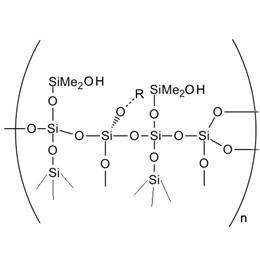
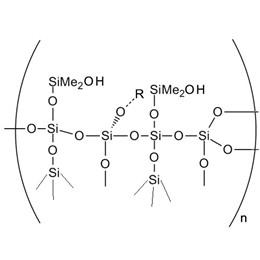
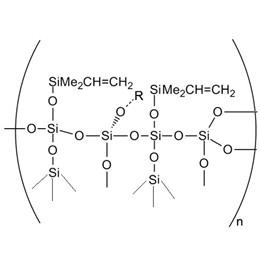
MQ resin is a versatile silicone resin formed by co-hydrolysis of M and Q units. In a simple general formula, it can be described as MxQy, where M stands for R3SiO1/2 and Q stands for SiO4/2. The structure of MQ silicone resin includes branched oligosiloxanes, usually with methyl and siloxane groups.
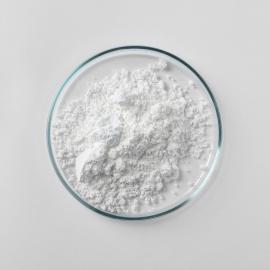
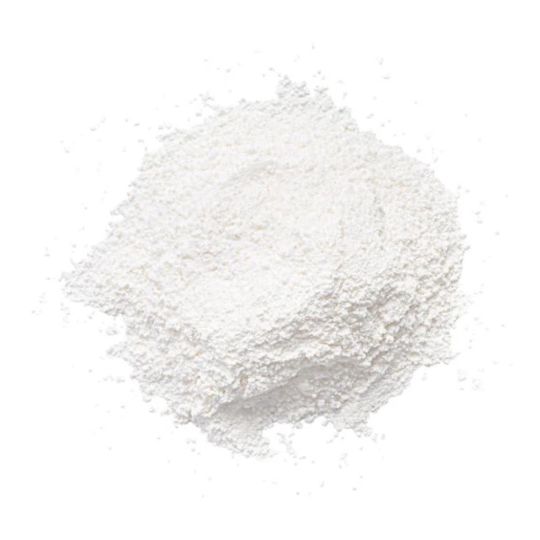
The M:Q ratio determines the physical state of the resin, from solid powder to solution-grade materials. Many commercial MQ silicone resin grades have a molar mass of about 2000-8000 g/mol, while molecular weight distribution affects solubility, film behavior, product preparation, and process stability.
How does XJY-8205 perform?
XJY-8205 and XJY-8205M are methyl MQ resin products designed for silicone pressure sensitive adhesive, waterproof coatings, release agents, defoaming formulations, and cosmetic ingredients. These resins can provide surface adhesion, film-forming properties, wash off resistance, and transfer resistance.
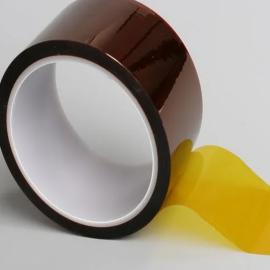
In silicone pressure sensitive adhesive, this MQ silicone resin helps balance tack, cohesion, peel strength, and high-temperature holding power. In cosmetics, the film formed can create a breathable barrier and improve sebum and water repellency in waterproof mascara or face cream. It may also be used as a silicone resin additive where long-lasting surface performance is required.
How does XJY-8206 VMQ resin perform?
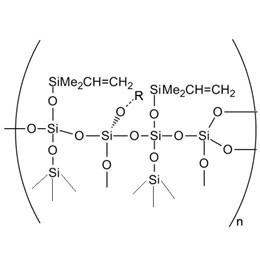
VMQ resin here refers to vinyl MQ silicone resin. Unlike methyl-only resins, vinyl MQ resin contains double bonds for curing, which can increase film hardness, tear strength, and mechanical strength in addition-cure silicone systems.
XJY-8206 powder and XJY-8206N solution are intended for high-transparency silicone rubber, silicone gel, LED encapsulant, LSR, and medical or electronic silicone applications. Their vinyl content and viscosity range help formulators adjust curing, hardness, reinforcement, and broad compatibility with vinyl silicone oil and hydrogen silicone crosslinkers.
What are the three types of MQ silicone resin?
For XJY product selection, the three common types of MQ silicone resin are methyl MQ resin, vinyl MQ resin, and hydrogen MQ resin. Methyl grades focus on adhesion, waterproofing, release, and defoaming. Vinyl grades focus on addition-cure reinforcement. Hydrogen grades are mainly used as functional intermediates or crosslinking resins.
Where is MQ silicone resin used?
MQ silicone resin has many applications across industrial and personal care markets. It is used in silicone pressure-sensitive adhesives, high-temperature electrical insulating coatings, anti-foaming agents, and specialized coatings that require heat resistance and weather resistance. It can also work as an anti sticking agent or release agent in polyurethane processing.
For food, pharmaceutical, and medical projects, buyers should check the intended regulatory pathway before preparation and testing. The resin may be chemically suitable, but the final product must meet application-specific compliance requirements.
Methyl MQ resin vs VMQ resin: how to choose?
Choose methyl MQ resin when the goal is adhesion, waterproofing, release, defoaming, cosmetic film formation, or PSA performance. Choose vinyl MQ resin when the formula needs curing activity, high clarity, reinforcement, tear strength, or compatibility with addition-cure silicone systems.
Buyers comparing Dow or other imported resins should check M:Q ratio, viscosity, vinyl value, volatility, curing behavior, broad range of applications, and batch consistency, not only appearance and solid content.
What are the three types of silicones?
In practical formulation language, the three broad types of silicones are silicone fluids, silicone elastomers, and silicone resins. MQ resin belongs to silicone resins, while VMQ rubber belongs to silicone elastomers. This distinction helps buyers avoid mixing raw material names with final polymer types.
Why work with XJY Silicones?
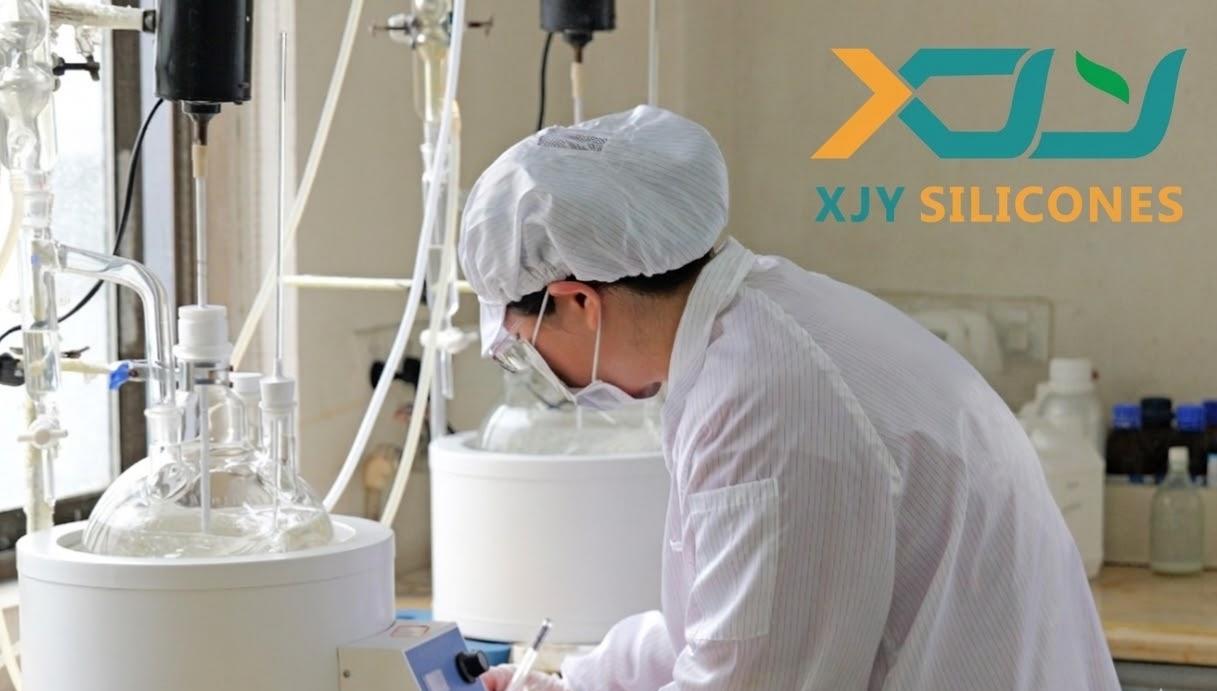
XJY Silicones is a B2B silicone resin manufacturer supplying methyl MQ, vinyl MQ, hydrogen MQ, silicone PSA, and specialty silicone raw materials. With dedicated MQ silicone production lines and technical support, XJY can provide resin selection information for adhesive, coating, cosmetic, electronic, and industrial applications.