 English
  Spanish
  French
  German
  Russian
  Japanese
  Korean
  Portuguese
 Are Your Silicone Materials Failing Under Heat, Pressure, and High Filler Loading in 2026?
In 2026, manufacturers in electronics, EV batteries, LED packaging, and thermal interface materials face a growing problem: traditional silicone systems often struggle with high filler loading, unstable viscosity, oil bleeding, and poor long-term durability. These issues can reduce product reliability, delay automated production, and increase warranty risks. As thermal conductivity requirements continue to rise, more OEM and ODM companies are turning to VMQ solutions. One of the most effective options is methyl vinyl mq resin, a specialized silicone resin designed for reinforcement, flexibility, and stable processing performance.
VMQ resin, especially methyl vinyl mq resin, is widely used in 2026 because it improves thermal stability, flexibility, transparency, adhesion, and processing performance in advanced silicone systems. It is commonly applied in electronics, thermal conductive materials, medical silicone, LED encapsulation, and high-performance industrial Chemical products requiring reliable long-term durability.
The market is moving fast. From AI server cooling to EV battery protection, the demand for high-performance silicone resin materials is increasing every year. Understanding how VMQ works, its different types, and its industrial advantages can help buyers choose the right Manufacturer, Supplier, or Wholesaler for long-term projects.
Key Features of VMQ
Excellent Thermal Stability and Flexibility
VMQ stands for vinyl methyl silicone rubber, a material known for balancing elasticity and thermal resistance. Compared with conventional rubber systems, VMQ maintains flexibility under both low and high temperatures. This makes it suitable for applications exposed to continuous thermal cycling, including automotive electronics, industrial sealing, and thermal conductive pads.
In 2026, high-power devices generate more heat than ever before. As a result, many OEM manufacturers require materials that can survive demanding operating conditions without cracking or deformation. Methyl vinyl mq resin improves structural stability inside silicone systems while maintaining softness and processing efficiency.
Strong Compatibility with High Filler Systems
Modern thermal conductivity materials usually contain a large amount of ceramic or metal fillers. However, high filler loading often creates viscosity problems, poor dispersion, and unstable curing behavior.
This is where silicone resin technology becomes important. VMQ-based systems can improve filler compatibility and processing stability while reducing oil bleeding and shrinkage. For manufacturers producing thermal gels, potting compounds, or gap fillers, this helps improve automation performance and final product reliability.
High Transparency and Electrical Insulation
Another advantage of VMQ is its excellent optical and electrical properties. Many electronics and LED applications require transparent silicone materials with stable insulation performance.
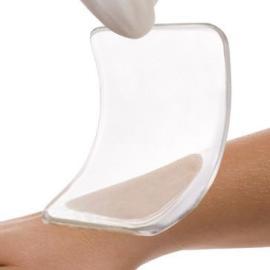
Methyl vinyl mq resin can enhance transparency while improving mechanical strength. This is especially valuable for optical OCA films, LED encapsulation, medical silicone gels, and advanced electronic adhesives.
Types of VMQ
VMQ Powder Resin
Powder-type VMQ products are commonly used as reinforcing materials in high-hardness silicone rubber and addition-cure systems. These products improve hardness, tensile strength, and dimensional stability.
For example, many industrial Supplier and Manufacturer companies use VMQ powder in electronic encapsulation and silicone elastomer production. Powder forms are also easier to customize for different viscosity and vinyl content requirements.
VMQ Silicone Solution
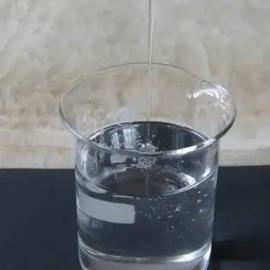
Liquid VMQ systems combine methyl vinyl mq resin with vinyl silicone oil to create transparent and process-friendly solutions. These products are widely used in liquid silicone rubber (LSR), release coatings, and medical silicone applications.
Compared with standard silicone fluids, VMQ solutions offer better reinforcement and more stable adhesion performance. This helps ODM factories improve coating consistency and reduce production defects.
Customizable VMQ Systems
Different industries require different vinyl content, viscosity ranges, curing speeds, and filler compatibility. Because of this, many global buyers now prefer Customizable VMQ materials rather than standard grades.
An experienced Wholesaler or OEM silicone resin Manufacturer can adjust formulation details according to processing methods, substrate requirements, and final application targets. In 2026, customized Chemical materials are becoming a major competitive advantage for industrial producers.
Why Use VMQ?
Better Performance for Thermal Conductive Materials
One of the biggest reasons companies use VMQ in 2026 is the rapid growth of thermal management applications. AI chips, EV batteries, communication devices, and industrial power systems all require efficient heat dissipation.
Traditional silicone materials sometimes struggle when thermal conductive filler content becomes too high. VMQ-based silicone resin systems help maintain flexibility, processing stability, and long-term reliability even under demanding conditions.
This makes methyl vinyl mq resin an important material for thermal pads, thermal grease, encapsulation gels, and conductive adhesives.
Improved Reliability for OEM and ODM Production
Modern factories rely heavily on automated dispensing, coating, and curing equipment. Materials with unstable viscosity or inconsistent curing behavior can create serious production issues.
High-quality VMQ products help reduce batch variation and improve manufacturing consistency. For OEM and ODM customers, this means lower defect rates, better efficiency, and more reliable final products.
Many global buyers now work directly with experienced silicone resin Manufacturer companies that offer stable production capacity, technical support, and flexible customization services.
Wide Industrial Application Range
VMQ materials are no longer limited to traditional silicone rubber industries. In 2026, applications continue expanding into medical devices, renewable energy, aerospace, electronics, optical films, and personal care products.
Because of their balanced mechanical and Chemical performance, VMQ systems can meet the needs of industries requiring durability, flexibility, and environmental resistance at the same time.
This growing demand also creates new opportunities for global Supplier and Wholesaler companies focused on high-end silicone material solutions.
Conclusion
In 2026, VMQ has become an important material for advanced silicone applications requiring durability, flexibility, and high thermal conductivity performance. Choosing the right silicone resin, especially methyl vinyl mq resin, helps OEM, ODM, Supplier, and Manufacturer companies achieve more stable and competitive products.