 English
  Spanish
  French
  German
  Russian
  Japanese
  Korean
  Portuguese
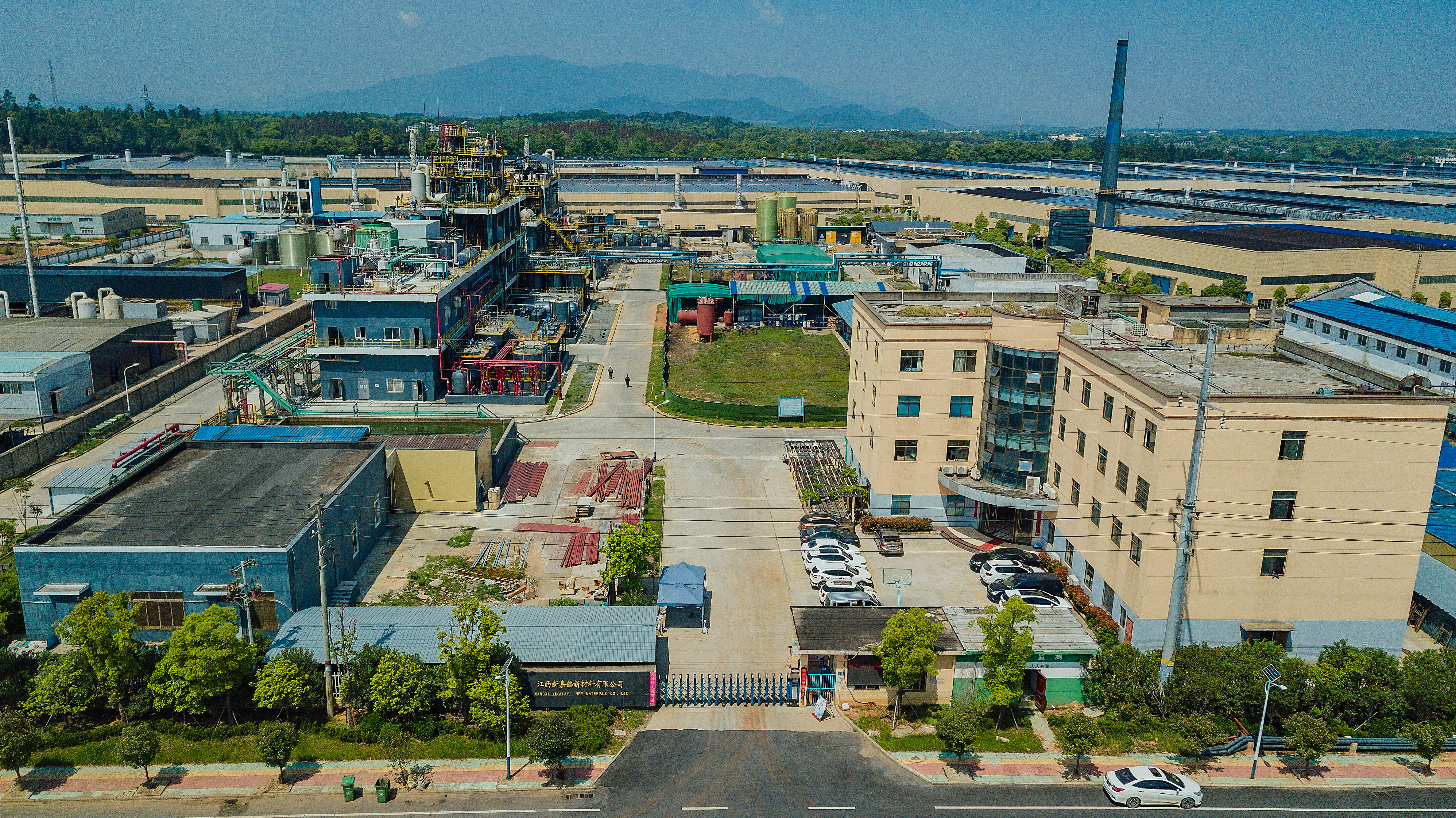
 In the world of advanced material science, few composite substances offer the versatility of Methyl MQ Silicone Resin. Classified as an organic-inorganic material hybrid, these engineered copolymers are the silent workhorses behind “24-hour wear” lipsticks, high-temperature coatings, and next-generation adhesives.
Whether utilized as a reinforcing agent or a reinforcing material, MQ silicone provides exceptional heat resistance, aging resistance, and weather durability for products exposed to extreme environments. But what makes an MQ resin “high-performance”? The answer lies in its unique structural formula—a dense, 3D network of silica (units of Q) shielded by organic functional groups (units of M).
- The Molecular Blueprint: Methyl MQ
-
Synthesis Mastery: From Hydrolysis to Curing Innovation
-
The Power of the Q Ratio
- Key Applications: Why the Industry Depends on MQ Silicone
- Why choose XJYSilicones as your partner?
1. The Molecular Blueprint: Methyl MQ
MQ silicone resin is primarily composed of two structural building blocks that define its stability and durability:
Q Units (Quadritunctional): The inorganic core, providing hardness, heat resistance, and a glass-like transparent structure.
M Units (Monofunctional): The organic “shell”, typically methyl silicone groups, which provide solubility, water repellency, and moderate flexibility.
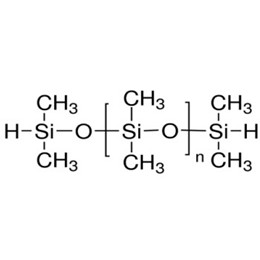
Unlike linear silicone oil or dimethyl silicone oil, MQ resin molecules are 3D spherical nanoparticles. Their molecular weight and different ratios of components allow them to act as silicone rubber reinforcement while maintaining excellent isolation performance.
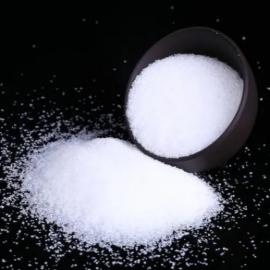
XJY-8205 MQ resin(Silicic acid, sodium salt, reaction products with chlorotrimethylsilane and iso-Pr alc.) is a co-hydrolysis product of tetraalkoxy silane (Q unit) and trimethylalkoxy silane (M unit).
MQ resin is widely used in personal care, adhesives, defoamers, and waterproofing agents, and has good high demolding power in release agents for polyurethane processing.
2. Synthesis Mastery: From Hydrolysis to Curing Innovation
The performance of methyl MQ silicone is dictated by its “birth.” Depending on the intended use—such as for liquid silicone rubber or semiconductor components—manufacturers may incorporate a vinyl group to allow the resin to cure silicones effectively.
A. Hydrolytic Polycondensation (The Industry Standard)
The co-hydrolysis of functional silanes. While common, this requires a controlled dispersion system in a solvent to ensure good heat resistance and long-term shelf life.
B. The Anhydrous Method (The Cutting Edge)
A breakthrough in “chlorine-free” chemistry, producing a colorless, clear liquid or powder with excellent heat resistance (up to 500°C) and superior electrical insulation.
3. The Power of the Q Ratio
The ratio of M units to Q units is the single most important lever to adjust for a formulator.
M/Q > 1.0: Results in a low-viscosity clear liquid. It is often suitable for spreading, lubrication, and foam inhibition performance.
M/Q = 0.6 – 1.0: The “Sweet Spot.” These resins offer the best adhesion and film-forming properties for personal care and sealants.
M/Q < 0.6: Hard, brittle powders. These provide high mechanical strength for reinforced silicone rubber used in high-temperature industrial parts.
4. Key Applications: Why the Industry Depends on MQ Silicone
I. Personal Care & Waterproof Coatings
In cosmetics, MQ silicone resin is the gold standard for UV protection and water repellency.
Lipstick: Ensures a durable, non-transfer surface.
Sunscreen: Enhances weather durability and resistance to sweat.
II. Adhesives & Pressure Sensitive Adhesive Tape
MQ silicone acts as a tackifier. By interacting with the rubber base, it regulates adhesion for tapes that require low temperature resistance and clean removal.
III. Release Agents & Mold Release
As a semi-permanent release agent, these resins provide excellent isolation performance. They are widely used as agents to facilitate easy mold release in complex manufacturing.
IV. Electronics: LED Encapsulation & Insulation
For LED lights and semiconductor components, the resin must offer excellent heat resistance and electrical insulation to protect delicate circuitry.
5. Why choose XJYSilicones as your partner?
As consumer demands shift toward more durable and sustainable materials, MQ silicone will remain at the forefront. Whether you are looking to adjust the hardness of a silicone rubber or improve the foam inhibition performance of a composite, understanding the structural formula and q ratio is the key to unlocking the next generation of “Hero Ingredients.”
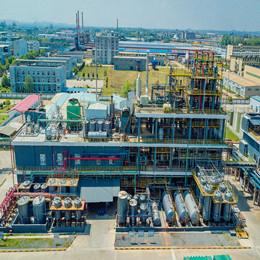
XJY Silicones is one of the leading silicone MQ resin and VMQ silicone manufacturers in China, with more than 30 years of R&D and manufacturing experience in the silicone industry, as well as more than 15 related patents and technical support. Our silicone raw material products can meet the needs of the silicone coating field and support the provision of diversified customized solutions.