 English
  Spanish
  French
  German
  Russian
  Japanese
  Korean
  Portuguese
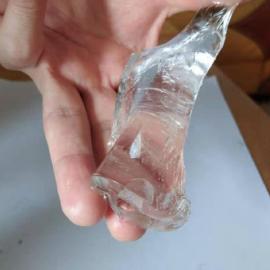
 Room temperature vulcanizing (RTV) silicone elastomers are used extensively in dental practices to take impressions of patients’ teeth. Today, medical-grade silicone for dental applications is considered the ‘gold standard’ in dentistry due to its extreme precision and long-term stability.
Whether in a local clinic or a high-end dental lab, silicone is used to create high-precision molds for crowns, bridges, and dentures. Beyond their clinical accuracy, silicones are advantageous in reducing patient anxiety during the impression-taking process due to their favorable working and setting times. Because silicone is odorless and tasteless, it significantly enhances the patient experience.
- VPS and Vinyl MQ Silicone Resin
- Superior Biocompatibility and Regulatory Specifications
- Extreme Durability and Physical Characteristics
- Medical and Dental Applications
1. VPS and Vinyl MQ Silicone Resin
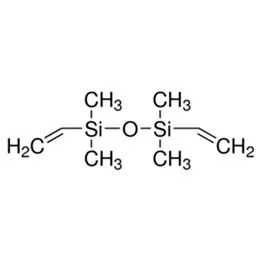
Understanding the characteristics of these silicone materials reveals why they dominate the medical industry. Silicone dental impression materials typically use a base polymer of vinyl polysiloxane (VPS) and a cross-linking agent such as hydrogen-containing silicone oil. During the curing process, these materials achieve good mechanical properties and ductility through a highly precise cross-linking addition polymerization reaction that produces no secondary molecules, ensuring minimal shrinkage.
Crucially for formulators, the mechanical properties of dental impression materials can be significantly enhanced by adding vinyl MQ silicone resin, which improves hardness without significantly affecting the low viscosity required for capturing fine details.
There are generally three categories of medical-grade elastomers used by medical device manufacturers: RTV silicones, high consistency rubber (HCR), and liquid silicone rubber (LSR). Medical-grade LSR is a popular choice favored for medical applications due to its processing advantages and suitability for controlled release in pharmaceuticals.
In terms of manufacturing processes, the liquid silicone injection molding process for LSR requires mixing two parts of LSR in a static mixer before transferring the fluid to the screw for molding. Manufacturers also utilize over-molding—a method that adds another layer of material over an existing part (often replacing plastic or metal)—enhancing the functionality and aesthetics of multiple components.
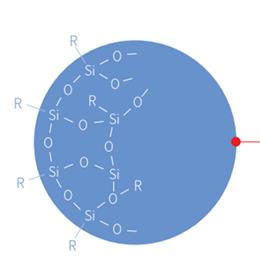
XJY-8206 Vinyl methyl silicone resin is a polycondensate from four functional group siloxane(Q) and one functional group methyl siloxane(M), the molar mass is generally 2500-5000g/mol, the molecular structure of the M and Q chain ratio, and the structural nature of the M decision resin applications.
And if you want to directly use VMQ resin, you can choose our customized products for dental impression materials.
XJY-9860/XJY-9866 Methyl Vinyl MQ Silicone Resin and Vinyl Silicone Fluid Solution is an additive specifically designed to enhance the mechanical properties of addition-cured silicone elastomers.
2. Superior Biocompatibility and Regulatory Specifications
When introducing any material into the oral cavity or the human body, safety is paramount. Medical-grade silicone is specifically subjected to rigorous testing protocols to ensure it does not cause toxic, allergic, or inflammatory reactions when in contact with human tissue or skin.
Physiologically Inert: It is non-toxic, hypoallergenic, and non-reactive, making it exceptionally safe for direct contact with oral tissues. It presents minimal risk to human health and is resistant to biological aging.
Infection Control: Medical-grade silicone is resistant to microbial growth and does not support bacterial proliferation. This high level of safety means the elastomer can withstand strict sterilization and exposure to bodily fluids without degrading.
Class Certification: These medical-grade materials must adhere to strict regulatory standards and specifications to guarantee safety and efficacy, far surpassing the quality of food-grade silicone.
3. Extreme Durability and Physical Characteristics
These materials are known for their outstanding physical properties, including extreme durability, chemical resistance, and excellent biocompatibility.
Unlike other materials, medical silicone has excellent thermal stability, allowing it to perform well under extreme temperatures. It boasts a wide, useful temperature range (and exceptional heat resistance), making it highly beneficial for diverse and critical applications. Furthermore, it is resistant to UV radiation and X-rays.
Because medical silicone does not crack, it contributes greatly to the longevity and reliability of medical devices. It is naturally water repellent (though often modified with surfactants for dental use) and has superior electrical insulating qualities compared to other elastomers. Its high tensile strength and high tear strength make it an ideal material, often favorably compared to thermoplastic elastomers (TPE) due to its superior overall performance.
4. Medical and Dental Applications
The benefits of this material span a broad range of solutions in modern medicine.
Dental Innovations: Beyond providing an accurate impression with excellent dimensional stability and excellent detail reproduction, medical-grade silicone is used for flexible dentures that offer a comfortable fit, especially for patients with oral sensitivities. Soft pads made with medical-grade silicone are used in dentistry to cushion and improve chewing, maximizing patient comfort. It is also versatile enough to be used in advanced dental applications like 3D printing for personalized orthodontic devices, retainers, and aligners.
Medical Manufacturing: The production of medical devices relies heavily on these materials. Medical-grade silicone can be used in various forms, such as sheeting, tubing, and custom silicone components. It is widely utilized in catheters, drug delivery systems, and long-term implantable devices like cochlear implants and intraocular lenses.
Ultimately, from a basic putty to a complex surgical procedure device, the careful research, material selection, and manufacturing of high-quality silicone polymers and resins provide a foundation of trust for the entire healthcare market.
XJY Silicones is one of the leading silicone MQ resin and VMQ silicone manufacturers in China, with more than 30 years of R&D and manufacturing experience in the silicone industry, as well as more than 15 related patents and technical support. Our silicone raw material products can meet the needs of the medical silicone coating field and support the provision of diversified customized solutions.