 English
  Spanish
  French
  German
  Russian
  Japanese
  Korean
  Portuguese
 Selecting MQ silicone resin for electronic coatings starts with the function the resin must perform. Formulators often need to improve film strength or control cure response without losing processability, flexibility, or visibility of the components below. The difficult part is that “MQ silicone resin” describes a family of materials rather than one interchangeable additive. Choosing only by product name can lead to poor dispersion, an unsuitable cure balance, excessive hardness, or a coating that does not fit the application method.
The short answer is to select MQ silicone resin by function and cure chemistry. For transparent addition-cure silicone systems, evaluate a vinyl-functional MQ resin or a vinyl MQ resin supplied in vinyl polydimethylsiloxane. When the formulation needs an active crosslinking component or a tackifying contribution in a compatible silicone resin coating, evaluate a hydrogen MQ resin. In either case, confirm viscosity, dispersion, cure behavior, film appearance, adhesion, and electrical protection in the complete formulation rather than judging the resin alone.
Why Does MQ Structure Matter in an Electronic Coating?
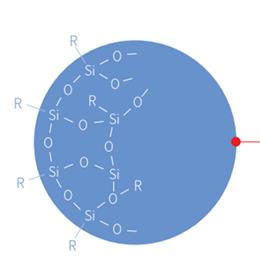
MQ silicone resin is built from monofunctional siloxane units, called M units, and tetrafunctional siloxane units, called Q units. The M units cap and modify the network, while the Q units form a compact, highly branched siloxane structure. Their balance influences compatibility, flow, film formation, and the reinforcing effect of the resin. For a broader explanation, see what MQ silicone resin is and how M/Q structure affects performance.
Functional groups add another selection variable. Vinyl groups can participate in platinum-catalyzed addition-cure networks when paired with a suitable Si-H crosslinker. Hydrogen-containing MQ resin provides reactive Si-H sites and may serve as a special crosslinking component in an appropriately designed system. This is why methyl MQ, vinyl MQ, and hydrogen MQ grades should not be treated as direct substitutes.
Start with the Job the Resin Must Perform
Reinforce a Transparent Addition-Cure Silicone Layer
When a transparent silicone layer needs additional structure or hardness, a vinyl MQ resin can be evaluated as a reinforcing component. The vinyl functionality allows the resin to become part of an addition-cure network instead of remaining only as an inert filler. The practical target is not maximum crosslink density. It is a balanced film that meets the required hardness while retaining adequate flexibility, adhesion, and visual clarity.
Support Crosslinking or Tack in a Silicone Resin Coating
A hydrogen MQ resin may be relevant when the formulation architecture requires reactive Si-H functionality. XJY-8207S/M is positioned as a special crosslinking resin and as a tackifier for sealants and silicone resin coatings. Its use must be calculated with the other reactive components and catalyst system. An uncontrolled change in Si-H balance can alter pot life, cure completeness, hardness, and the final film.
Improve Processing without Changing the Chemistry Goal
The same resin family may be supplied as a powder or as a solution in a compatible carrier. A powder provides formulation freedom but requires an effective dispersion process. A solution can simplify incorporation, yet its carrier, solids level, and viscosity must fit the coating method. Spraying, dipping, brushing, and selective coating do not impose the same flow and leveling requirements.
How to Match MQ Resin Chemistry to the Coating System
| Formulation objective | MQ family to evaluate | What to verify in the complete coating |
|---|---|---|
| Transparent reinforcement in an addition-cure silicone system | Vinyl MQ resin, such as XJY-8206 powder grades | Dispersion, catalyst compatibility, hardness, flexibility, clarity, and cure response |
| Transparent liquid route for LED or electronic silicone formulations | Vinyl MQ resin in vinyl polydimethylsiloxane, such as XJY-8206N | Mix viscosity, coating method, optical appearance, cure balance, and final adhesion |
| Reactive crosslinking or tackifying contribution in a compatible silicone coating | Hydrogen MQ resin, such as XJY-8207S/M | Si-H stoichiometry, catalyst response, pot life, cure completeness, and film properties |
This table is a screening guide, not a finished formulation. Electronic coatings must be qualified under the actual substrate, film thickness, cure schedule, and service environment.
Five Checks Before Selecting a Grade
1. Confirm the Cure Chemistry
First identify whether the coating is addition-cure, condensation-cure, moisture-cure, or another hybrid system. Vinyl and hydrogen functionality is useful only when it is compatible with the complete cure package. Review the base polymer, crosslinker, catalyst, inhibitors, fillers, adhesion promoters, and any contaminants that may affect curing.
2. Choose the Right Delivery Form
Powder and liquid grades create different processing demands. For powder, assess dissolution or dispersion time, filtration, sedimentation, and batch consistency. For a solution, verify carrier compatibility, solids contribution, viscosity, storage stability, and how the carrier affects the target dry film.
3. Balance Hardness with Flexibility
MQ resin can increase network density and reinforce a silicone system, but the most rigid film is not automatically the most reliable electronic coating. Components, solder joints, and substrates may move during thermal cycling. Screen several resin levels and compare hardness with elongation, adhesion, and resistance to cracking or delamination.
4. Protect Optical and Inspection Requirements
Transparent coatings may be required where operators or automated systems must inspect components beneath the film. Measure haze, color, bubbles, surface defects, and clarity after the full cure schedule. A resin that is clear before cure can still produce an unacceptable film if dispersion, mixing, degassing, or cure balance is poor.
5. Test the Real Service Environment
Evaluate the finished coating on the intended PCB, metal, glass, ceramic, or polymer substrate. Relevant tests may include adhesion, film continuity, moisture exposure, thermal cycling, dielectric performance, chemical contact, and rework behavior. Select the test set from the device requirements and applicable customer specifications. Do not infer compliance from resin chemistry alone.
Where Do XJY-8206 and XJY-8207 Fit?
XJY-8206 and XJY-8206N Vinyl MQ Resin
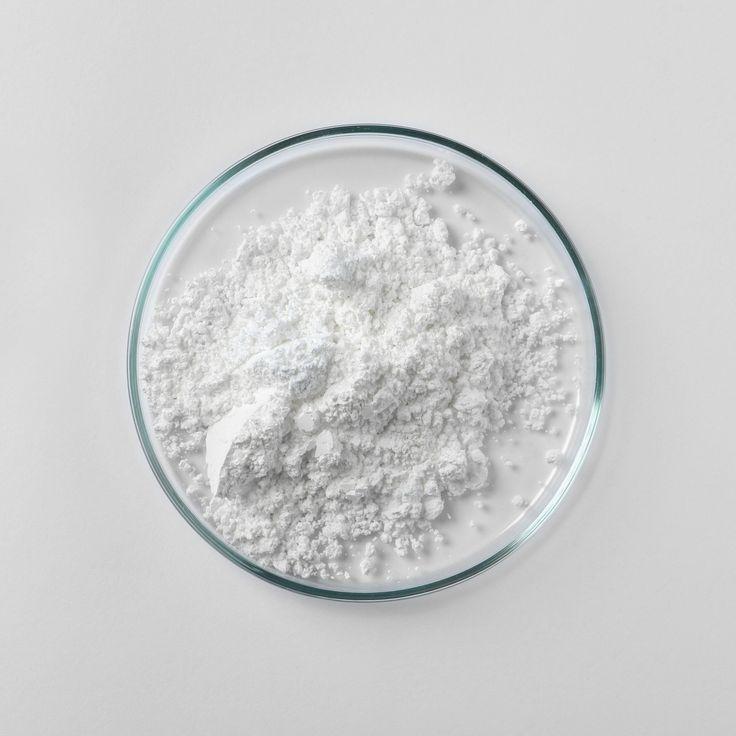
XJY-8206 vinyl MQ resin is supplied as white powder grades for reinforcing addition-cure silicone systems, including high-transparency and high-hardness silicone materials. XJY-8206N VMQ solution grades combine vinyl MQ resin with vinyl polydimethylsiloxane and are positioned for liquid addition-cure silicone, LED packaging adhesives, and related two-component addition adhesives. Formulators should select a grade only after matching the required vinyl level, viscosity, and processing route to the full formulation.
XJY-8207S/M Hydrogen MQ Resin
XJY-8207S/M hydrogen MQ resin contains reactive Si-H functionality and is available in powder and solution forms. XJY identifies it for special crosslinking, reinforcing, and tackifying roles, including silicone resin coatings. The correct grade and use level depend on the reactive balance and desired film properties.
For context on the protection requirements of circuit boards, read why silicone conformal coatings are applied to electronics. You can also review XJY’s broader electronic silicone application range and MQ silicone resin series.
A Practical Laboratory Screening Sequence
- Define the coating function, substrate, application method, cure schedule, and required film properties.
- Select the MQ functionality that matches the cure system: non-reactive structural modification, vinyl participation, or hydrogen crosslinking.
- Prepare a control and several resin levels using the same mixing, filtration, degassing, coating, and curing process.
- Record mix viscosity, pot life, wet-film behavior, cure response, film thickness, surface appearance, and adhesion.
- Test optical, mechanical, environmental, and electrical requirements on the actual substrate.
- Review the results as a balance. Do not optimize one property while ignoring cure completeness, flexibility, or process stability.
Frequently Asked Questions
Can MQ Silicone Resin Be Added to Any Electronic Coating?
No. Compatibility and cure chemistry must be checked first. An MQ resin designed for an addition-cure silicone system should not be assumed to work in an unrelated acrylic, polyurethane, epoxy, or moisture-cure formulation.
Is Powder or Solution MQ Resin Better?
Neither form is universally better. Powder offers more control over the carrier and resin level but needs effective incorporation. A solution may simplify mixing and clarity control, provided its carrier and viscosity match the formulation and application process.
Does a Higher MQ Resin Level Always Improve the Coating?
No. Resin level affects network structure, rheology, hardness, flexibility, adhesion, and appearance at the same time. Establish the optimum level through controlled formulation trials and end-use testing.
Discuss Your Electronic Coating Formulation with XJY Silicones
The most useful starting point is a clear description of your base polymer, cure chemistry, coating method, substrate, film thickness, and required performance. Contact XJY Silicones to discuss the appropriate MQ resin family or request a sample for laboratory evaluation.