 English
 Spanish
 French
 German
 Russian
 Japanese
 Korean
 Portuguese
Reliable demolding is essential to polyurethane footwear production.
A release system needs to help the sole separate from the mold while
supporting a consistent surface finish and subsequent manufacturing
steps. For release agent formulators, the quality of the release film
is therefore an important development priority.
XJY-RA-03 and XJY-RA-09 are methyl MQ silicone resin powders
for release agent formulation. They provide resin components that
formulators can combine with a suitable silicone fluid and carrier
system to develop mold release solutions for applications such as
PU shoe soles.
Why Use MQ Silicone Resin in a PU Shoe Sole Release Agent?
Silicone fluid contributes lubricity and spreading, while MQ silicone
resin helps strengthen the release film. Combining these functions
gives formulators a way to adjust film durability and release
behavior rather than relying on silicone fluid alone.
In its
release agent resin product information
,
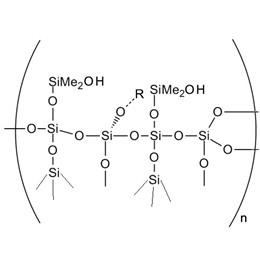
XJY describes MQ resin as a combination of monofunctional M units and
tetrafunctional Q units. This structure supports its use as a
film-strengthening component in silicone release formulations.
For footwear manufacturers, a useful development goal is a uniform
release layer that performs consistently throughout the intended
molding sequence. The result depends on the complete formulation
and the production conditions.
Benefits to Evaluate in Footwear Mold Release
A More Durable Release Film
MQ resin can reinforce a silicone oil film, making film durability
a key reason to include it in release agent development. Formulators
can investigate whether the resulting layer maintains effective
separation over the required production sequence.
Potential for Repeated Demolding
XJY identifies its RA resin family with high-temperature and
semi-permanent release applications. For PU shoe soles, repeated
demolding performance should be established through trials using
the actual mold, polyurethane system, and application method.
Reapplication intervals should follow those results.
Attention to Surface Appearance
A release agent also influences the surface presented by the molded
part. During trials, inspect the sole for uneven gloss, visible
deposits, texture changes, and release marks. Compare appearance
across consecutive parts rather than assessing only the first
successful demolding.
Compatibility with the Full Production Process
Footwear production often includes cleaning, bonding, painting, or
finishing after molding. These steps belong in the release agent
evaluation. A formulation that releases well must also meet the
requirements of the finished shoe.
Understanding XJY-RA-03 and XJY-RA-09
Both grades are listed as white MQ silicone resin powders on the
XJY-RA product page
.
They are formulation raw materials, so carrier selection and
preparation are part of developing the finished release agent.
When comparing XJY-RA-03 and XJY-RA-09, request the current technical
information for each grade and discuss your intended process with
XJY. Grade selection should reflect the required release behavior,
carrier compatibility, mold conditions, and surface finish.
Avoid treating powder resin grades and preblended resin–silicone
fluid products as interchangeable. Their preparation and formulation
requirements can differ.
How to Evaluate a Release Formulation for PU Shoe Soles
A structured trial helps separate formulation issues from application
or molding problems. Record the same process information for each
candidate so the results are comparable.
- Define the footwear material.
Identify the polyurethane system, sole construction, and required
surface appearance. - Check resin preparation.
Confirm that the resin is properly incorporated into the selected
carrier and silicone fluid system. - Control mold application.
Record spray coverage, application amount, drying time, and mold
temperature. - Assess consecutive molding cycles.
Observe release consistency, part appearance, and changes on the
mold surface. - Validate downstream operations.
Test cleaning, adhesive bonding, and finishing with the actual
production materials.
XJY’s
silicone release agent application guidance
notes that excessive release agent can contribute to poor adhesion
between soles and uppers. Application control is therefore an
important part of achieving both effective demolding and acceptable
bonding performance.
A Related Application: Amino Silicone Oil for Surface Shine
Beyond mold release, a suitable amino silicone oil can be evaluated
in shoe-material surface finishing to enhance shine and smoothness.
This is a separate finishing function from the mold-release role
of MQ resin.
Select the amino silicone grade for the specific leather, synthetic
material, or coating involved. Check gloss uniformity, color change,
rub resistance, and compatibility with later bonding or recoating
before adopting the treatment.
Frequently Asked Questions
What are XJY-RA-03 and XJY-RA-09?
They are methyl MQ silicone resin powders used as raw materials
in release agent formulations.
Can they be considered for PU shoe sole demolding?
Yes. XJY identifies polyurethane shoe soles as an application for
its silicone release resin systems. The finished formulation must
be evaluated under the intended molding conditions.
How do I choose between the two grades?
Share your polyurethane system, carrier, mold temperature, application
method, and release requirements with XJY. Compare suitable grades
through controlled production trials.
Will a silicone release agent affect sole bonding?
Excessive application or transferred residue can interfere with
downstream bonding. Validate the release amount and surface
preparation together with the actual adhesive system.
Is amino silicone oil used for the same purpose?
In this application discussion, amino silicone oil is considered
for surface finishing and shine. MQ resin is considered for
strengthening the mold-release film.
Discuss Your Footwear Release Requirements with XJY
Developing an effective PU shoe sole release agent starts with
matching the resin, carrier, and application process. Provide your
molding conditions, current release problems, and downstream bonding
requirements so the material discussion addresses the complete
production workflow.
Explore XJY-RA-03/09 and contact XJY about technical information
and sample availability.