
 English
  Spanish
  French
  German
  Russian
  Japanese
  Korean
  Portuguese
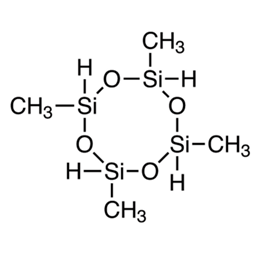
 Polymethylsilsesquioxanes are a family of silicone resins. Typical examples include cage-like POSS (polyhedral oligomeric silsesquioxane) and resin-type MQ silicone resins. They are built from a three-dimensional network of siloxane bonds (Si–O–Si), similar to the backbone of silica and the mineral sand that comes from the natural silicon–oxygen network found in the environment. On the outside of this inorganic core, different organic groups (methyl, phenyl, long-chain alkyl, PEG, etc.) are attached to tune their properties.
Because of this hybrid chemical structure, silsesquioxanes behave like bridge-building compounds between inorganic silica and traditional silicone oil. They keep the flexibility, low surface tension, and water repellent nature of silicones, but also provide the rigid skeleton needed to create films and powders with special texture and shine. In many silicone cosmetics, they are present as film-forming resins, spherical powders, or part of gels and emulsions.
Compared with simple linear polymers such as dimethicone, these silicone resins are highly branched and three-dimensional. For the same weight, they can carry more functional groups and more inorganic content, so they can act as powerful film formers, structuring agents, and dispersion aids in many cosmetic products and personal care formulations.
- Advantages of Silsesquioxane / MQ Silicone Resins
- Typical Uses in Skin Care and Hair Care Products
- Practical Tips for Formulators Working with Silicone-Based Cosmetics
- How to make cosmetic products better?
1. Advantages of Silsesquioxane / MQ Silicone Resins
(1) Tunable Film Formation: From Soft Veil to High-Hardness Coating
A key advantage of MQ silicone resins is their ability to form films with very different profiles. By adjusting the organic groups and molecular weight, formulators can achieve everything from a soft, flexible film on human skin to a hard, glossy coating on nails or hair.
These films provide:
Controlled hardness and flexibility, suitable for skin care, color cosmetics, nail coatings, and hair cosmetics.
Adjustable density, from breathable films that let moisture pass through the skin surface to more occlusive, water-repellent layers for long-wear cosmetics.
Strong adhesion and easy removal, essential for topical application on the face and body, where health and safety require that the product be formulated for both performance and gentle cleansing.
Compared with purely organic resins, silicone-based films from silsesquioxanes keep their integrity better when the skin is exposed to sweat, sebum, temperature changes, and the outdoor environment.
XJY-801 Polymethylsilsesquioxane
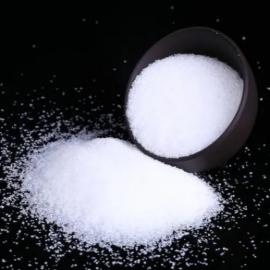
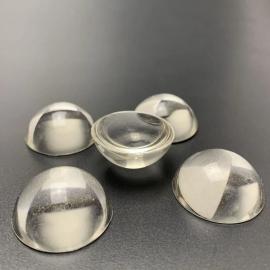
The polymer formed by methyl silsesquioxane is a kind of insoluble,non-melting trifunctional component of dense cross-linked curing resin. It combines the excellent chemical stability and heat resistance of inorganic powders with the advantages of polymer powders, providing a soft, silky, and creamy feel to the touch. It imparts lubricity, light diffusion, and water resistance to the application.

(2) Sensory Benefits: Lightweight, Smooth, “Soft-Focus” Feel
Owing to their low surface tension, these resins spread extremely well on the skin, hair, and nail surface. In many skin care products, moisturizers, creams, lotions, and skincare serums, they give a silky, non-greasy feel that consumers describe as “second skin”.
In color cosmetics such as foundations, BB/CC creams, and pressed powders, spherical polymethylsilsesquioxane improves slip and helps blur pores and fine wrinkles, giving a soft-focus effect. In hair products—for example, shampoo, conditioner, leave-in hair conditioners, and hair masks—these resins contribute to smooth combing, reduced friction, and healthy shine without a heavy build-up of oils.
For sensitive skin or acne-prone skin, this lightweight slip is especially valuable: silicone resins help create an even texture on the skin surface without clogging pores when properly formulated with non-comedogenic ingredients.
(3) Water-Repellent, Sweat-Resistant, and Long-Lasting
The Si–O–Si network and hydrophobic organic groups make MQ silicone resins highly water repellent. In skin care and color cosmetics, they act as the backbone of long-wear foundations, eyeliners, and lip colors, helping the film resist water, sweat and sebum over hours of wear.
In skin care products like sunscreens, they help hold UV filters on the skin surface, improving SPF performance after water immersion or perspiration. On hair, their water-repellent films help protect the fiber from humidity, so hair care products such as serums, conditioners, styling cream,s and hair masks keep curls defined and lengths smooth even in damp environments.
(4) Pigment Dispersion and Optical Control
For formulators, pigment and filler dispersion is a classic challenge. Silsesquioxane resins often act as surface treatment agents and dispersants for titanium dioxide, zinc oxide, and colored pigments in cosmetic products. They improve compatibility with oils, silicone oil, and other emollients, so pigment slurries stay stable and easy to process.
By controlling particle size and refractive index, silsesquioxane powders enable different optical effects—matte, soft-focus, satin, or high-gloss. This is why they are widely used in color cosmetics, from foundations and concealers to highlighters and blushers, and in hair cosmetics where they enhance light reflection and shine on the hair surface.
(5) Stability, Safety, and Mildness
Silicone resins have very good oxidative and thermal stability. In finished skincare products, this means the formula resists breakdown during storage and when exposed to air and light. Their nature as inert silicone-oxygen networks also contributes to low irritation and good tolerance on human skin, even for sensitive skin.
From a safety perspective, silsesquioxanes are built from silicon and oxygen, elements also found in natural sand and silica, though of course the final cosmetic compounds are carefully controlled industrial materials. When correctly used, they are considered non-toxic and cosmetic-grade, and they are often chosen for skincare aimed at the long-term health of the barrier.
They also show good compatibility with many other ingredients in formulation—from organic emollients and oils to polymers and UV filters—making them easy to integrate into modern silicone-based and hybrid systems.
2. Typical Uses in Skin Care and Hair Care Products
(1) Skin Care, Moisturizers, and Body Products
In skin care and personal care ranges, silsesquioxane resins are used in a wide variety of skincare products:
Facial moisturizers, lotions, creams, and body washes are designed to improve skin surface feel and reduce visible wrinkles.
Shower gels and body washes increase slip, foam creaminess, and water-repellent after-feel without leaving the skin greasy.
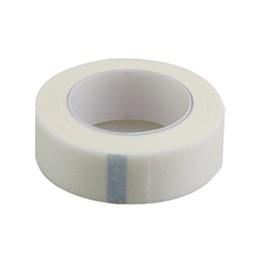
Intensive wound healing and scar reduction formulas where silicone gel or soft silicone adhesives form breathable, flexible films over a wound or healed scar. These topical silicone materials are a classic example of how silicone can protect human skin, reduce mechanical stress, and support a smoother appearance of scars.
For acne-prone skin, properly designed silicone cosmetics combine silsesquioxane with lightweight dimethicone and non-occlusive oils to minimize interference with pores while still improving texture and comfort. Such skincare formulas are usually formulated with a simple ingredients list, highlighting key cosmetic ingredients and ensuring consumers can easily see which compounds are present.
(2) Color Cosmetics and Makeup
In color cosmetics, silsesquioxane resins and powders are now widely used across many beauty products:
Long-wear foundations and concealers for topical application on acne scars or uneven tone.
Transfer-resistant lipsticks and lip creams, where silicone resins act as film formers and silicone adhesives to keep pigments in place on the skin surface.
Eye products such as eyeliners and mascaras must adhere to delicate skin yet resist tears, sebum, and moisture.
These materials help formulators achieve a combination of coverage, comfort, and durability that is difficult with purely organic resins. As a result, many modern cosmetics and beauty products list them on the ingredients list alongside more familiar names like dimethicone and silicone oil.
(3) Hair Care Products and Hair Cosmetics
In the area of hair care products, silsesquioxane-based silicone resins are used in many different types of formulas:
Cleansing products such as shampoo, 2-in-1 shampoo-conditioner systems, and shower gels, where they improve foam texture and wet combing.
Hair conditioners, leave-in sprays, serums, and hair masks protect the hair shaft, smooth cuticles, and enhance shine.
Styling products in hair cosmetics, like gels and sprays, form flexible films that hold the style while keeping hair soft.
Because of their unique properties and good compatibility with surfactants, polymers, and other ingredients, these silicone resins are ideal for hair products that must work on different types of hair—from fine and straight to curly and coily—without causing heaviness or irritation.
Body-wash-plus-hair products (2-in-1 body and hair care products) also benefit from silsesquioxanes, which help achieve both skin conditioning and hair conditioning in a single formulation.
3. Practical Tips for Formulators Working with Silicone-Based Cosmetics
Define the target benefit first
Decide whether the main goal is long-wear makeup, improved texture, enhanced shine, or barrier protection. Then pick the silsesquioxane type (powder vs. resin, soft vs. hard) that best fits the desired performance in skincare or hair care products.
Balance silicone with organic components
Silicone resins work best in combination with organic film formers, oils, and humectants. A balanced system allows you to achieve both performance and a “natural” feel on human skin, even when the formula is clearly silicone-based.
Consider safety and irritation
Always evaluate safety and potential irritation on sensitive skin and acne-prone skin. Cosmetic-grade silsesquioxanes are designed to be non-toxic, but the finished product must be tested as a whole, especially when intended for wound healing, scar reduction, or topical application to compromised skin.
4.How to make cosmetics products better?
In summary, silsesquioxane and MQ silicone resins bring a powerful combination of film-forming ability, low surface tension, water-repellent performance, and elegant sensory feel to today’s silicone cosmetics, skin care products, and hair care products. Their unique properties and versatility make them key building blocks for next-generation cosmetics, from basic lotions and moisturizers to advanced wound healing silicone gel and high-performance color cosmetics.
XJY Silicones is one of the leading silicone MQ resin and VMQ silicone manufacturers in China, with more than 30 years of R&D and manufacturing experience in the silicone industry, as well as more than 15 related patents and technical support. Our silicone raw material products can meet the needs of the silicone cosmetics field and support the provision of diversified customized solutions.


_1-1.jpg)