
 English
  Spanish
  French
  German
  Russian
  Japanese
  Korean
  Portuguese
 Why Are Coatings, Adhesives, and Electronic Materials Failing Under Heat and Weather Exposure?
Many manufacturers struggle with cracking coatings, weak adhesion, poor weather resistance, and unstable performance after long-term heat exposure. Traditional organic polymers often degrade under UV light, moisture, or extreme temperatures, creating expensive product failures and customer complaints. The solution is increasingly found in silicone resin, a hybrid organic-inorganic material designed for thermal stability, flexibility, durability, and long service life. From industrial coatings to pressure-sensitive adhesives, modern industries rely on advanced methyl vinyl MQ resin systems to improve performance while maintaining processing efficiency.
Silicone resin is widely used because it combines excellent heat resistance, weather durability, flexibility, adhesion, and chemical stability in one material. Advanced MQ structures, including methyl vinyl MQ resin, provide strong compatibility with silicone systems, making them ideal for coatings, adhesives, sealants, electronics, and high-performance composite materials.
As industries demand lighter, stronger, and longer-lasting materials, the role of silicone technology continues to expand. Understanding the structure, types, and advantages of silicone resin can help manufacturers, OEM brands, and industrial suppliers choose more reliable material solutions for modern applications.
Key Features of Silicone Resin
Exceptional Heat Resistance
One of the most important advantages of silicone resin is its outstanding thermal stability. Unlike many traditional organic polymers, silicone-based materials maintain their structural integrity even under prolonged exposure to high temperatures. MQ silicone structures contain highly crosslinked inorganic siloxane frameworks that resist thermal degradation and oxidation. This makes them highly suitable for industrial coatings, automotive systems, electronic encapsulation, and heat-resistant adhesives.
Excellent Weatherability and UV Stability
Outdoor applications require materials capable of surviving sunlight, humidity, oxygen, and temperature fluctuations. Silicone resin provides excellent UV resistance and long-term weather durability because the Si–O backbone possesses higher bond energy compared with carbon-based polymers. As a result, silicone coatings and sealants show reduced yellowing, cracking, and surface degradation even after years of outdoor exposure.
Superior Compatibility and Flexibility
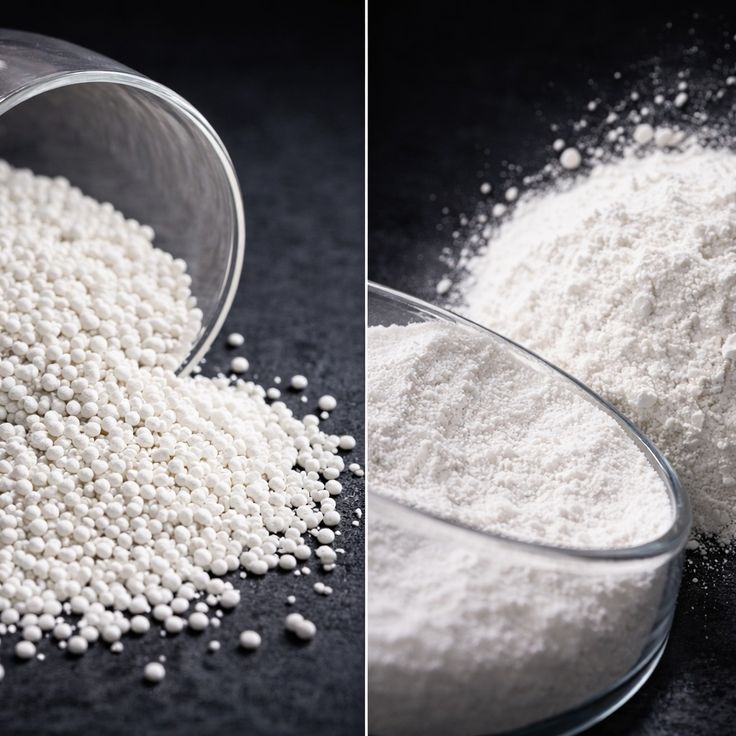
Modern MQ copolymers exhibit strong compatibility with PDMS and other silicone materials. This characteristic allows manufacturers to formulate flexible systems with excellent adhesion and controlled rheology. Depending on the M/Q ratio, products can range from viscous liquids to solid powders. High-performance methyl vinyl mq resin grades are especially valued in pressure-sensitive adhesives and silicone elastomers because they improve mechanical strength while preserving flexibility.
Nanostructured Hybrid Properties
MQ silicone materials are considered advanced organic-inorganic hybrid nanomaterials. Their molecular architecture typically contains a rigid inorganic core surrounded by organic functional groups. This unique “molecular composite” structure enables silicone resins to function simultaneously as reinforcing fillers, polymer matrices, and plasticizing agents within the same system. Such multifunctionality contributes to excellent mechanical balance and processing performance.
Types of Silicone Resin
MQ Silicone Resin
MQ silicone resin is one of the most commercially successful silicone hybrid materials. It consists mainly of monofunctional M units and tetrafunctional Q units. The highly branched structure provides hardness, thermal stability, and excellent film-forming ability. MQ resins are commonly used in coatings, cosmetics, release systems, adhesives, and electronic materials.
Methyl Vinyl MQ Resin
Methyl vinyl mq resin contains reactive vinyl functional groups that improve crosslinking capability within silicone formulations. This type of resin is widely used in pressure-sensitive adhesives, addition-cure silicone systems, and high-performance elastomers. Vinyl functionality also enhances compatibility with platinum-catalyzed curing systems, making it ideal for advanced industrial applications.
XJY-8206 Vinyl methyl silicone resin is a polycondensate from four functional group siloxane(Q) and one functional group methyl siloxane(M), the molar mass is generally 2500-5000g/mol, the molecular structure of M and Q chain ratio, and the structural nature of the M decision resin applications.
Silicone polymers and silicone compounds made by VMQ material can provide a wide temperature range resistance, abrasion resistance, weather resistance, compression set resistance, UV radiation resistance, and other physical properties. And it does no harm to human bodies; therefore, it can be applied in the automotive industry, medical, and food industry.
Methyl Silicone Resin
Methyl silicone resins mainly contain methyl-substituted siloxane units. These materials are valued for excellent thermal stability, hydrophobicity, and electrical insulation properties. They are frequently used in heat-resistant paints, insulation coatings, and protective industrial finishes.
XJY-8205 MQ resin(Silicic acid, sodium salt, reaction products with chlorotrimethylsilane and iso-Pr alc.) is a co-hydrolysis product of tetraalkoxy silane (Q unit) and trimethylalkoxy silane (M unit).
MQ resin is widely used in personal care, adhesives, defoamers, and waterproofing agents, and with good high demolding power in release agents for polyurethane processing.
Phenyl Silicone Resin
Phenyl-modified silicone resins provide enhanced low-temperature flexibility and improved compatibility with organic polymers. They are widely used in aerospace coatings, specialty electronics, and high-performance composite materials requiring both durability and environmental resistance.
XJY-8010 is a silicone resin with a hydroxyl functional group, which is used in high-temperature-resistant powdered liquid coatings. The primary characteristic of silicone resin is that it has excellent heat resistance and won’t decompose at 200℃ or even higher temperatures. it can be used for heat-resistant paint production with H heat-resistant insulation.
Why Use Silicone Resin?
Improved Product Reliability
Manufacturers across the automotive, electronics, construction, and energy industries increasingly choose silicone resin because it improves long-term product reliability. Its resistance to heat, moisture, UV exposure, and oxidation reduces maintenance costs and extends service life. This directly benefits OEM manufacturers seeking higher-quality finished products.
Versatile Industrial Applications
The versatility of silicone resin technology allows its use in multiple sectors. Applications include pressure-sensitive adhesives, anti-stick release coatings, durable paints, electrical insulation, encapsulation materials, composite binders, and silicone rubber reinforcement. Advanced formulations from experienced China Manufacturer and suppliers can also be tailored for highly specialized industrial environments.
Customizable Formulation Options
Modern industrial customers often require Customizable solutions for unique performance targets. Silicone resin systems can be engineered with different molecular weights, functional groups, viscosities, and curing behaviors. Professional Wholesaler and OEM/ODM suppliers can adjust formulations according to coating hardness, adhesion strength, flexibility, or thermal resistance requirements.
Advanced Manufacturing Advantages
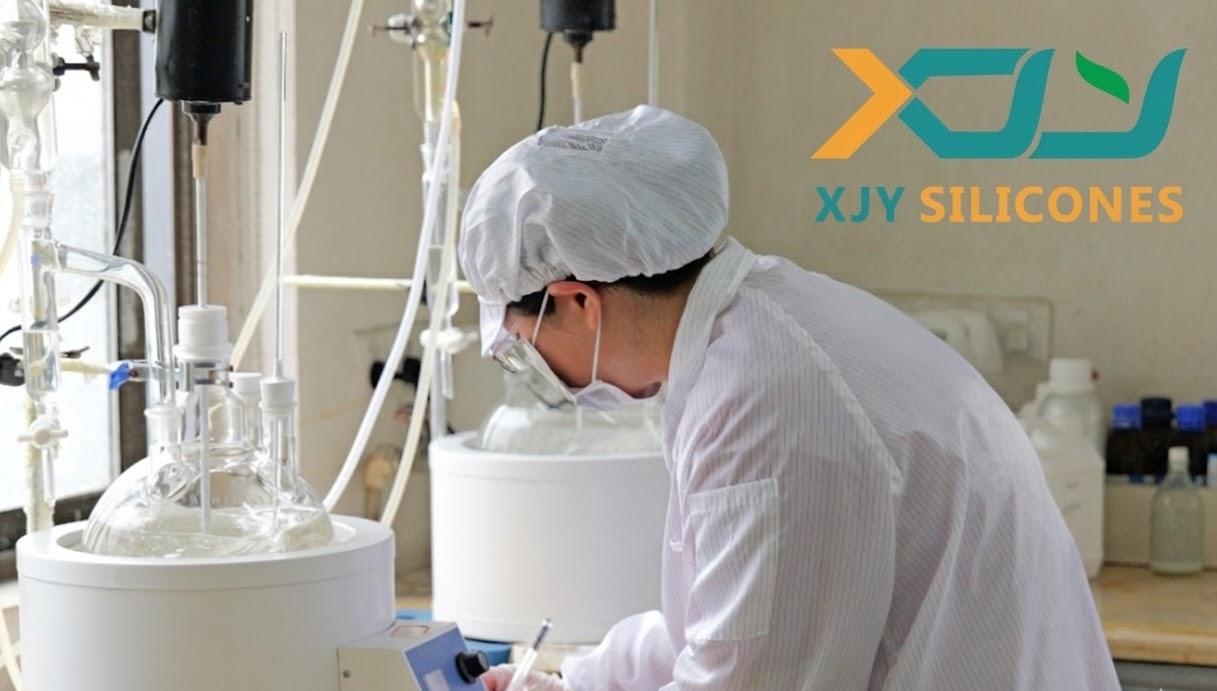
Continuous improvements in silicone resin synthesis have significantly enhanced product uniformity and performance consistency. Modern active-medium polycondensation methods reduce structural defects and improve control of M/Q ratios. This results in stable nanostructured materials with superior processing characteristics. Companies such as XJYSilicones continue to develop advanced silicone resin technologies for demanding global industrial markets.
Cost Efficiency Through Durability
Although high-performance silicone materials may initially cost more than conventional polymers, their long operational lifespan often reduces overall lifecycle costs. Reduced failure rates, lower maintenance frequency, and enhanced environmental resistance create significant long-term value for industrial users.
Conclusion
Silicone resin offers an exceptional balance of durability, thermal stability, flexibility, and chemical resistance. From methyl vinyl MQ resin adhesives to advanced industrial coatings, these hybrid materials continue to support innovation for manufacturers, suppliers, OEM brands, and global industrial applications.


_1-1.jpg)