 English
  Spanish
  French
  German
  Russian
  Japanese
  Korean
  Portuguese
 In many industrial processes, foam is not only a surface problem. For coating, textile auxiliary, wastewater treatment, paper, metalworking, and additive manufacturers, uncontrolled foam can slow production, reduce product quality, overflow equipment, and create coating defects. The wrong silicone defoamer resin may break foam quickly but lose effectiveness too soon, or it may cause poor dispersion in aqueous systems. The solution is selecting a resin-based silicone antifoam material according to foam type, process temperature, dosage, emulsions, and long-term foam control targets.
A resin-based silicone defoamer is used for foam control in industrial applications. It combines silicone resin, oils, emulsifiers, and hydrophobic solids to break the foam film, decrease foam formation, and provide efficient antifoaming performance at low concentrations.
This selection guide helps manufacturers compare XJY powder MQ resin, liquid MQ resin, and MDT silicone oil for silicone defoamer formulations. Match resin structure with the real foam problem in your production line, instead of choosing one “strongest” grade and hoping it behaves.
What Is a Resin-Based Silicone Defoamer?
A resin-based silicone defoamer is a functional additive used for controlling foam in water based, solvent based, and non-aqueous systems. It contains polysiloxanes, oils, particles, emulsifiers, and carriers. Because silicone has low surface tension, the active material can spread on bubble surfaces, enter the foam film, and destroy bubbles before they affect the process.
Compared with simple oil based defoamers, resin-modified defoamers can offer better stability and longer foam control. Silicone based defoamers are commonly delivered as liquid oils, emulsions, or compounded concentrates. In aqueous systems, emulsions help the active phase contact the foaming medium more evenly.
How Does Silicone Antifoam Work?
Silicone antifoam works through a physical mechanism. The active phase has very low surface tension and limited solubility in the foaming medium. When it reaches the foam film, it spreads rapidly and helps gas escape. Hydrophobic solids improve bubble rupture and effectiveness.
Good silicone antifoam should be insoluble enough to attack foam, but dispersible enough to move through the system. This balance makes surfactants and emulsifiers important. If emulsions are too stable, the active phase may not contact foam efficiently; if too unstable, storage separation may occur before customers use the stock material.
Key Features of XJY Silicone Defoamer Materials
XJY materials are specifically designed for defoaming properties, foam suppression, and formulation flexibility. A good silicone antifoam should reduce foam at low concentrations while maintaining control during mixing, pumping, coating, filling, or wastewater treatment, especially in many applications where foam returns after the first collapse.
Methyl MQ resin provides hydrophobicity, film-forming behavior, and broad temperature resistance. These features make it suitable for defoamers used in coatings, waterproof materials, electronic protection, textile processing, and various industries. In paints and coatings, the right silicone defoamer can help prevent surface defects without hurting gloss when properly formulated.
How to Choose XJY Grades for Silicone Defoamer Manufacturing
XJY-6010 / 6011 / 6012 Powder MQ Resin
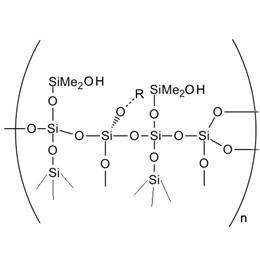
XJY-6010, XJY-6011, and XJY-6012 are powder methyl MQ resin grades for manufacturers who want formulation freedom. Choose XJY-6010 for balanced defoaming, cohesion, weather resistance, and film formation; XJY-6011 for thickening, anti-foaming support, waterproofness, and easier emulsification; and XJY-6012 for rapid foam knockdown, strong thickening, and high temperature performance.
XJY-6310 / 6311 Liquid MQ Resin
XJY-6310 and XJY-6311 are liquid MQ resin options for easier processing. XJY-6310 offers balanced liquid resin performance, while XJY-6311 has higher molecular weight, stronger adsorption, better thickening, and longer foam suppression. They are an excellent candidate for customers who want less powder dispersion work.
XJY-6210 MDT Silicone Oil
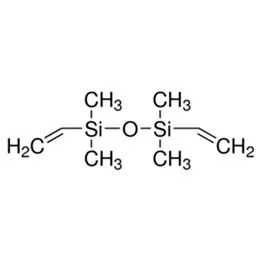
XJY-6210 is an MDT silicone oil for defoaming agents and waterproof materials. It can be combined with MQ resin, mineral oil, carriers, surfactants, and emulsifiers when customers need a liquid component for efficient foam control rather than a resin-only structure.
Silicone Defoamers vs Mineral Oil and Other Defoamers
What can be used as a defoamer? Common choices include silicone defoamers, mineral oil defoamers, vegetable oils, polyether defoamers, and other oil based defoamers. Mineral oil is often used when low cost and compatibility are more important than extreme efficiency. However, mineral oil may require higher dosage and may be less effective in difficult foam control conditions.
Silicone defoamers are often selected because they work at low concentrations, offer strong spreading ability, and can remain effective across acidic or alkaline environments. However, certain applications may prefer non-silicone defoamers to avoid contamination, such as specific painting, printing, or high-purity processes. The correct antifoaming agent depends on the medium, surfaces, process, and final product quality requirements.
What Is Silicone Defoamer Used For?
Silicone defoamers are used in the chemical industry to manage foam, in textile processing for stable foam control, in wastewater treatment and water processing to reduce overflow, and in pulp and paper manufacturing to reduce foam during pulp processing. They are also used in food processing to curb foaming, in metalworking fluids to enhance performance, and in paints and coatings to ensure smooth application.
Beyond large industrial processes, silicone antifoam can appear in detergents, cleaning products, carpet extractors, and recovery tank applications where foam can disturb equipment performance. Buyers should test dosage, compatibility, and storage stability before scale-up.
FAQ About Silicone Antifoam and Defoamers
Is silicone an anti foaming agent?
Yes. Silicone can be used as an anti foaming agent when formulated into oils, emulsions, or concentrates. In most industrial uses, the finished silicone antifoam is a formulated product, not pure silicone alone.
Is silicone anti-foaming agent safe?
A silicone antifoam should be evaluated according to its application, regulatory requirements, SDS, and dosage. Industrial, coating, food, and water based systems may require different compliance checks. Operators should wear suitable gloves and follow the safety data sheet.
What dosage is sufficient?
The right dosage depends on foam intensity, medium chemistry, temperature, equipment shear, and formulation stability. Many silicone defoamers work at low concentrations, but laboratory screening is generally needed before production scale-up.
Summary
XJY supplies resin and oil materials for silicone defoamer manufacturing, including powder MQ resin, liquid MQ resin, and MDT oil. Choose by foam problem, process medium, required persistence, emulsification behavior, and industrial application needs. For a suitable grade, contact XJY with your formulation target.