 English
  Spanish
  French
  German
  Russian
  Japanese
  Korean
  Portuguese
 In the highly demanding world of advanced manufacturing, the materials used must withstand extreme environments without compromising performance. For industries ranging from electronics packaging to aerospace engineering, silicone pressure-sensitive adhesives have become the gold standard. Among these, the platinum-cured silicone psa stands out as an elite solution, offering exceptional reliability, safety, and operational efficiency.
This comprehensive guide explores the chemistry, market dynamics, testing metrics, and unmatched benefits of silicone pressure-sensitive adhesives, with a specific focus on the revolutionary platinum cure technology.
The Market Landscape: A Surging Demand in Asia
The global adhesives market is vast, but the niche for high-performance tapes is highly specialized. Currently, the global demand for tapes made with a silicone psa is estimated at 63 million square meters. While this represents less than 1% of the total tape production in the non-packaging segment, its strategic importance cannot be overstated.
The most exciting growth is occurring in the East. The consumption of silicone adhesive tapes in Asia is growing at more than 10% per year, significantly outpacing other adhesive types. A primary driver of this boom is the shift toward platinum cure technology. Platinum-catalyzed silicone PSAs are experiencing massive growth in Asia due to their ability to cure at lower temperatures and avoid the generation of peroxide byproducts, aligning perfectly with the region’s push for greener, more efficient electronics manufacturing.
What Are Silicone Pressure-Sensitive Adhesives?
Unlike standard acrylic or rubber-based adhesives, silicone pressure-sensitive adhesives are formulated using an inorganic-organic hybrid structure. They primarily consist of two components:
Silicone Polymer (Gum): Provides the flexibility, wetting capability, and baseline adhesion.
MQ Silicone Resin: Acts as the tackifier, providing mechanical strength and heat resistance.
These components work together to dictate the overall psa properties. When formulated correctly, a silicone psa can wet out and bond to notoriously difficult low-surface-energy substrates, such as fluoropolymers and untreated polyolefins.
Platinum Cure vs. Peroxide Cure Systems
To transform the raw silicone blend into a functional cured adhesive, a chemical crosslinking process must occur. The industry generally utilizes two distinct methods to achieve this cure.
The Traditional Peroxide Cure
Historically, manufacturers relied heavily on BPO (benzoyl peroxide) to initiate the cure. However, curing the peroxide-catalyzed silicone pressure-sensitive adhesive is a two-stage process requiring a multi-zoned oven. The first zone handles solvent removal, and the subsequent zones require high heat to trigger the crosslinking. This process generates acidic byproducts that can occasionally interfere with sensitive electronic components.
The Platinum Cure Advantage
In contrast, the platinum cure (also known as an addition cure) relies on a noble metal catalyst. Platinum-catalyzed silicone PSAs can be cured in a single-zone oven at lower overall temperatures (typically 100-150°C). Because the platinum-catalyzed reaction occurs seamlessly as the solvent evaporates, it proceeds entirely without the generation of byproducts.
Furthermore, platinum cure systems are highly versatile. Platinum cure PSAs can be formulated without solvent and still exhibit similar performance to solvent-based dimethyl adhesives, making them incredibly environmentally friendly.
Key Advantages of a Platinum Cured Silicone PSA
Transitioning to a platinum-cured silicone psa offers several transformative benefits for tape converters and end-users alike:
Unmatched Temperature Resistance: A premium silicone psa delivers outstanding temperature resistance. These adhesives are heavily utilized in specialized tapes for high-temperature applications above 150°C, where organic adhesives completely fail. Whether exposed to elevated temperatures in automotive paint ovens or the extreme cold of aerospace applications, their temperature resistance remains stable. They maintain flexibility and tack even at extremely low temperatures.
Superior Mechanical Properties: Studies show that platinum-cured silicones have better tensile strength and better elongation properties than peroxide-cured silicones. This structural integrity gives the cured adhesive excellent cohesive strength, preventing the adhesive from splitting under stress.
Flawless Clean Removability: Because the platinum cure reaction is highly efficient and leaves no unreacted small molecules, the adhesive leaves zero residue. This clean removability is critical for optical displays and semiconductor protection films.
Mastering Release Force and Peel Adhesion
When engineering a tape or protective film, balancing peel adhesion and release force is the ultimate challenge for any formulator.
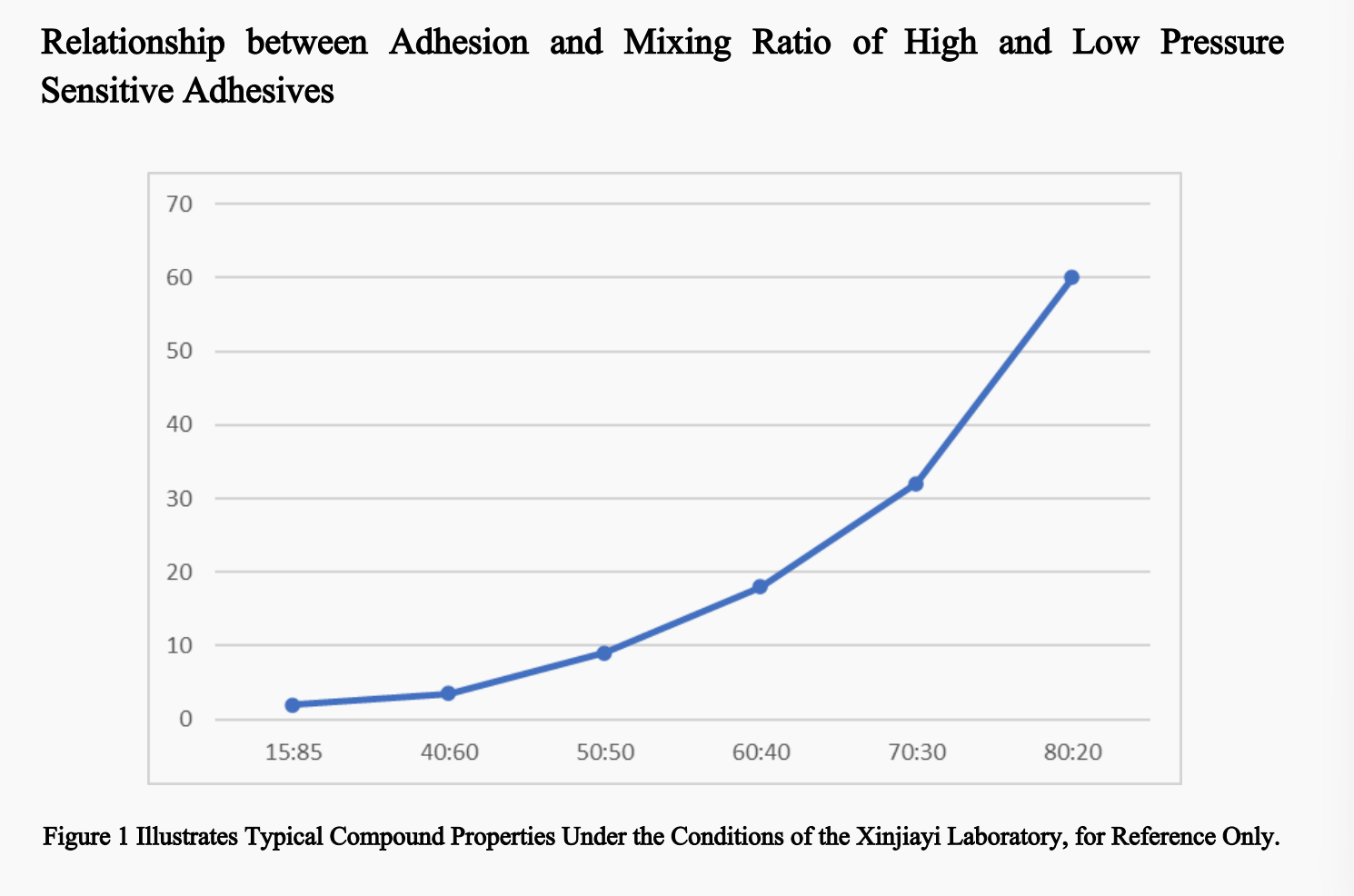
Peel adhesion measures the strength of the bond between the adhesive and the target substrate. While strong adhesion is required to keep the tape in place, it must be balanced so the tape can be removed later. By adjusting the ratio of MQ resin to silicone polymer, formulators can dial in the exact peel adhesion required for the application.
Equally important is the release force. The release force is the amount of effort required to separate the adhesive from its backing or from release liners.
If the release force is too low, the tape might unroll prematurely during storage.
If the release force is too high, the tape could tear during automated dispensing.
A stable release force ensures that the tape performs consistently regardless of its age or environmental exposure.
In a platinum-cured silicone psa, the release force remains remarkably stable over time because the cure network is completely locked in. Maintaining a predictable release force profile is why manufacturers of premium electronics films heavily favor the platinum cure over older technologies. Testing the release force rigorously ensures high-speed factory lines do not encounter jams or defects.
Critical Formulation Factors and Curing Conditions
While a platinum-cured silicone psa offers superior performance, it requires meticulous handling during the manufacturing process to ensure a proper cure.
One distinct disadvantage of platinum-cured PSAs is that the platinum catalyst is highly sensitive to environmental contaminants. Contact with sulfur, tin, or amines can permanently poison the platinum catalyst, which will severely impede or completely halt the curing process. Clean manufacturing environments are strictly required.
The speed of the cure is also highly customizable. While the platinum cure can technically begin at room temperature, industrial heat between 120° and 200°C is used to accelerate and precisely control this process. Formulators must also add specific inhibitors before adding the platinum catalyst. These inhibitors stall the cure at room temperature, extending the pot life of the mixture. Once in the oven, the heat releases the inhibitor, allowing the catalyst to initiate rapid crosslinking. Adjusting the catalyst level and inhibitor ratio is the key to optimizing line speeds and achieving maximum cohesive strength.
Primary Applications for Silicone PSAs
Because of their unique psa properties, silicone pressure-sensitive adhesives are the materials of choice for a variety of demanding industrial sectors:
Masking Tapes: High-performance masking tapes are essential in powder coating, e-coating, and printed circuit board (PCB) manufacturing. A silicone psa allows these masking tapes to survive harsh chemical baths and baking cycles without shrinking or losing adhesion.
Electrical Insulation: In transformers, generators, and heavy-duty cabling, electrical insulation is a matter of safety and functionality. Tapes backed with Polyimide or fiberglass and coated with a silicone pressure-sensitive adhesive provide reliable electrical insulation and excellent temperature resistance under continuous thermal load.
Medical and Healthcare: Gentle silicone tapes are used for wound care and wearable medical devices because they offer strong adhesion to the skin but can be removed painlessly due to their easily adjusted release force.
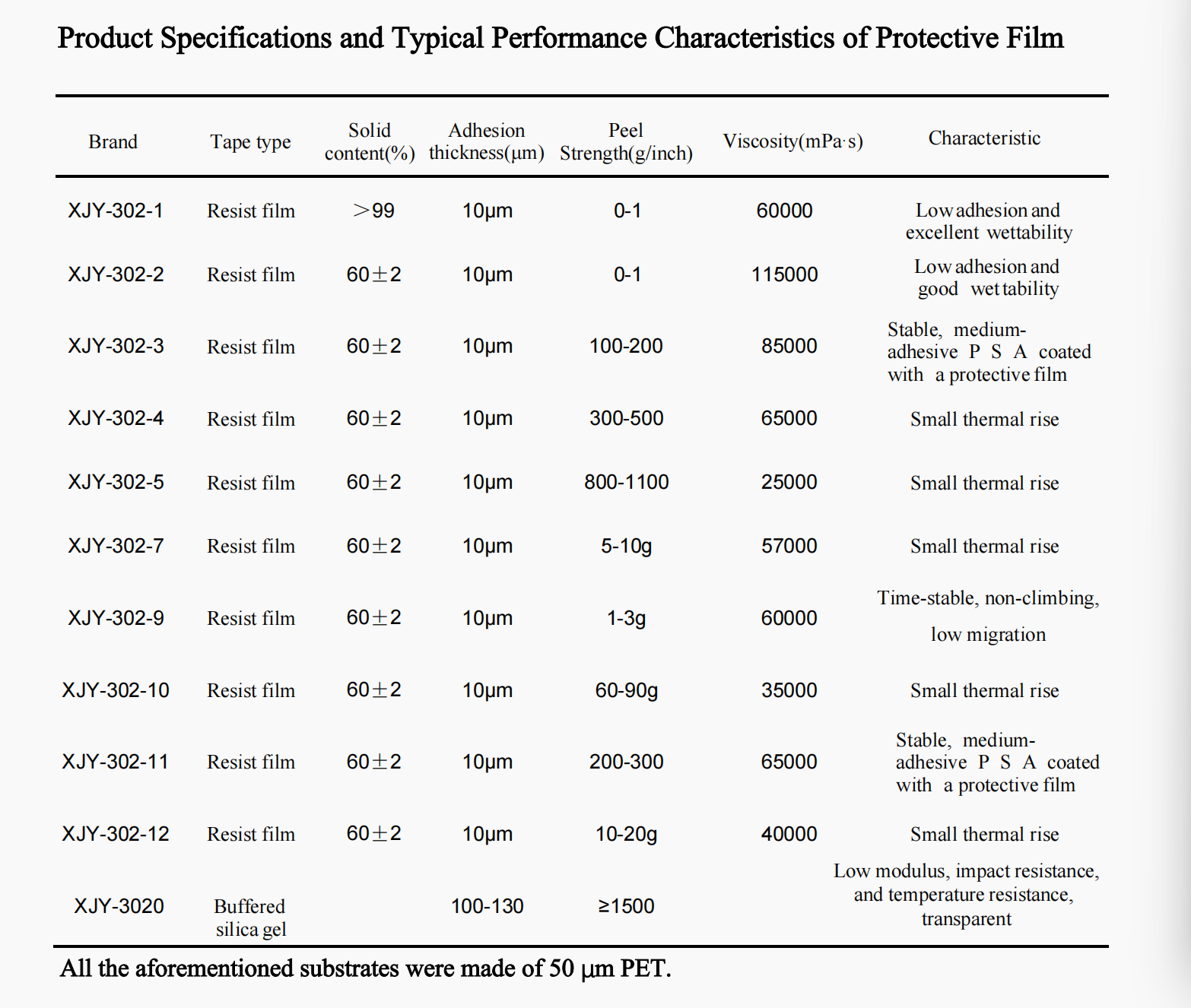
The XJY-302 Platinum Cure Solution
Navigating the complexities of temperature resistance, release force, and clean processing requires a reliable material partner. The XJY-302 platinum-cured silicone psa series is meticulously engineered to address these modern manufacturing hurdles.
By leveraging high-purity MQ resins and optimized silicone polymers, the XJY-302 series offers unparalleled clean removability and stable peel adhesion. It cures efficiently at lower temperatures, saving energy while maximizing cohesive strength. Whether you are converting high-grade masking tapes or delicate display protection films, our platinum cure technology guarantees that your products will perform flawlessly under pressure.
Why choose XJY Silicones
The shift toward platinum-cured silicone psa technology is not just a trend; it is a fundamental upgrade in material science. By eliminating acidic byproducts, improving cohesive strength, and offering stable release force and clean removability, the platinum cure process sets a new benchmark. As the demand for high-tech silicone pressure-sensitive adhesives continues to rise—especially in the booming Asian market—mastering this technology will be the key to staying competitive in the advanced adhesive landscape.