 English
  Spanish
  French
  German
  Russian
  Japanese
  Korean
  Portuguese
 Hydrogen buildup in sealed systems is a quiet but serious threat to batteries, electronic components, nuclear equipment, and many storage containers. Traditional metal powders and organic getters can remove hydrogen, but they are often brittle, hard to process, and difficult to integrate into real hardware. Vinyl polysiloxane and methyl vinyl silicone change this picture.
By combining silicone rubber flexibility with reactive vinyl groups, these materials can be formulated as pastes, elastomers, or foams that both seal and continuously scavenge hydrogen. This introduction outlines why vinyl silicone composites are emerging as a next-generation safety functional material for demanding industrial applications.
- Why Hydrogen Is a Hidden Risk in Closed Systems
- Concept of Vinyl Polysiloxane Hydrogen Getter Materials
- Advantages of Vinyl Polysiloxane and Vinyl Silicone from a Raw-Material Perspective
- Application Scenarios and Development Directions for Silicone Suppliers
- Vinyl Polysiloxane and Vinyl Silicone Composites as a New Class of Safety Functional Materials
- Why choose methyl vinyl silicone?
1. Why Hydrogen Is a Hidden Risk in Closed Systems
In battery modules, electronic components, nuclear fuel assemblies, and many other sealed systems, hydrogen is often generated slowly over time through water radiolysis, corrosion, or side reactions with chemicals, metals, and oxygen. If the concentration is not controlled, hydrogen can:
form flammable or explosive mixtures with air
Accelerated metal hydrogen embrittlement
shorten the service life and reliability of equipment
Conventional hydrogen getters usually fall into two main categories:
Metal/alloy getters
High capacity but often require elevated temperatures to activate, have high density, and limited processing options.
Low-molecular organic getters
High reactivity, but typically powders or low-boiling liquid substances that must be supported on a separate carrier. They can migrate, volatilize, or crumble during long-term use.
These traditional materials often struggle to provide structural support, flexible sealing, and long-term use hydrogen control at the same time. This creates an opportunity for silicone compounds based on polysiloxane, which combine rubber-like elasticity and thermal stability with molecular design freedom to introduce functional vinyl groups, such as in methyl vinyl silicone.
2. Concept of Vinyl Polysiloxane Hydrogen Getter Materials
Based on recent literature, a vinyl polysiloxane hydrogen getter can be understood as follows:
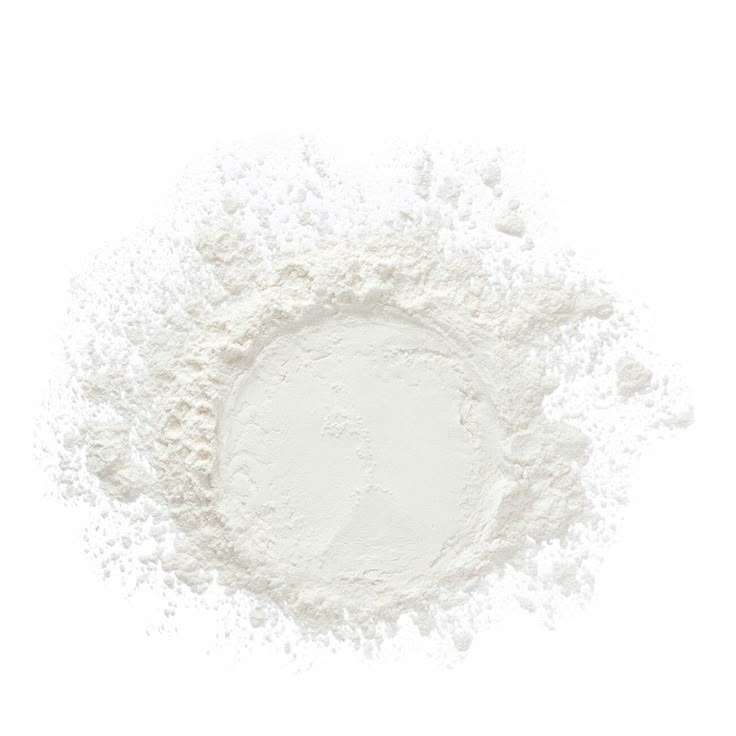
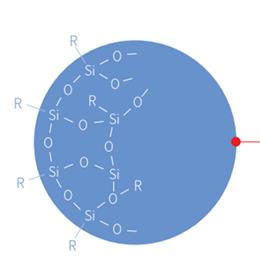
The backbone is a methyl vinyl silicone oil or vinyl polysiloxane, where the vinyl content and molecular weight are adjusted to control activity and rheology. These polymers contain methyl and vinyl groups along the chain, similar in chemistry to methyl vinyl silicone rubber used in high-temperature silicone rubber products.
When mixed with Pd/C or other reinforcing agent–type noble metal catalysts, the vinyl groups add hydrogen under mild conditions, chemically binding gaseous hydrogen inside the polymer network and giving high resistance to hydrogen build-up.
By adding Si–H crosslinkers and platinum catalysts, the flowing vinyl polysiloxane can further cure into a vulcanized elastomer, coating, or foam via molding or extrusion, delivering an integrated material that provides both structure and hydrogen-scavenging functionality.
In this design, the polysiloxane itself is not just an inert carrier. It provides:
a stable silicone backbone for long-term sealing, electrical insulation, and cushioning of electronic components
Distributed vinyl sites that react with hydrogen in the presence of a catalyst
a flexible three-dimensional network that maintains integrity under thermal cycling, heat, moisture, ozone, and mechanical stress
Overall, vinyl polysiloxane hydrogen getters are able to continuously reduce hydrogen concentration in sealed volumes while maintaining mechanical and chemical stability in demanding environments.
3. Advantages of Vinyl Polysiloxane and Vinyl Silicone from a Raw-Material Perspective
3.1 Tunable Vinyl Content for Different Applications
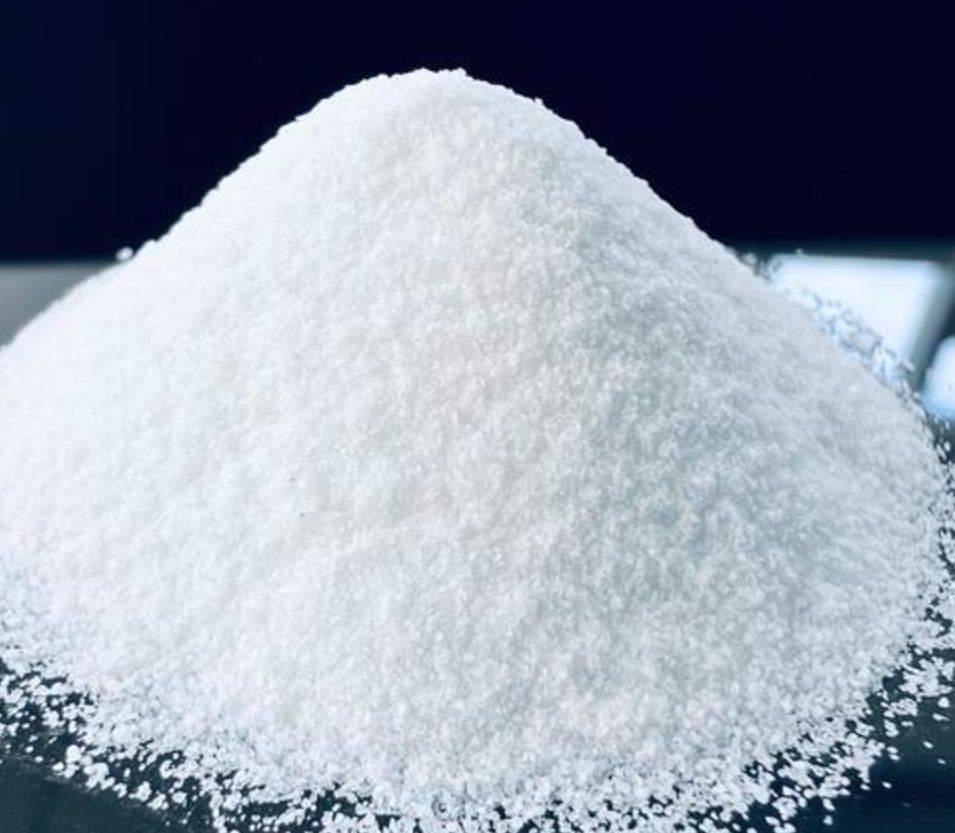
By varying the ratio of vinyl-functional monomers during production, suppliers can adjust:
vinyl group density, which influences hydrogen uptake potential and reaction rate
chain flexibility and crosslink density, which influence diffusion paths, tensile strength, and tear strength
This allows silicone raw-material manufacturers to offer multiple grades of vinyl silicone and vinyl polysiloxane:
higher-vinyl, softer grades for fast hydrogen removal in static applications and electronics
medium-vinyl, more tightly crosslinked grades for long-term use, slow-release hydrogen control in nuclear or automotive systems
Formulators can design the formulation to match the required hardness, range of service temperatures, and environmental resistance properties.
3.2 Silicone Backbone: Heat, Weather, and Durability
The Si–O–Si backbone of silicone provides intrinsic advantages that are already well known from silicone elastomers, liquid silicone rubber, and other silicone rubber systems:
excellent weather resistance, ozone resistance, and excellent resistance to many acids, oils, and chemicals
heat-resistant performance at high temperatures while remaining flexible, giving high resistance to thermal shock
good volume resistivity and dielectric properties, making these materials ideal for insulation in electronics and coatings
Compared with many organic rubbers that show good abrasion resistance but may crack or harden, silicone is generally chosen when high resistance to heat, moisture, oxygen, and UV is more critical than wear; any poor abrasion resistance can be compensated by design, since hydrogen getters are usually internal, static applications.
The same backbone chemistry that makes methyl vinyl silicone rubber and liquid silicone rubber popular in construction, food industry, medical, and automotive sealings also benefits vinyl polysiloxane hydrogen getters: stable properties, wide operating temperature range, and reliable long-term use.
3.3 Vinyl Silicone Composites: Structure and Function in One Material
In real devices, vinyl silicone composites are often the most practical solution. By combining vinyl polysiloxane with fillers, metals, or porous carriers, several useful forms can be created:
Paste-type composites
Moderate flow, suitable for coating or injecting into narrow gaps, joints, and cavities to provide local hydrogen control and buffering. They can be used behind silicone gaskets, O-rings, and other gaskets or sealants in housings.
Elastomeric composites
After crosslinking and molding, the material becomes a flexible solid silicone rubber part that simultaneously offers sealing, vibration damping, and hydrogen getter function. Typical shapes include rings, pads, sheets, and blocks used around electronic components and metals.
Foam or porous composites
Vinyl polysiloxane is combined with foaming systems or porous fillers to create high surface area structures, improving gas contact efficiency while reducing density.
Compared with “inert carrier + small-molecule getter” systems, vinyl silicone composites embed reactive sites directly in an elastic network:
less prone to crumbling or falling out under vibration or impact
easily molded or over-molded to match complex geometries in automotive, electronics, and construction
compatible with adhesives, potting compounds, coatings, and sealants, making systems integration easier
3.4 Safety, Storage, and Environmental Benefits
Low-molecular vinyl compounds can be highly reactive toward hydrogen but often have high volatility and odor, raising concerns about migration and emissions.
Vinyl polysiloxane and its composites offer several advantages:
high molecular weight and low volatility, reducing potential environmental and occupational exposure in food, medical, and industrial environments
tunable metal content and release behavior, lowering contamination risk for sensitive electronic parts that have been carefully tested
end-of-life removal is straightforward: the getter can be taken out as a single cured piece or gasket instead of loose powder
For best shelf life and performance, these silicone materials are generally stored in a dry and cool place, away from direct sunlight and strong heat sources. Keeping drums or pails in a cool place under normal storage conditions helps maintain viscosity, curing profile, and transparency; many grades are translucent or even transparent, which makes quality control easier.
3.5 Link to Conventional Methyl Vinyl Silicone Rubber Technology
For many engineers, the most familiar reference is conventional methyl vinyl silicone rubber. This class of silicone elastomers:
contains methyl vinyl units in the backbone
is typically supplied as a liquid or solid gum for extrusion, compression molding, and injection molding
can be formulated into silicone gaskets, o-rings, profiles, sheets, tubing, and other silicone rubber products
good tensile strength, tear strength, and hardness after they are fully vulcanized
high resistance to heat, moisture, ozone, and many oils and acids
good compatibility with metals, plastics, and other construction materials
The success of methyl vinyl silicone in automotive hoses, food industry tubing, medical devices and electronic potting and encapsulation proves how widely silicone can be used when the formulation is properly tested and optimized with fillers and additives.
Vinyl polysiloxane hydrogen getters build on this same silicon chemistry but add a new function: through their carefully controlled vinyl content and catalyst system, they not only seal and insulate, but also actively remove hydrogen from the surrounding environment.
4. Application Scenarios and Development Directions for Silicone Suppliers
Around vinyl polysiloxane and vinyl silicone composites, upstream silicone producers can position product lines and technical services for several high-value markets.
4.1 Electronics and Sensor Encapsulation
In miniature sensors, relays, and electronic modules, a vinyl polysiloxane elastomer can be used as:
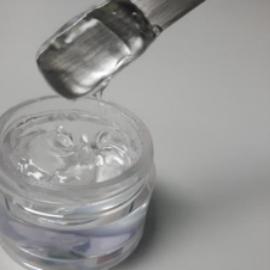
potting material or gel
insulation layer
integrated hydrogen getter
This approach combines the advantages of classic potting-grade silicone elastomers—such as high volume resistivity and excellent resistance to moisture and heat—with the added safety of hydrogen scavenging.
4.2 Battery Packs and Fuel-Cell Systems
In battery enclosures, connection chambers, and vent channels, strips or pads made from vinyl silicone composites can:
help control local hydrogen concentration during abnormal events
provide sealing and cushioning as silicone gaskets or rings
withstand repeated charge–discharge temperature cycles without losing hardness or elasticity
4.3 Nuclear and High-Radiation Equipment
In nuclear fuel assemblies, waste packages, and radiation-exposed systems, vinyl polysiloxane getters can be embedded into gaps or around critical components to deliver passive hydrogen mitigation over long service lifetimes, where their heat-resistant properties and weather resistance are especially valuable.
4.4 Special Storage and Transport Containers
For hazardous chemicals or metal hydrides that may release hydrogen during storage or transport, lining the container with vinyl silicone composites offers continuous hydrogen control without occupying significant volume, while also acting as a sealant layer against oil, moistur,e and corrosive gases.
In all of these areas, silicone raw-material suppliers can support customers by providing:
vinyl polysiloxane, methyl vinyl silicone, and vinyl silicone resins with different viscosities, vinyl contents, and hardness levels
matched catalyst and crosslink systems for liquid silicone rubber and high-consistency compounds
co-development of composite structures tailored to specific devices
technical assistance for system-level hydrogen safety evaluation
5. Vinyl Polysiloxane and Vinyl Silicone Composites as a New Class of Safety Functional Materials
As hydrogen risk management becomes more important, relying solely on traditional metal getters or small-molecule organics is no longer sufficient for applications demanding high safety, high reliability, and easy integration.
Vinyl polysiloxane and vinyl silicone composites, including systems based on methyl vinyl silicone, offer a new platform built on the proven strengths of silicone rubber:
tunable hydrogen-scavenging activity through vinyl groups
the heat, weather, and chemical resistance advantages of polysiloxane
structural, sealing, and damping functions enabled by elastomer, foam, and gasket morphologies
For silicone raw-material manufacturers, this is not only a new application field, but also an opportunity to upgrade conventional silicone sealants, gaskets, and potting compounds into a next-generation safety functional material platform.
6. Why choose methyl vinyl silicone?
By collaborating with customers in electronics, battery technology, construction, and the nuclear industry, vinyl polysiloxane hydrogen getter solutions can play an increasingly important role in future hydrogen-safety strategies and in the broader world of advanced silicone rubber materials.
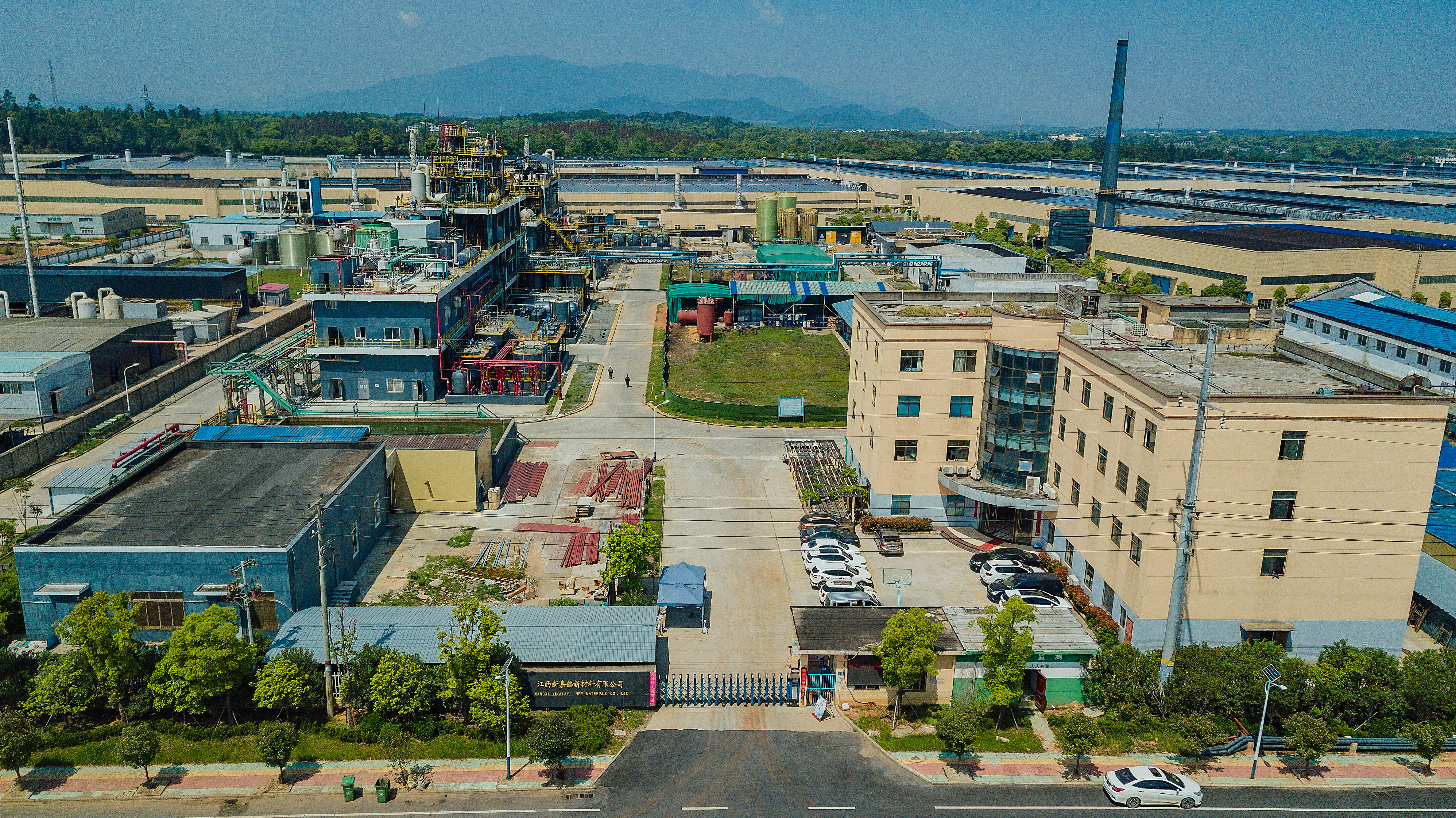
XJY Silicones is one of the leading silicone MQ resin and VMQ silicone manufacturers in China, with more than 30 years of R&D and manufacturing experience in the silicone industry, as well as more than 15 related patents and technical support. Our silicone raw material products can meet the needs of the silicone cosmetics field and support the provision of diversified customized solutions.


_1-1.jpg)