 English
  Spanish
  French
  German
  Russian
  Japanese
  Korean
  Portuguese
 In the competitive industrial manufacturing and processing landscapes of Pressure Sensitive Adhesive (PSA) tapes and Pre-Coated Metals (PCM), achieving stable release force and superior formability are the primary R&D challenges. Silicone resins are critical components and materials in these adhesives and coatings. While traditional organic polymer coatings offer cost advantages, they often fall short under extreme conditions. This article explores how silicone modification technology addresses industry pain points such as migration, release force drift, and mechanical failure through “chemical customization.”
- The “Release Drift” Dilemma: Why Traditional Coatings Fail
- Precision Control: The Role of MQ Resins in Release Force Adjustment
- From Release to Protection: Silicone-Modified Polyesters in PCM
- Electronic-Grade Standards: Controlling Extractables
- Broad Versatility and Global Application
1. The “Release Drift” Dilemma: Why Traditional Coatings Fail
Many tape engineers struggle with a common issue: a product’s performance is perfectly suitable upon leaving the factory, but after a few months of storage or overseas transit (high heat and humidity), the release force increases significantly, causing the tape to “lock” or become unpeelable. In industrial settings, the stability of adhesive release is a key factor that must play a central role in long-term quality. This is especially true when working with sticky materials on various substrates, including paper substrates, film, or a specific paper liner.
Physical Blending vs. Chemical Crosslinking
Traditional organic release systems often rely on “physical blending,” where release agents, additives, or waxes are combined and migrate to the surface. However, this migration is bi-directional; over time, these molecules can be absorbed by the PSA, leading to a linear increase in peel force and poor release performance.
The Silicone Stability Revolution
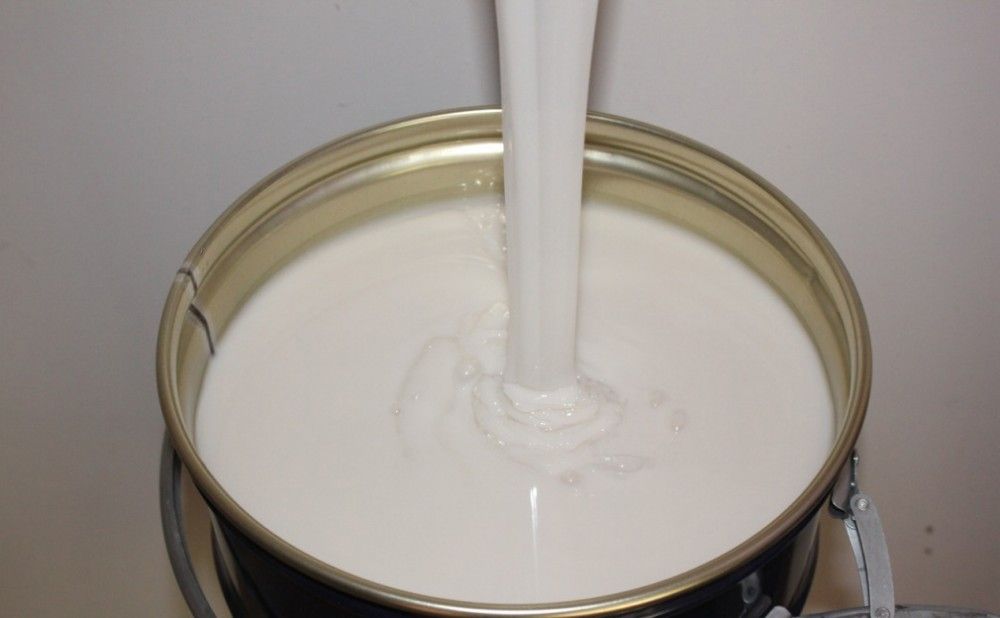
In contrast, 100% solids silicone systems create a stable 3D network through chemical crosslinking, anchoring the siloxane molecules to the substrate. This provides superior anchorage to the liner or film.
Zero Migration Risk: Silicone chains are chemically bonded, preventing them from migrating into the adhesive layer, making the adhesive release easier.
Weather Resistance: Even under RH conditions, silicone release provides minimal release force fluctuation.
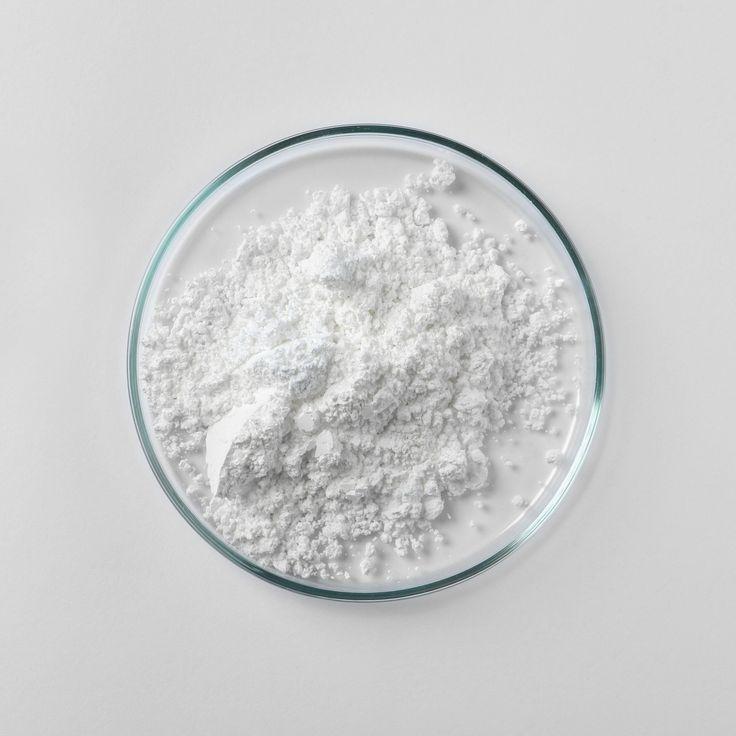
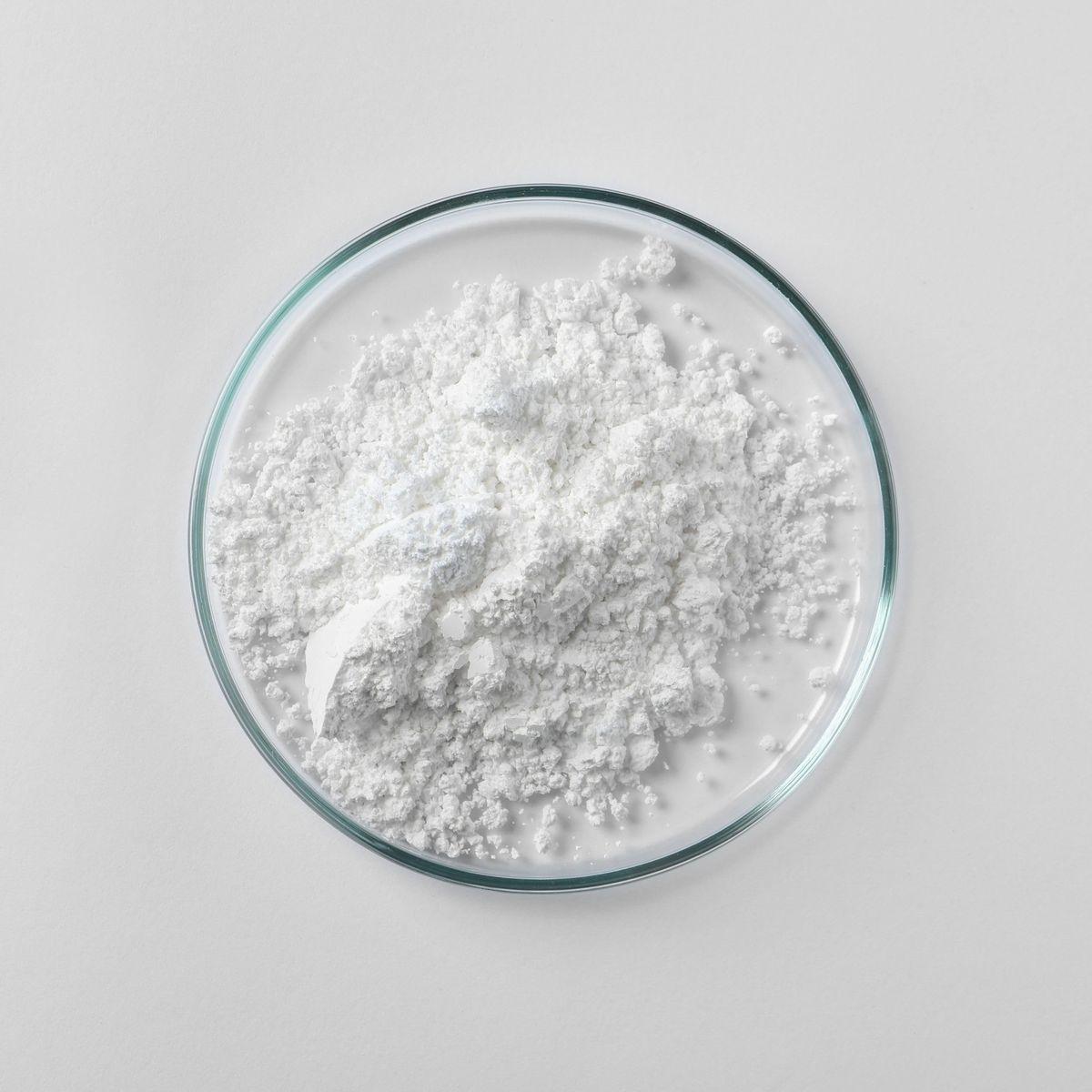
XJY-RATN / RA Silicone MQ Resin for release agent
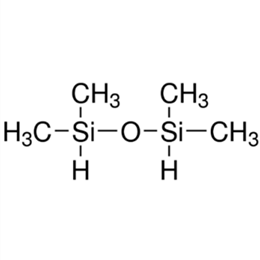
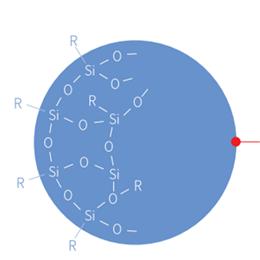
Methyl MQ resin is formed by polymerization of tetrafunctional siloxane (Q) and monofunctional methyl siloxane (M). It is widely used in the fields of personal care, adhesives, defoamers, waterproofing agents, etc., and has a good application effect in the fields of high temperature, semi-permanent, or permanent for the silicone release agent.

2. Precision Control: The Role of MQ Resins in Release Force Adjustment
As a manufacturer, we frequently receive requests for “tighter” or “heavier” release profiles to meet specific requirements and application needs. What used to require complex formula overhauls is now achieved through MQ Resins (Release Force Modifiers, or RFM). By precisely controlling the ratio of MQ resin within the Polydimethylsiloxane (PDMS) matrix, we can provide a range of tailored options:
Ultra-light Release: Ideal for high-speed automated peeling lines, reducing mechanical noise and “chatter.”
Controlled Heavy Release: Necessary for large-format labels or tapes requiring precise positioning to prevent accidental peeling during transport.
3. From Release to Protection: Silicone-Modified Polyesters in PCM
The benefits of silicone extend beyond “non-stick” properties to enhancing physical durability. In the Automotive Pre-Coated Metal (PCM) sector, clearcoats must balance cleanability with deep-drawing formability.
Improving Formability Coefficients
Research shows that incorporating long-chain silicone intermediates into polyester resins effectively lowers the storage modulus. When the formability coefficient exceeds 1, the coating can stretch synchronously with the metal substrate during deep drawing without cracking or delamination.
Surface Energy and Low Peel Strength
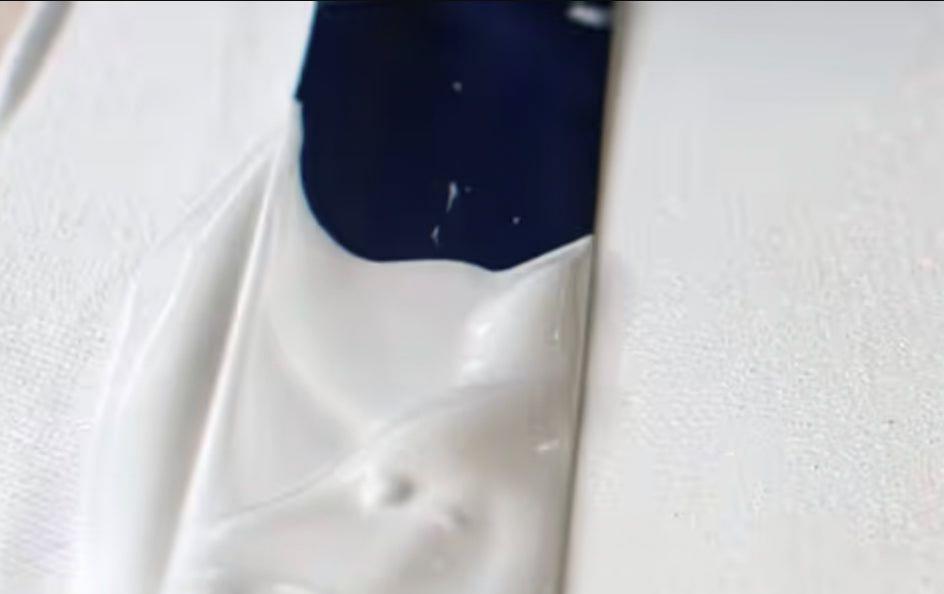
This provides a “semi-removable” characteristic and superior hydrophobic, anti-fouling performance for automotive surfaces.
4. Electronic-Grade Standards: Controlling Extractables
In electronics and precision optics, low contamination is a non-negotiable requirement. For high-volume production, achieving a fast cure at low temperatures is essential to keep the production line moving without damaging sensitive substrates.
Why Must Extractables Stay Below 2%?
An incomplete cure leaves unreacted monomers (extractables) on the surface. During electronic component assembly, these siloxane monomers can cause electrical contact failure or fogging on optical lenses. By selecting a high-efficiency catalyst and low-temperature-active agents, we ensure a long bath life for the coating mixture while maintaining high crosslinking density. Data shows that our silicone resins can maintain extractable levels below, ensuring high subsequent adhesion strength for downstream adhesives.
5. Broad Versatility and Global Application
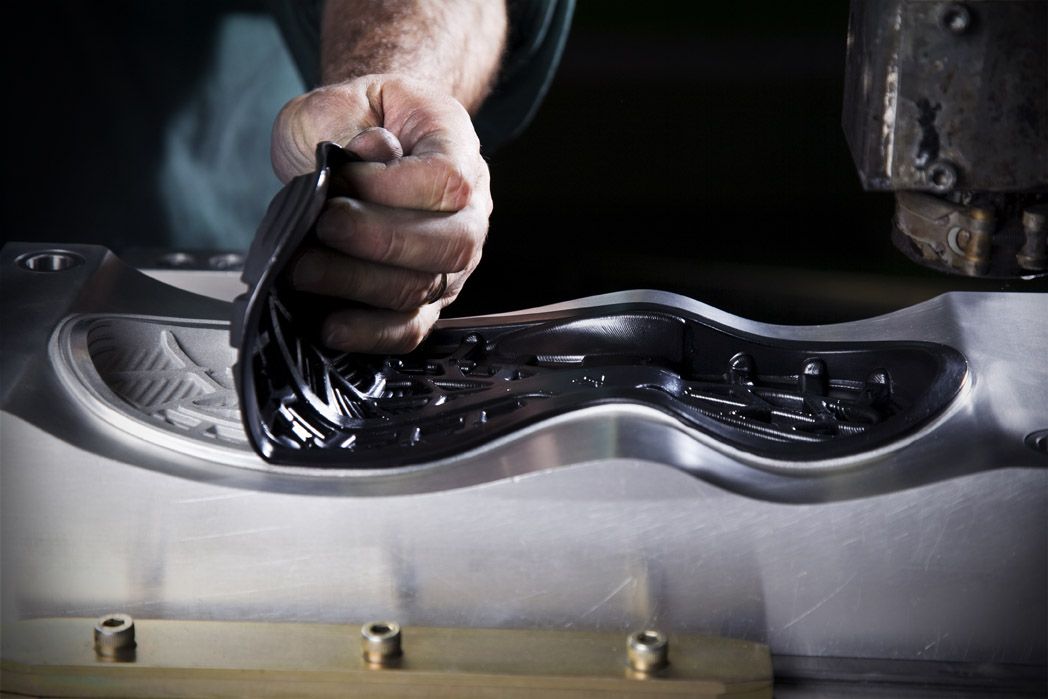
Our innovation in silicone release coating technology is widely applied across diverse sectors. In Europe and North America, the healthcare and medical sectors use our premium silicone for wound dressings, where gentle contact and consistent adhesion are vital. The versatility of our products—which includes solventless, solvent-based, and water-based solutions—makes them suitable for graphic arts, food-contact materials, and even molds for rubber or composites. Every page of our technical catalog reflects a new generation of silicone chemistry designed to be compatible with the most demanding industrial application.
6. How to make your product perform better?
Silicone technology is evolving from simple release to “functional integration.” Whether it’s replacing phosphate esters for better anchorage or modifying polyesters for enhanced formability, silicone resins offer unparalleled molecular flexibility. As your technical partner, we offer the assistance needed to select the right products that don’t just meet standards but lead the industry.
If you are facing challenges with release instability or substrate-specific coatings issues, contact our technical lab today. This page serves as your gateway to high-performance silicone release solutions. We offer:
- Release Force Decay Simulation
- Customized MQ Resin Formulations
- Low-Extractable Compliance Reports
- Expert assistance to select and use the right solution for your production needs.
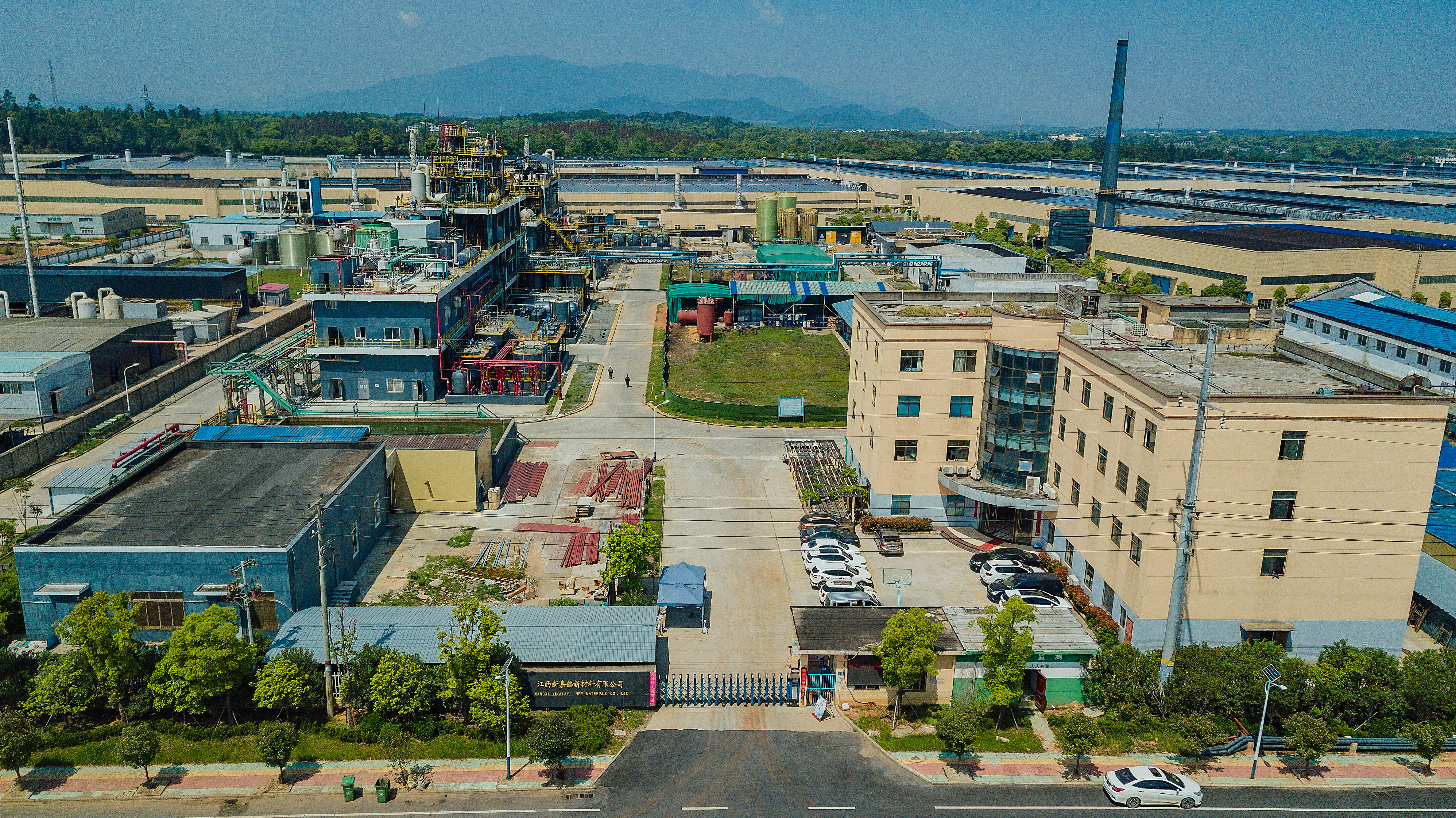
XJY Silicones is one of the leading silicone MQ resin and VMQ silicone manufacturers in China, with more than 30 years of R&D and manufacturing experience in the silicone industry, as well as more than 15 related patents and technical support. Our silicone raw material products can meet the needs of the silicone mold release field and support the provision of diversified customized solutions.