
 English
  Spanish
  French
  German
  Russian
  Japanese
  Korean
  Portuguese
 Foam formation is a persistent challenge in many industrial processes, particularly in aqueous systems where gas entrapment interferes with efficiency, product quality, and process stability. In industries ranging from water treatment and paper production to coatings, detergents, and metalworking fluids, uncontrolled foam can lead to surface defects, reduced throughput, and operational instability in storage containers, recovery tanks, and processing equipment.
To address these challenges, silicone defoamers and silicone antifoam agents have become essential additives. Compared with mineral oil or vegetable oil-based defoamers, silicone-based defoamers deliver consistently higher efficiency, broader applicability, and superior stability under demanding industrial conditions.
- Why use Silicone-Based Defoamers in Aqueous and Industrial Systems
- Performance Under High Temperatures and Demanding Applications
- Broad Industrial Applications and Positive Process Impact
- Silicone Defoamers vs. Other Defoamer Technologies
- A Versatile and Efficient Defoamer Range for Modern Industry
1. Why use Silicone-Based Defoamers in Aqueous and Industrial Systems?
Low Surface Tension and Foam Break
One of the defining characteristics of silicone oils and silicone compounds is their very low surface tension. This property allows silicone defoamers to spread rapidly across the foam lamella, penetrate bubble films, and promote immediate foam break. The low surface energy of silicones enables effective foam control even at very low addition levels, making them highly efficient antifoaming agents in liquid systems.
Unlike mineral oil-based defoamers, which rely on partial incompatibility, silicone defoamers function through a combination of hydrophobic particles, optimized chain length, and controlled viscosity, resulting in faster response and longer-lasting defoaming performance.
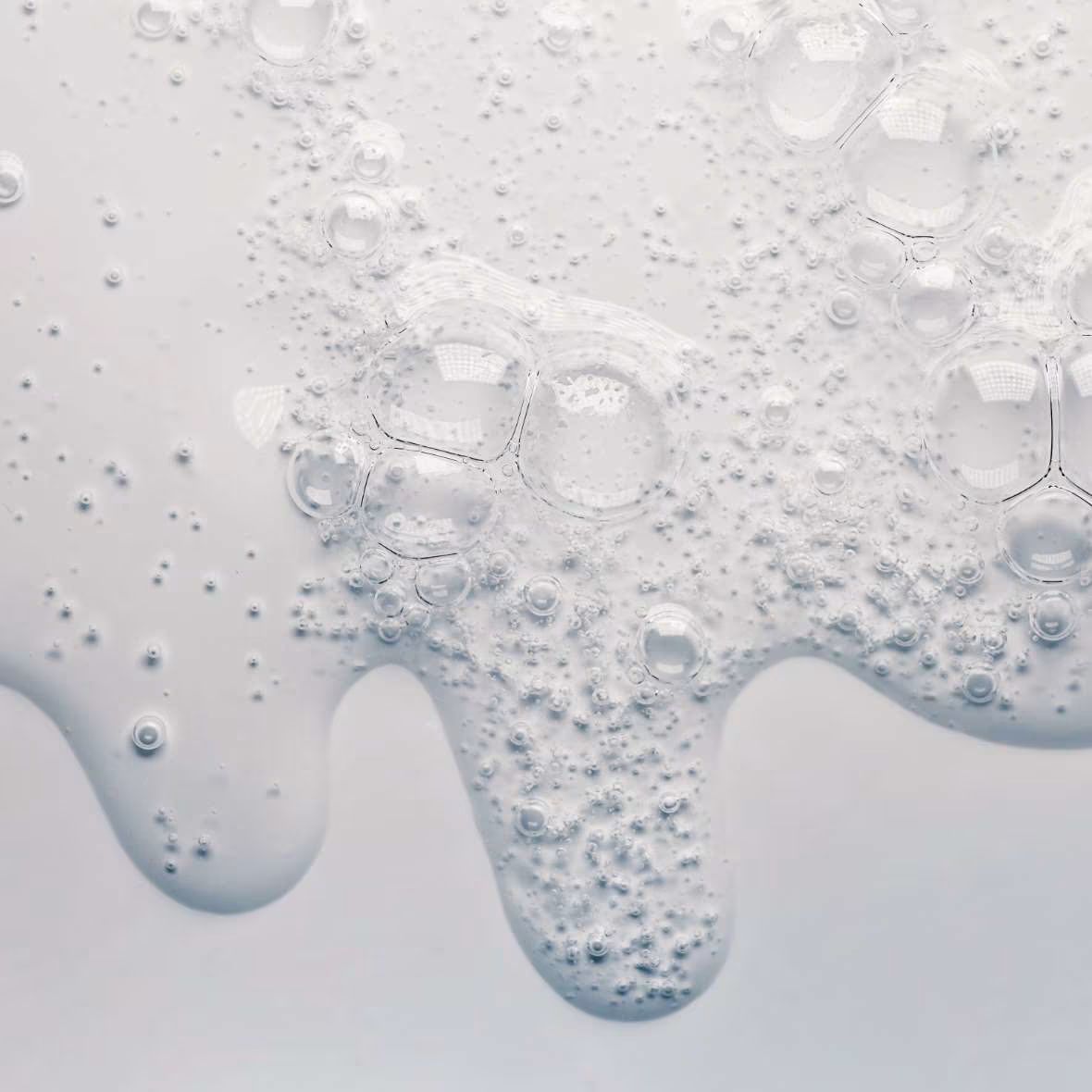
Silicone Emulsion Defoamers:
Easy Dispersion and System Compatibility
For water-based formulations, silicone emulsion defoamers are particularly suitable. These products consist of finely dispersed silicone oils or silicone polymers stabilized in an emulsion system, allowing them to be easily dispersed throughout aqueous media without phase separation.
Silicone emulsion defoamers are widely used in:
- Water treatment systems
- Paper and pulp processing
- Detergents and cleaning chemicals
- Textile processing
- Paints and coatings
Their ability to maintain uniform dispersion ensures stable foam control during long production cycles, storage, and transportation, while minimizing negative interactions with other additives.
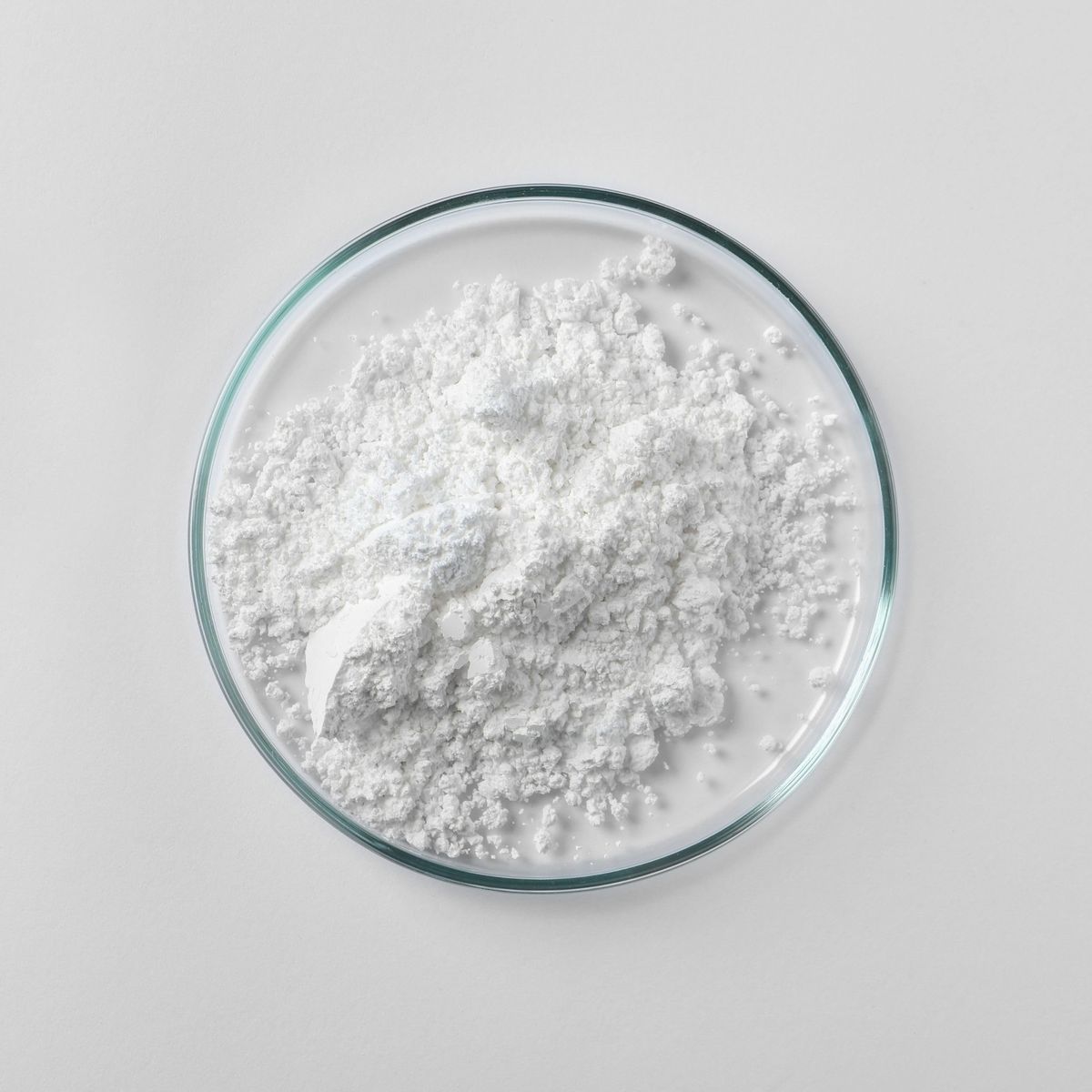
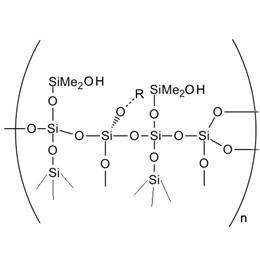
XJY-6010/XJY-6011 /XJY-6012 methyl MQ silicone resin for defoamer is a solid powdered resin. This resin can provide good defoaming, hydrophobic, and waterproof properties.

2. Performance Under High Temperatures and Demanding Applications
Many industrial environments operate under elevated temperatures, high shear forces, or chemically aggressive conditions. Silicones exhibit outstanding thermal stability due to the strength of the Si–O backbone, allowing silicone defoamers to remain effective at high temperatures where oil-based defoamers fail or degrade.
This makes silicone-based defoamers suitable for:
- Metalworking fluids
- Chemical reactors
- Recovery systems
- Vacuum motors (vac motor systems)
- High-speed industrial processes
Their stability contributes to consistent performance across a wide temperature range, reducing foam-related downtime and improving overall process efficiency.
3. Broad Industrial Applications and Positive Process Impact
Because of their unique combination of physical and chemical properties, silicone defoamers are used across many applications and industries, including:
The paper industry and pulp processing, where foam interferes with sheet formation and recovery efficiency
Water treatment plants, where foam accumulation disrupts aeration and clarification
Paints, coatings, and polymers, where foam leads to surface defects and reduced coating quality
Food processing, where controlled antifoaming performance is required without compromising product safety
Textiles and detergents, where stable foam control improves washing efficiency and final product quality
In each case, silicone defoamers deliver a positive impact by improving process control, protecting equipment, and enhancing end-product performance.

4. Silicone Defoamers vs. Other Defoamer Technologies
Compared with mineral oil or vegetable oil-based defoamers, silicone defoamers offer:
Higher efficiency at lower dosage
Better performance in aqueous and high-temperature systems
Improved stability during storage and processing
Reduced risk of residue buildup in containers and equipment
Although silicone defoamers may have a higher initial price, their superior performance and reduced consumption often result in a lower total cost of use, especially in large-scale industrial operations.

5. A Versatile and Efficient Defoamer Range for Modern Industry
The growing demand for reliable foam control across many industrial sectors continues to drive the adoption of silicone based defoamers. Their low surface tension, hydrophobic nature, excellent dispersion, and thermal stability make them one of the most efficient and widely used defoamer technologies available today.
Whether applied as silicone oils, silicone emulsions, or compound formulations containing silica particles, silicone defoamers provide a robust solution for foam control in liquids, polymers, coatings, and chemical systems. As industrial processes become more complex and performance requirements increase, silicone defoamers will remain a key additive supporting efficiency, quality, and process stability.
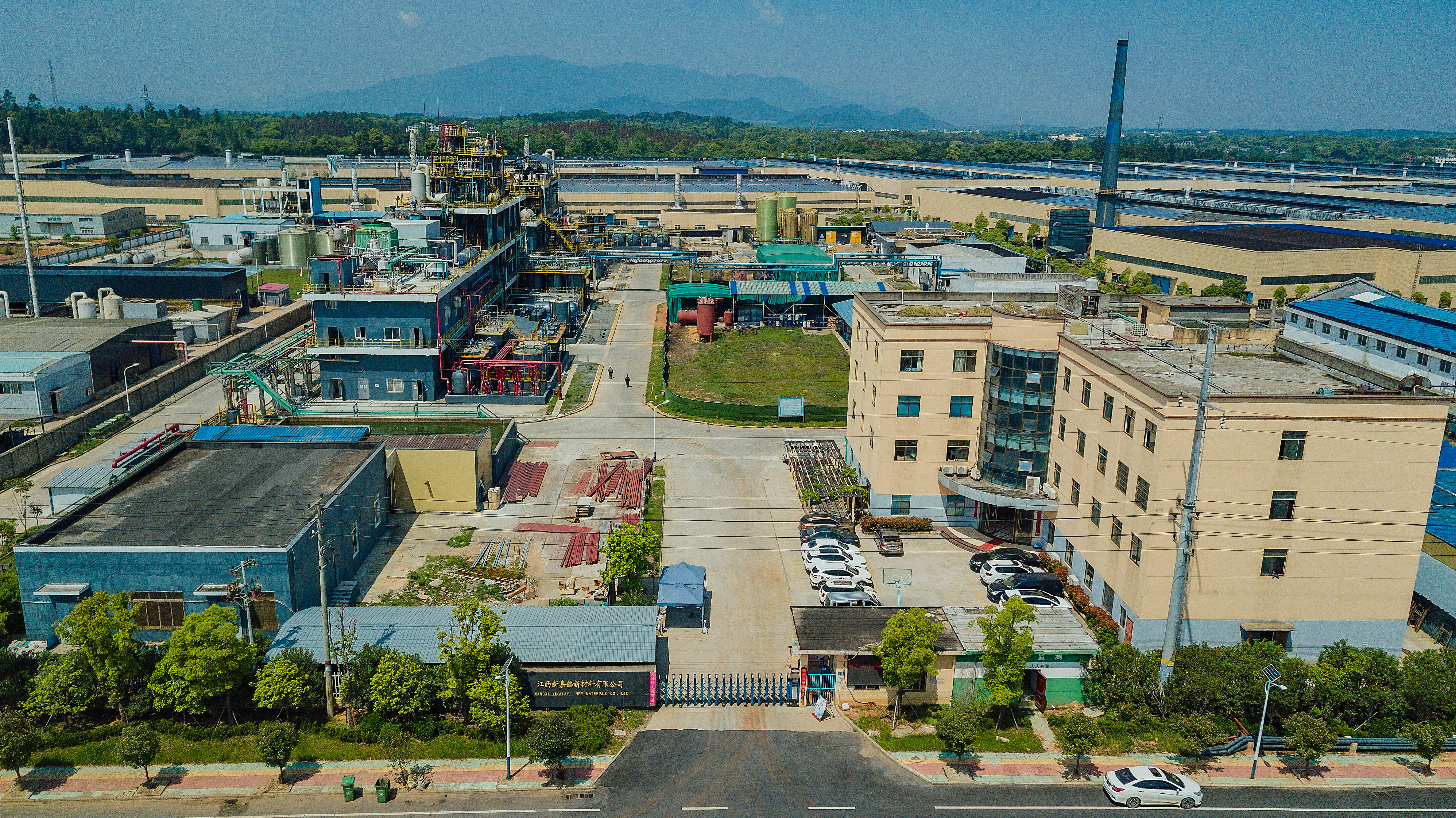
XJY Silicones is one of the leading silicone MQ resin and VMQ silicone manufacturers in China, with more than 30 years of R&D and manufacturing experience in the silicone industry, as well as more than 15 related patents and technical support. Our silicone raw material products can meet the needs of the silicone defoamer field and support the provision of diversified customized solutions.





_1-1.jpg)