 English
  Spanish
  French
  German
  Russian
  Japanese
  Korean
  Portuguese
 Silicones in cosmetics are a large family of inorganic–organic hybrid compounds. Their backbone is made of siloxane bonds (Si–O–Si), while the side chains carry organic groups such as methyl or phenyl. Chemically, silicon occurs in nature mainly as silica and silicates in sand and mineral rocks, but through modern chemistry, it is converted into cosmetic-grade silicone fluids and resins.
These synthetic ingredients are widely used in skin care products, hair products, and color cosmetics, because they offer a combination of:
- Excellent stability and resistance to heat, light, and oxygen
- Low surface tension helps formulas spread easily over the skin surface
- Good compatibility with many other ingredients, such as oils, waxes, and polymers
- A light, silky texture and softness that consumers associate with “long-lasting” comfort
This unique mix of properties is why silicones, and especially dimethicone and its derivatives, have become essential elements in many modern formulations.
- Main Types of Silicones Used on Skin and Hair
- Benefits and Properties of Human Skin
- Silicones in Hair Care Products
- Are Silicones Toxic? What Safety Data Say
- How to Identify Silicones on a Cosmetic Ingredients List
1. Main Types of Silicones Used on Skin and Hair
(1) Linear & Cyclic Fluids: Dimethicone and Cyclomethicones
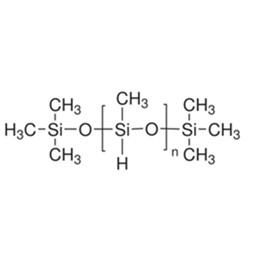
The workhorse of silicones in cosmetics is dimethicone, a linear polydimethylsiloxane. By changing chain length, chemists can adjust viscosity from very thin fluids to thick gels. Low-viscosity grades are often used in creams and lotions to improve spreadability and skin texture.
Cyclic silicones (cyclomethicones) are volatile. They evaporate after application, leaving human skin feeling smooth, dry, and less sticky. In shampoo, body wash, and color cosmetics, these fluids help distribute pigments and oils evenly before they flash off.

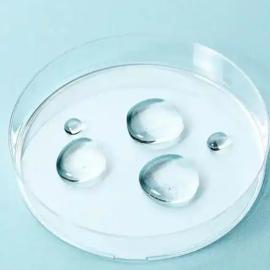
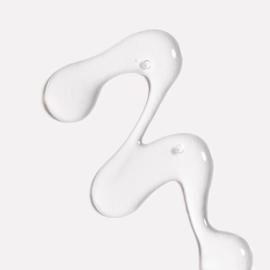
XJY-058 is a methyl-trimethyl-siloxane oligomer of MT structure, a non-cyclic, odorless liquid, colorless, and non-irritating with excellent volatility and spreadability. This silicone derivative is compatible with various cosmetic products and leaves the skin’s surface feeling soft. Its lightweight texture contributes refreshing, non-greasy skin feel. It is primarily utilized as a conditioning agent for cosmetic chemical formulas, as it improves the formulation and texture without leaving any long-lasting residue.

(2) Functional Derivatives and Silicone Emulsifiers
When extra groups such as amino, polyether, or hydroxyl are attached to the siloxane chain, silicones gain new functions:
Amodimethicone and related derivatives are common in hair conditioners and hair masks. They selectively deposit on damaged hair fibers, helping repair the appearance of split ends and improve shine and softness.
Silicone emulsifiers (such as PEG/PPG dimethicone copolyols) allow water, oils, and silicones to form stable creams and milky textures. They are key in many skin care products where water and oil phases must coexist.
Phenyl-containing fluids improve gloss and color intensity in color cosmetics, making foundation and lip products look smoother and more uniform.
These materials are carefully formulated with other cosmetic ingredients to create specific textures, from ultra-light serums to rich conditioners.
(3) Silicone Resins and MQ Structures
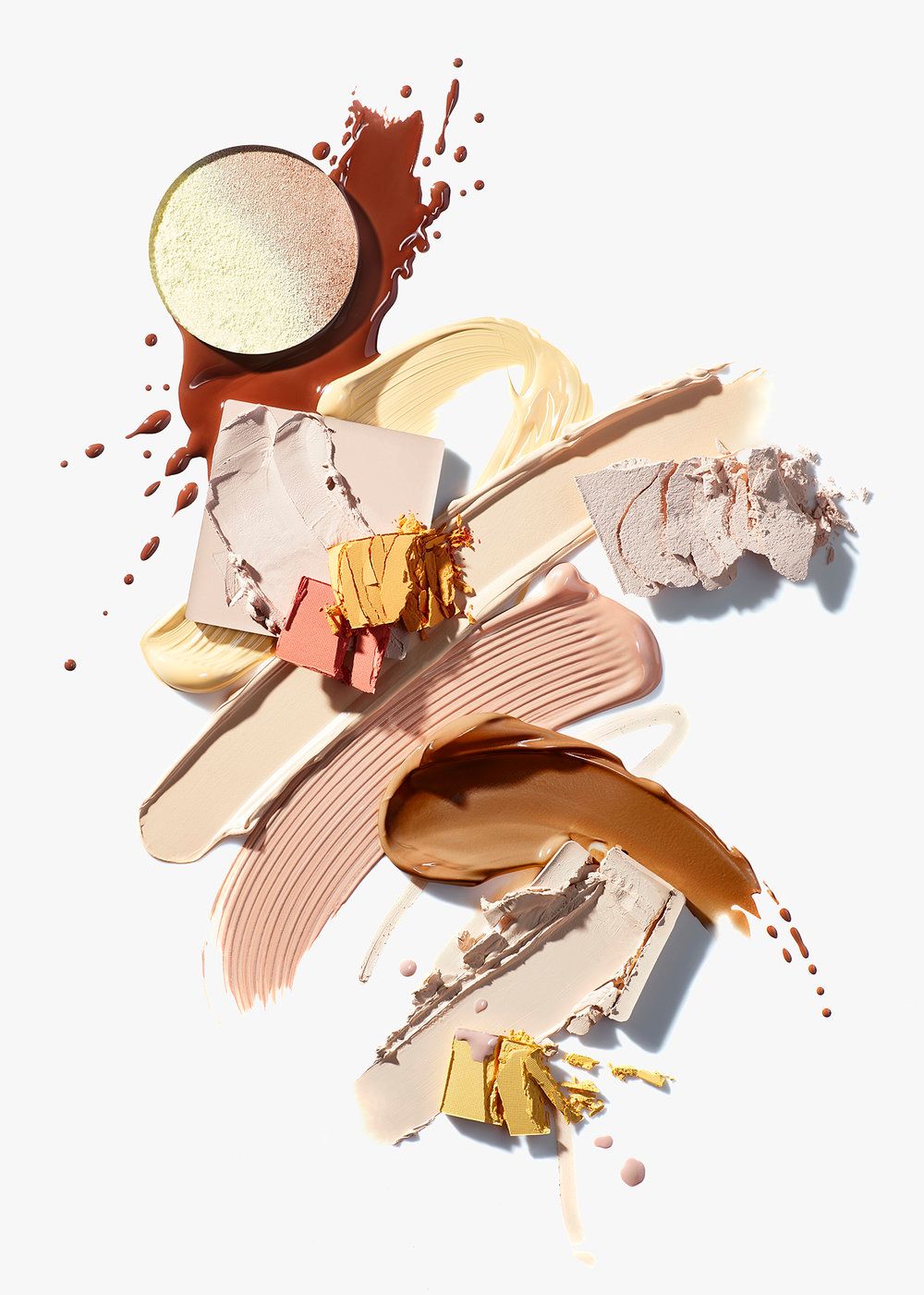
Silicone resins, especially MQ silicone resins, contain a more three-dimensional network of siloxane bonds. In color cosmetics, they act as film formers and help makeup stay in place:
They provide long-lasting wear and transfer resistance on the skin surface
They improve adherence of pigments, blurring small imperfections and fine lines
When combined with dimethicone fluids, they create flexible yet durable films
These resins are one reason why long-wear foundations and eyeliners can resist sweat and moisture without cracking.
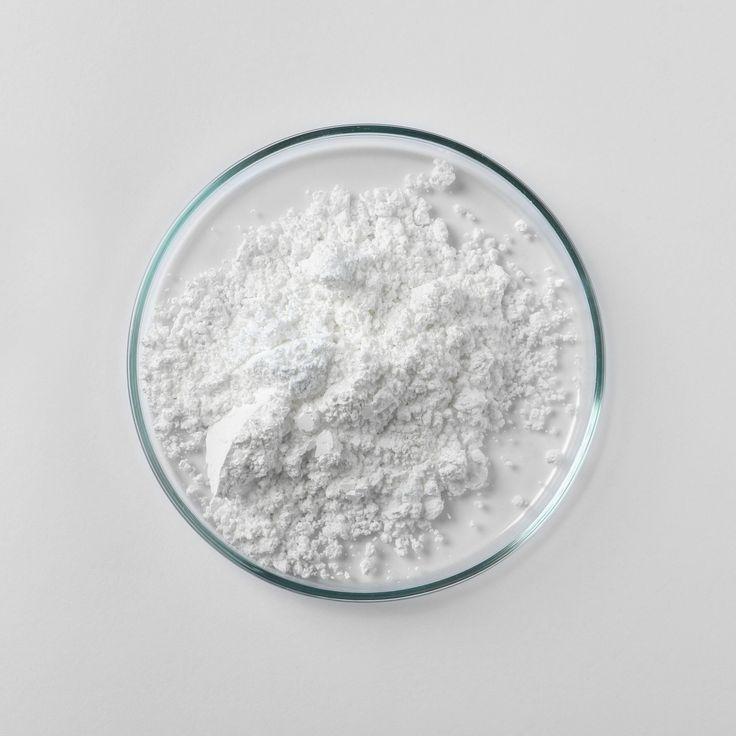
XJY-8203 / 8205 Trimethylsiloxysilicate is a siloxane polymer. Siloxane polymer is a polymer whose main chain structure is composed of alternating silicon atoms and oxygen atoms.

2. Benefits and Properties of Human Skin
On human skin, silicones can:
Create a very thin, breathable film that helps protect the barrier while reducing water loss
Smooth out rough texture, improving the visual appearance of lines and pores
Give a silky, non-greasy feel, especially in facial creams and body lotions
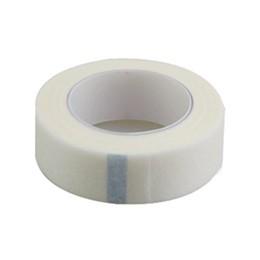
Because most cosmetic silicones are non-comedogenic at normal use levels, they do not clog pores for the majority of people. In fact, many dermatologists use silicone gels on wound and scar surfaces to help repair the skin and soften scar tissue. These wound-care products show how silicone films can interact with oxygen and moisture in a controlled way, balancing protection and breathability.
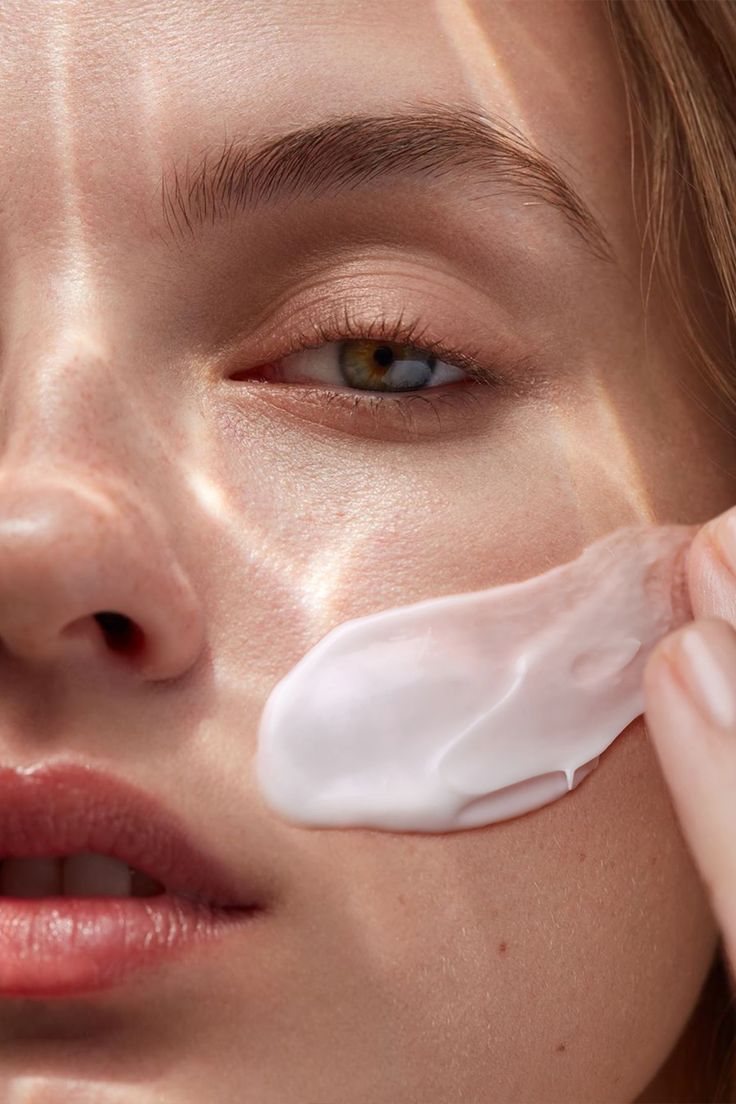
For people with acne-prone skin, the overall formula still matters: heavy oils, waxes, or drying alcohol can trigger breakouts even if the silicone itself is well tolerated. That is why any ingredient must be evaluated in the context of the full product and the dose used.
3. Silicones in Hair Care Products
In hair care products such as shampoo, conditioners, and hair masks, silicones play a central role:
Dimethicone and related derivatives coat the hair shaft, filling microscopic defects and enhancing shine, softness, and combability
They add slip so wet hair tangles less, reducing mechanical damage over time
Some amino-functional silicones show excellent resistance to rinse-off, so the conditioning effect lasts through several washes
For brands that market cruelty-free and vegan hair lines, silicones can be a useful alternative to some animal-derived conditioning agents, provided the overall formulations are designed with the environment and health in mind.
4. Are Silicones Toxic? What Safety Data Say
Silicones used as cosmetic ingredients are carefully evaluated for safety. Regulatory agencies and expert panels review data on irritation, sensitization, systemic exposure, and long-term toxicity:
Cosmetic-grade dimethicone and related compounds are generally regarded as hypoallergenic and low-irritant when used at typical levels in skin care products and hair conditioners.
Because they are chemically inert and largely unreactive in the body, they show very low toxicity in standard safety tests.
Therefore, when consumers see “silicones” or “silicon-based compounds” on an ingredients list, it does not automatically mean “toxic.” As with any ingredient, dose and formulation matter far more than the simple fact that it is synthetic rather than “from nature”.
At the same time, there is ongoing research into their environmental fate. Some volatile silicones accumulate in the environment, so many brands and suppliers now favor more stable, higher-molecular-weight grades, lower usage levels, and improved wastewater treatment to protect the earth and water systems.
5. How to Identify Silicones on a Cosmetic Ingredients List
Consumers who want to identify silicones in cosmetics can look for INCI names like:
Dimethicone, Amodimethicone, Cyclomethicone, Phenyl Trimethicone
Polysilicone-XX, Trimethylsiloxysilicate, MQ-type silicone resin names
“Siloxane” or “silicate” fragments indicating silicone derivatives
Seeing these names on a label is not automatically a reason to avoid the product. Instead, they signal that the formula uses silicone chemistry to achieve specific benefits such as slip, smooth texture, long-lasting wear, or damage repair on hair and skin.
For brands whose positioning favors “minimal” or “silicone-free” lines, formulators may choose to replace silicones with certain esters or natural oils. But they must then balance trade-offs in stability, feel, and performance, since not all organic alternatives can match silicone properties one-to-one.
6. How to make cosmetic products better?
Silicones are widely used in modern skin care products, hair care products, and color cosmetics because they offer a rare combination of stability, smooth feel, and performance:
They help control moisture loss without sealing the skin completely
They improve the look of lines and surface irregularities, making makeup and treatments appear more even
They contribute to the long-lasting, high-shine, and soft feel consumers expect from premium products
When used responsibly and at appropriate levels, silicones can act as reliable, science-backed tools alongside natural oils and botanical ingredients. For formulators and brands, the key is not to label silicones simply as “good” or “bad,” but to design formulations that combine their benefits with overall safety, environmental care, and the sensorial experience people love on their skin and hair.
XJY Silicones is one of the leading silicone MQ resin and VMQ silicone manufacturers in China, with more than 30 years of R&D and manufacturing experience in the silicone industry, as well as more than 15 related patents and technical support. Our silicone raw material products can meet the needs of the silicone cosmetics field and support the provision of diversified customized solutions.